September Farm Update

Hello friends!
What an exciting thing to be nearing the end of summer! Autumn ushers in a slower pace as we round off a busy spring and summer here at Harmony Farms. I’d really love to see you at my Small Farmer LIVESTREAM this month. It is a free event and I hope you will join me and farmers across the world as we talk about what’s happening on our farms!

The Good:
I was so thrilled with the results of the first Shepherdess Livestock Sale. It was such a pleasure to meet with buyers and send these lambs to their new homes. I am so grateful to each buyer who invested in my operation by purchasing my stock. Many are asking when my next Dorper lambs will be available for sale. March/April 2022 is the tentative date for pre-orders on my next lamb crop.
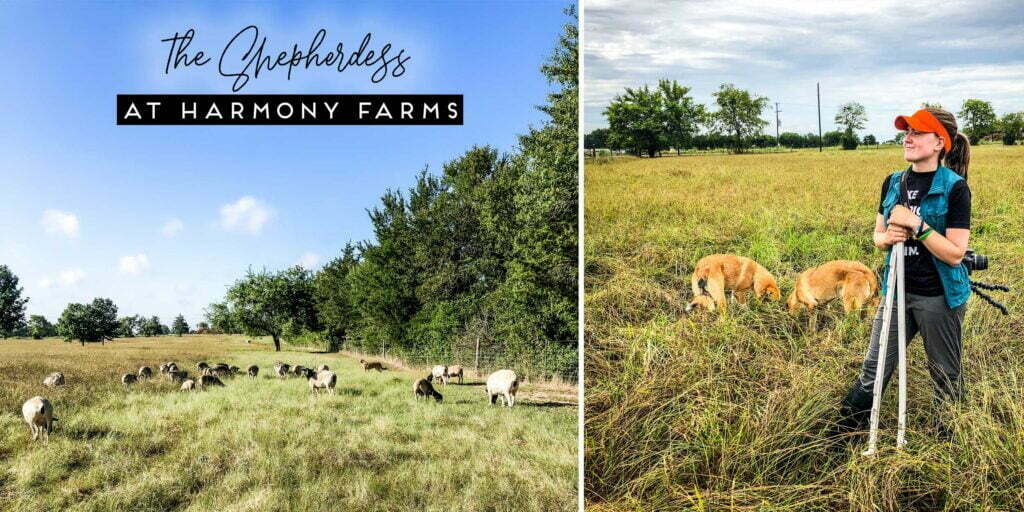
I slowed the rotation from once a day moves to once a week moves. The intense heat brings significant relief from one of my primary enemies in pasture: the barber pole worm. Hot and dry weather decreases the parasite load on pasture and allows me to slow my rotation without compromising animal health.

The Challenging:
Heat kicked in hard this August (heat index of 104+ for several weeks). I had to be extra vigilant to stay on top of hydration and electrolytes for the flock. A really helpful tool for that was Apple Cider Vinegar. I added about 1/2 cup per 40 gallons of water during a severe heat wave. The addition of ACV really increased the flock’s water consumption, which helped relieve much of the stress that the heat induced.
Thanks for reading this farm update! I really appreciate you being a part of what I am doing at Harmony Farms.
-the Shepherdess
“But those who wait on the Lord
Shall renew their strength;
They shall mount up with wings like eagles,
They shall run and not be weary,
They shall walk and not faint.” Isaiah 40:31
INCOME vs. EXPENSES on my Sheep Farm Startup
DISCLAIMER: This Small Farm Business article and video should not be used to replace legal or professional counsel. Use your brain, know your pocketbook, and make sure that at least one of the two has something in it at all times ;).
With the close of my first livestock sale, I have one full year of expenses and income under my belt. I am now ready to analyze profitability of my sheep farm. I have data from all 4 seasons, I have infrastructure costs, and now I have income from my first livestock sale. With the aforementioned, I have everything necessary to evaluate the profitability of my sheep farm.
The size of an operation has little or no connection to it’s overall profitability. In business the term “scaling” is used a lot. Scale is just another word for size. If you can be profitable on a small-scale, you can be profitable on a large-scale. If you cannot generate a profit on a small scale, you will not do so on a large scale.
The profit analysis I am getting ready to outlay is from my small-scale sheep farming operation. This season I had only 16 productive ewes. My ultimate goal is to have 80 productive ewes on my sheep farm.
It is critical that I evaluate the profitability of my farm at this 1/5 scale. If I can hone in on profit margins and streamline my costs I will have a solid foundation for moving forward.
I have a trademarked slogan for my farm business: Think big, start small, don’t quit. It really breaks down into a business formula: Set your large-scale goals, test it out it on the smallest scale possible, then put in the work necessary to grow that small success.
My 4-Step Process for Determining Profitability:
Here is how I analyzed my farm’s profitability in 4 steps:
Step 1: I took all of my expenses to date and split them into 7 major categories.
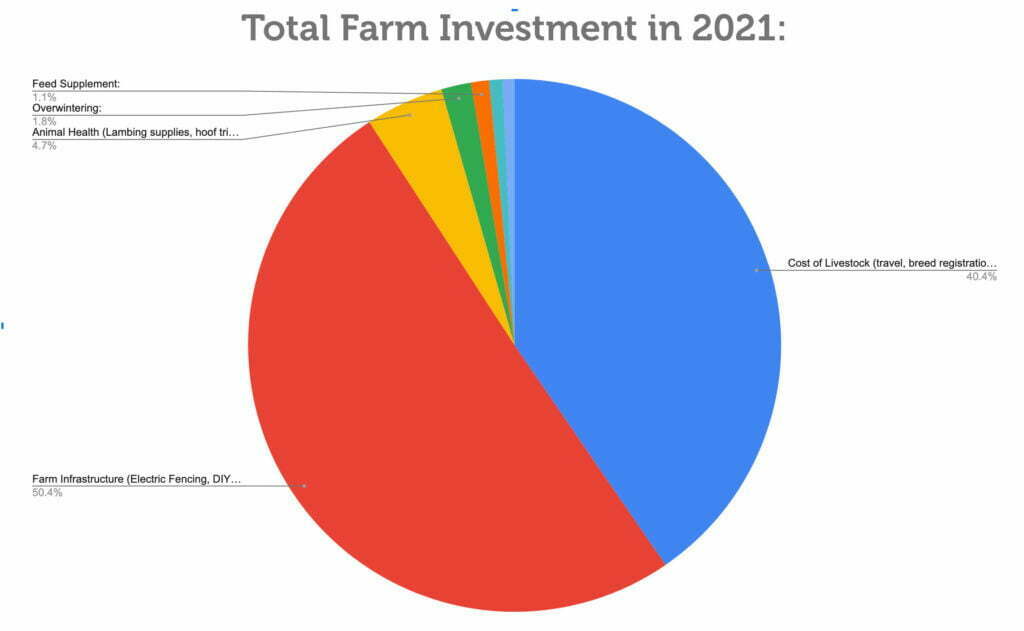
| Category: | Description: | % of total: |
| Farm Infrastructure | Compensation for sheep-specific the perimeter fencing (woven wire), Electric Fencing system, Sheep Chute, Sheep Trailer, Portable Troughs, etc | 50.40% |
| Cost of Livestock | Initial purchase of 25 ewes, sourcing and travel for a registered ram, a small set of registered ewes, and Dorper Sheep Breeder Society Membership and Registration. | 40.40% |
| Animal Health | Lambing Kit, Hoof trimmings supplies, dewormers, a setup for taking fecal egg counts at home, mineral boosters. | 4.70% |
| Overwintering: | Hay, Protein Supplement, Minerals | 1.80% |
| Feed Supplement: | Year Round Minerals | 1.10% |
| Books/education: | Grazing Management Books | 0.80% |
| Marketing: | Website Hosting for ShepherdessDorpers.com | 0.70% |
Step 2: I adjusted my cost sheet to reflect depreciating assets only, removing the cost of appreciating assets (livestock).
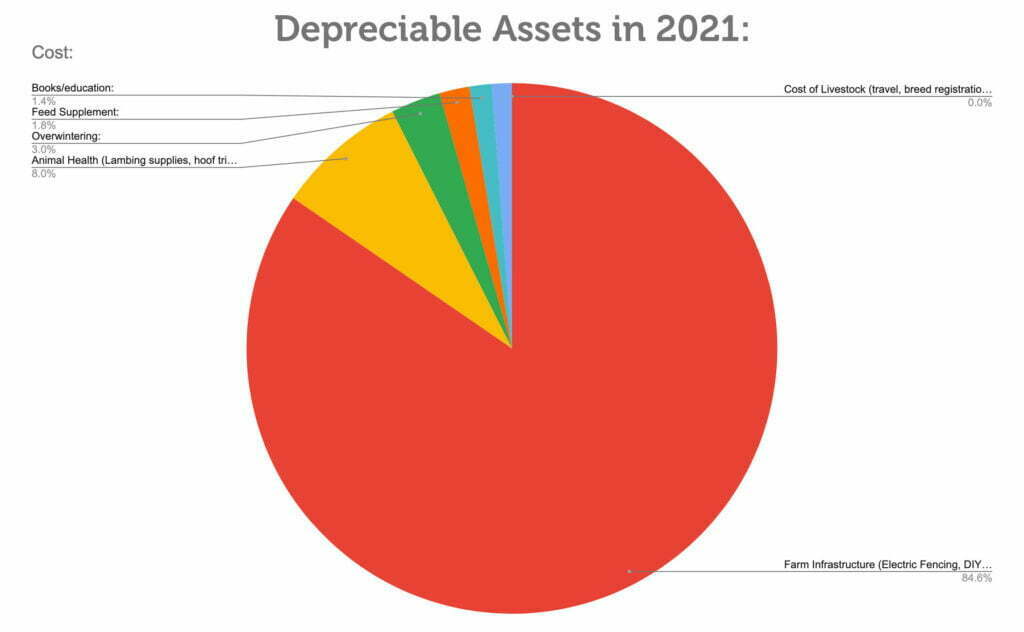
Depreciable assets are things that will decay over time. Whether it is in 1 year or 25 years, all of the things in my Farm Infrastructure category will have to be replaced at some point.
Appreciating assets are those that increase in value as you own them. My ewes are appreciating assets because they produce lambs every year. Unless I have a devastating predator attack or disease hit the flock (both of which are actual risks I pray against regularly [you can pray with me if you want… haha! But I’m serious.]), my flock should only grow.
If a ewe dies (or is culled) and the flock does not generate a replacement for her during lambing, I will list the initial cost of that ewe under expenses for that year.
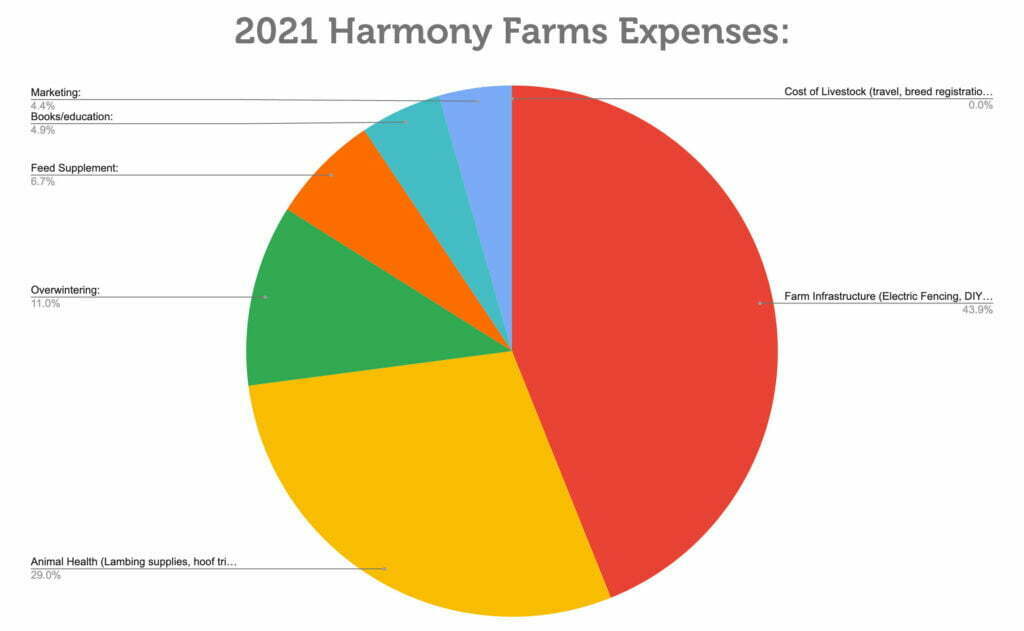
Step 3: I divided the cost of the Farm Infrastructure (depreciable assets) by 7, assuming that all of the farm infrastructure will decay within 7 years. This amount, plus the cost from all of my other categories amounts to the total expenses for 2021.
Step 4: Acknowledge the value of “reinvested capital gains” (for me: ewe lambs that increase flock size) and add this to the cash-revenues. I had a net increase of 7 ewes this season (I had 9 ewe lambs total, however 2 of my mature ewes died). I am working to grow my flock to 80-ewes. Instead of collecting cash on these lambs, I reinvested my “gains” back into the flock.
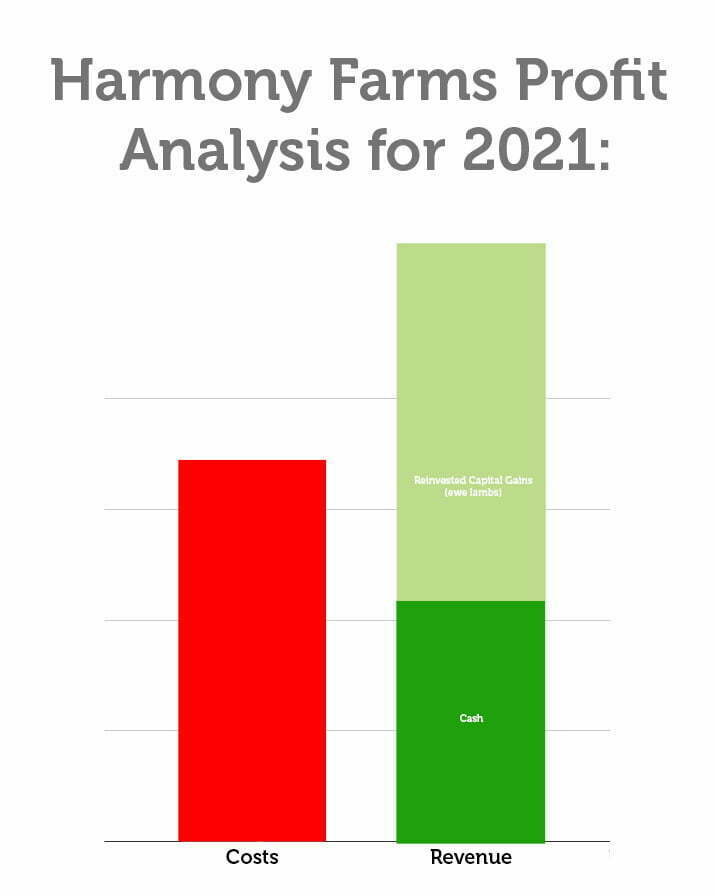
With the inclusion of my “reinvested capital gains” revenue from my sheep farm exceeded cost by 36% in 2021!
While this year technically involved shelling out 10x more cash than I received from my operation, there is significant profitability in my pasture based sheep farming model… if I can stick it out to the end of 7 years! 90.8% of the money I have spent will not have to be spent again and the remaining 9.2% are recurring costs that can be trimmed with experience.
This does not include the cost of my labor. This is an average of 12 hours per week and is a further investment in the farm.
Thanks for reading my 2021 Sheep Farm Business Profit Analysis. I look forward to seeing you in 2022!
-the Shepherdess
“I am the LORD your God, Who teaches you to profit, Who leads you by the way you should go.” Isaiah 48:17
SELLING MY FIRST DORPER LAMBS

3 CHALLENGES TO PASTURE BASED FARMING

How Rotational Grazing Saved me $200K
BEGINNER LEVEL: Electric Fencing System for Rotational Grazing Sheep
ValleyFarmSupply.com has a great selection of Gallagher solar chargers and electric tape!
Shopping List of the supplies needed to rotational graze sheep:
For Perimeter Fencing (you can bypass the perimeter fence if you buy the portable IntelliShock charger I mention below) :
- 12 gauge Aluminum High Tensile Wire (Gallagher)
- T-Post Insulator (Dare Products)
For Paddocks:
- 1/2″Gallagher Polytape.
- Simple plastic cord reel.
- Plastic Step-in posts.
- 2 Joule Solar Charger.
- Power Links (to carry the charge from one line to another).
I found most of these items at my local farm store, and you should be able to do the same! The only exception is the Solar Charger and the Power Links. In my first video I referenced a .25 joule Gallagher charger, but have since stopped using it. It did not have a big enough shock to keep my sheep contained long term.
I have had several people ask me about my Electric fencing system for rotational grazing sheep. What kind of charger do you use to power your electric fencing for sheep? What is the best portable electric fence for rotational grazing sheep? Should I use electric poly netting, poly-tape, or poly-braid for my sheep?
This post is dedicated to showing you both the electric fencing and portable charger system that I use to facilitate my rotational grazing program for for flock of Dorper Sheep. I move my sheep to fresh pasture quite frequently. My paddocks last 1 day or 1 week depending on the season. An easy to use fencing and charger system is key to this rotational grazing system.
3 primary considerations factor into the materials I chose for my sheep rotational grazing system: cost, ease of use, and containment rate. It is my goal to run this rotational grazing system for my sheep at as low a cost as possible. My fencing, charger, and grounding system for rotational grazing on 30 acres cost about $1500. This $1500 system could easily facilitate a grazing rotation for 80-100 sheep.
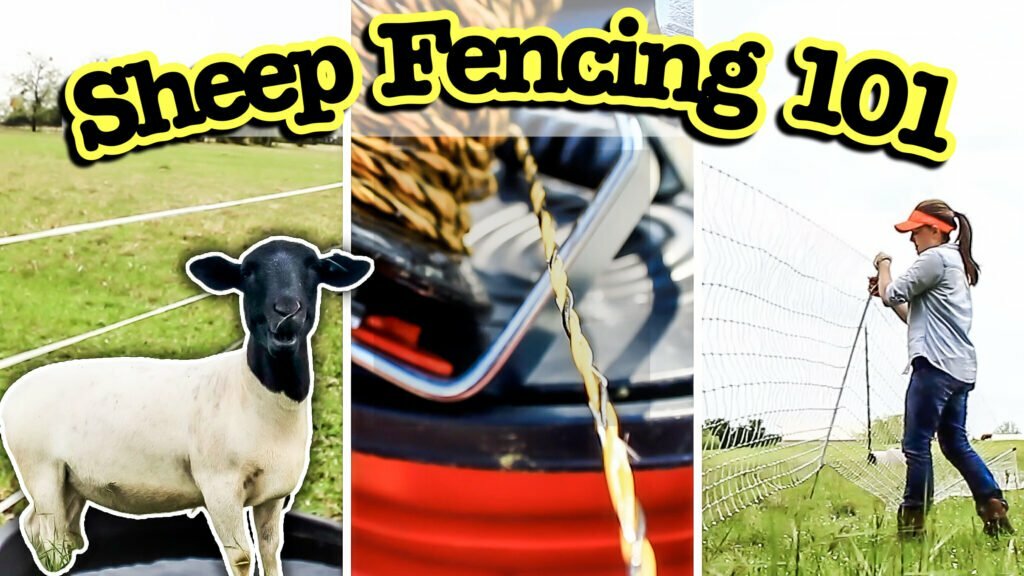
Because I am creating 150-200 temporary paddocks for my sheep every year ease of use is a big part of what fencing and charger system I chose. It is my goal to perform all of the tasks associated with rotational grazing my sheep within 45 minutes-1hour.
Finally, because sheep are notorious escape artists, containment rate is a huge consideration for my rotational grazing system. To avoid wasted time (which is really an economic liability in any farming operation) I try to keep my containment rate at 90% or better for my flock. I give some allowance due to the nature of sheep, but I try to amend any gaps in my system that might make way for more escapes than necessary.
I do not cull escape artists. While some farmers may disagree, my philosophy is that if a sheep is highly productive and genetically fit, it is not a wise decision to cull it for escaping the paddock. Sheep are sheep, and escaping is part of their nature. I believe our fencing systems can do up to 90% of the job for us, but the end of the day we are shepherds.
Here are the rotational grazing supplies that work best for me on my sheep farm.
Perimeter Fencing:
When we bought this farm the 30 acres was already cross-fenced into 3 different pastures. Once we bought our sheep we added a welded wire to the existing 5 strand barbed wire fence. This perimeter fencing is a great asset and really simplifies my rotational grazing for sheep. If I did not have this perimeter fencing I would likely use a lot more poly netting to keep my sheep contained.
On each of the cross fenced pastures I have put one hot line of Gallagher 12 gauge Aluminum High Tensile Wire. I plug my charger straight into this main wire, then link the charge to my polytape paddocks using Power Links from Premier 1 Supplies.
Portable Electric Fencing for Creating Grazing Paddocks:
My portable electric fencing of choice is 5/8″ poly tape. The electric poly tape I use for my paddocks is about 5/8″ wide and provides 5x more visibility than poly braid. What’s more is that poly tape is much easier to use than poly netting. I will use 2 strands of this poly tape to create my paddocks. One row is strung about 6″ off the ground (too low to sneak under) and the second row is 24-28″ off the ground (too high to easily jump over).
All that said, I do occasionally use the electric poly netting to create paddocks for my sheep rotational grazing system. I will use this netting during lambing season when the lambs are small enough to sneak under the tape. The poly netting also serves as an extra layer of predator protection when the tiny lambs are on pasture. A final reason I use electric netting is to keep our field dogs with the flock when paddocking them in remote pastures (our guardian dogs are not bonded to the flock and will stray from them if not contained).
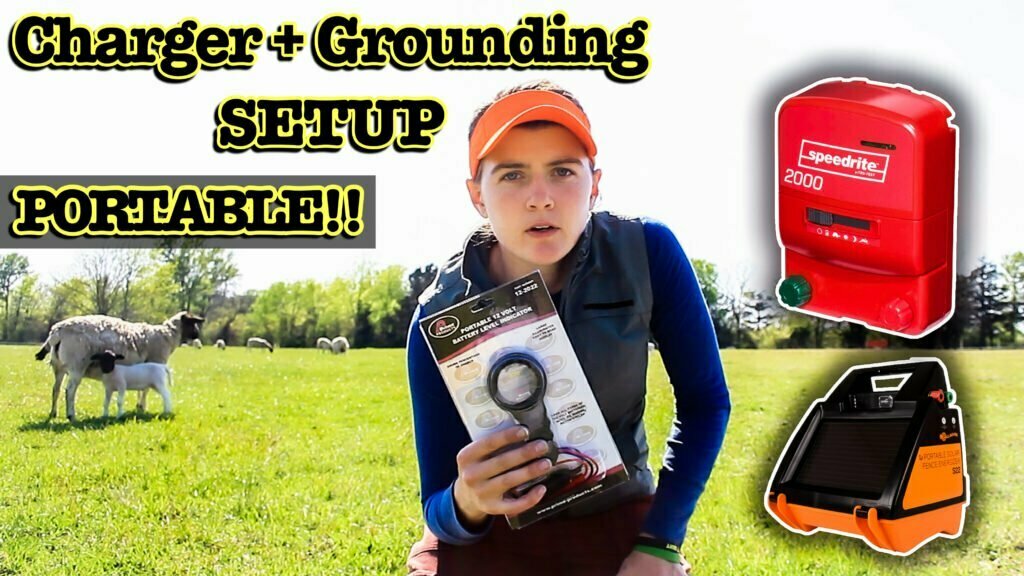
Electric Fence Charger:
I currently use a 2 Joule Charger with leads for a 12V Battery. This charger powers my 30 acre system quite well. It provides a consistent 8KV+ charge on my fencing. I initially started my rotational grazing system with a .22 joule solar charger, but this charger is really not powerful enough to contain sheep for the long term.
I power my fencing with a 12V Marine Deep Cycle battery. This allows me to carry my power with me not matter how remote the pasture. This will also allow me to quickly and easily setup my rotational grazing system on lease land, should my farm ever grow to that point. I have two 12V batteries. This allows me to switch out when my battery needs to be recharged. I recharge my batteries with an autom
Grounding System:
I created a grounding system using 6 ft copper ground rods. I have around 15 ground rods on my 30 acres. To provide optimal shock, I make sure to sink three of these ground rods 10ft apart.
Accessories:
There are a few simple accessories in my rotational grazing system that I have yet to mention. I use insulated handles to latch the electric fencing onto my perimeter fencing. I use simple plastic reels to hold my poly tape (a geared reel may work better, but geared reels cost $70-100 each vs. $10 for a plastic reel). I also use the inexpensive white step in posts from my local hardware store ($1.50 each). I have tried the expensive ($5 each) O’Brien posts and did not like them as well as the $1.50 posts.
I think that is about it! I hope this detailed post on my electric fencing system for sheep has helped you! 95% of what I use can be sourced at your local hardware store. While you want to fix your system for a containment rate of 90% or more, don’t be discouraged if a sheep occasionally makes an escape. It is called shepherding for a reason!
-the Shepherdess
“All we like sheep have gone astray; We have turned, every one, to his own way; And the LORD has laid on Him the iniquity of us all.” Isaiah 53:6
Shepherdess Dorper Ram Lamb Preview
Tue, Aug 10 at 7:45 AM
The Shepherdess Dorpers Ram and Whether sale goes live TOMORROW at 8AM CST!! All purchases will take place at ShepherdessDorpers.com and pickup will be arranged after the sale.
I was asked to describe the traits that put these rams at the top of my flock, so here they are!
Each Ram lamb has a tag # and you will have the opportunity to buy the specific rams described below! First come, first served. No reserves.
2111: From the moment of birth this ram lamb has displayed an ideal build and stellar rate of growth. He was the largest lamb at weaning and has the nickname “mammoth” on pasture. His mom is probably the strongest ewe in my flock, maintaining excellent condition clear up to weaning.
2110: This ram lamb falls in close behind mammoth: he has displayed excellent rate of growth from the beginning. This ram is almost an exact replica of my commercial flock sire: strong build and excellent markings. His mom is extremely productive, lambing at just one year old and maintaining incredible body condition clear up to weaning.
1824-RL: In addition to excellent rate of growth, this ram lamb is the offspring of my most parasite resistant ewe. This ewe has produced offspring that consistently makes it through inspection with outstanding scores on the FAMACHA scale. This parasite resistance is an incredible trait to carry into your flock.
2109: This Ram lamb is the offspring of one of my most resilient ewes. She is highly productive, dropping twins unassisted at nearly every lambing. She has been with the flock since 2018 and is a total veteran on pasture! This ram’s mom has more color on her body than my other ewes. This is purely cosmetic and does not effect the productivity of the animal, but I wanted to list this in case a pure white body is high on your priority list.
1904-RL: This ram lamb is out of one of my favorite ewes: She is highly productive and my best shedder, dropping 100% of her coat before any of my other ewes. She lambed twins effortlessly on her first lambing. She has perfect markings with a pure white body and jet black head. I call her my “show sheep” and you will see her in most of my youtube thumbnails and profile pictures.
Looking forward to tomorrow!
-the Shepherdess
”So then neither he who plants is anything, nor he who waters, but God who gives the increase.” 1 Corinthians 3:6
🎉DETAILS ARE HERE!!!
Save the date for August 11th and 8AM CST!! I will be selling 10 head of Dorper Sheep from my Flock. Details are explained in the video above and more can be found HERE AT ShepherdessDorpers.com! If you have any questions, please email me at shepherdess(at)harmonyfarms.blog .
**Please note, the buy button will be viewable on August 11th at 8 AM CST. First come first served, no reserves. Thank you all very much!
-the Shepherdess

“Know ye that the Lord he is God: it is he that hath made us, and not we ourselves; we are his people, and the sheep of his pasture. ” Psalm 100:3
QUICK TOUR of my Rotational Grazing System for Sheep (Small Scale)
Beginner Guide to Buying Sheep
Register for Small Farmer Virtual Meetup
I recently came off of a flock expansion project here at Harmony Farms. I brought back a registered full-blood Dorper Ram as well as a selection of registered full-blood ewes. Since announcing this expansion project I have been asked if I would explain the process of sourcing livestock from a beginner perspective. This post is going to outline my process in 3 sections: what to avoid, what to ask before buying, and how to handle the new animals once they are back to your farm.
First and foremost: know your seller and their operation. When you are buying in livestock, you are not only bringing a new animal to your farm, you are bringing in the system it was raised on. I know this from both good and bad experience.
I bought from various sources in this expansion project. One of these sources was very bad. It was a “$ Great Deal $” on a registered ewe. Once I was onsite I became aware that this sheep was raised in confinement and had eaten nothing but corn and molasses it’s whole life. Bringing this animal home was a decision I am not proud of. Long story short, the animal came back and showed almost immediate signs of infection in her udders. Once I paid for vet bills, antibiotics, and extended quarantine procedures I ended up with a sheep that cost me 3 times it’s initial purchase price. This “$Great deal$” is now on the cull list because her udders are so badly damaged by mastitis that I doubt she is capable of feeding offspring. Long story short: beware of a “great deal”.
On the flip side, I paid premium for sheep from a beautiful grass-based system. I brought the sheep home and they integrated seamlessly into my grass-based operation with no hassle. Worth every penny of the premium price.
What to avoid when buying sheep:
Avoid sale barns as a first time buyer. Farmers and ranchers often use sale barns to liquidate cull-animals. Unless you have a highly experienced eye, you may end up buying diseased livestock. Furthermore, when buying at a sale barn you have little to no connection with how the animal was raised. When you bring an animal back to your farm, you bring it’s previous system with it. BEWARE!!
Avoid confinement sheep. There are specific respiratory and arterial diseases (namely, Ovine Progressive Pneumonia) that thrive in the sheep’s system when raised without access to fresh air and good pasture. Sheep (and pretty much every other livestock) were designed to eat grass, not corn and molasses. If you buy a sheep from a shed, you will probably encounter problems (see my story above).
What to ask before buying:
Congrats! You found what a appears to be a good operation to buy sheep from! Here are some of the questions that I found important when I was buying sheep. Be sure to ask a million questions. Half of them will be things you need to know, the other half will be used to gauge the sellers honesty and transparency. If a breeder is reluctant to answer your questions, give the operation a red flag.
What do you feed this sheep (both during the growing season and over-winter)? This is a pretty base level question, but it will immediately tell you A LOT. Most breeders supplement overwinter, but if you are a grass-based farm you want to bring back an animal that is accustomed to a grass based diet.
What kind of vaccinations did these sheep receive? There are a lot of differing opinions on vaccines in animals. Regardless of your opinion, you need to know whether the animal you are buying has had vaccinations. Some vaccines require annual boosters so you will need to decide whether you are ready to undertake that regimen.
At this point in time, I do not run regular vaccinations on my flock. However, I am in favor of vaccinations for breeding animals. This discussion is for another time, but it is important to know the vaccination record of the animal you are buying.
How do you manage parasites in these sheep? It is very important to maintain the parasite management strategy of the previous owner. Only change the previous parasite management strategy once you have developed a strategy that has proven effective in the animal. Neglecting the maintenance of the breeder’s parasite management will put your sheep at serious risk.
Do you run hoof care? There are a lot of differing opinions in the sheep hoof care arena; but I want to buy a sheep that has it’s hooves maintained. In my opinion, if you do not run regular, preventative maintenance a sheep’s hoof you are asking for trouble. I’ll leave it there with my opinion and let you do your own research on hoof care.
What to do when you bring the sheep back to your farm?
It is advisable to quarantine new animals for 10 days to 8 weeks. The less you know about the source the longer you ought to quarantine the sheep. This portion of my advice doubles back to knowing the operation. Chances are if you have purchased from a clean, reputable source you will not have problems; but if you have not a good quarantine could save your entire operation.
I designated a quarantine pasture for the new sheep. This quarantine pasture is actually my front yard. It is a portion of my acreage that is not in my regular grazing program. If there is any trouble or disease in the new livestock my main flock will have no opportunity to graze the ground they touched.
Watch the new animal like a hawk. Never ignore anything unusual when new livestock is involved. Keep your veterinarian clinic on speed dial.
In conclusion:
Depending on the size of your existing operation, buying in livestock can be one of the riskiest things a farmer or rancher can do. Avoid sale barns as a beginner, do not buy a sheep that have been in confinement, and ask a lot of questions.
While my first major livestock buy-in was not without faults (re: the “$good deal$”), the Lord lead me to some excellent sources and spared me from a lot of trouble. The flock at Harmony Farms is now closed and I will not have a need to bring in new livestock for the foreseeable future. I have 4 sets of Dorper Sheep genetics on the farm. With this genetic diversity, and some deliberate herd (or rather, flock) planning, I should have the capacity to build out some serious quality for generations to come.
-the Shepherdess at Harmony Farms
Hoof Care
Rotational Grazing Sheep on Small Acreage
May Farm Update
Hello Friends!
It’s time for a monthly Harmony Farms update! I have a lot of questions about breeding/live stock availability. I will have 10-12 head available for sale this August, Lord-willing. I have about 4 rams, 6 wethers, and possibly 2 ewes. I will be sending out more info as we approach the date, so please stay tuned!
Scroll to the bottom for a full list of the ONLINE EVENTS I am hosting this month! (Including a LIVE ONLINE EVENT WITH JOEL SALATIN!!!)
The good:
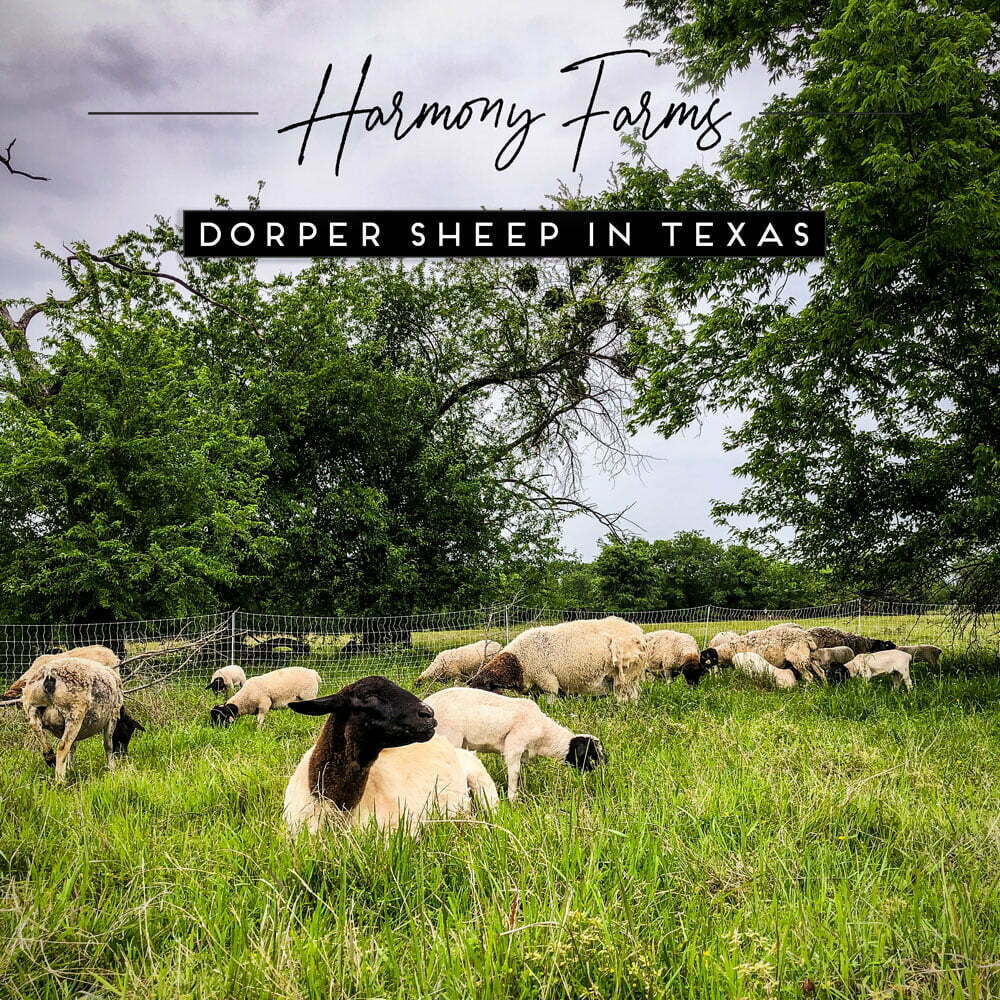
The grass is back! I am back to moving the flock once a day. I put a pause on this intensive grazing during lambing. Juggling both was edging me toward burnout. Now that lambing is over, I am moving daily. It feels so good to see the flock on a perpetual diet of fresh greens!
The challenging:
I put the HERD in Shepherdess this month. I waited too long to upgrade my charger system and the girls began to jump the line. I finally took a day off to update my fence charger, increasing the power on the line from .22 joules to 2 joules. I also improved my grounding system and all is well (and contained) on pasture! Sheep are smart, keep the lines hot.
Online events:
May 20th at 7 PM CST: Joel Salatin LIVE Q+A
May 27th, 7 PM CST: Small Farmer Virtual Meetup
May 28th 7pm CST: Farm on the Web Workshop (FARM-MERCH EDITION)
Thank you for reading my May farm update! Be sure to checkout my most recent videos.
-the Shepherdess at Harmony Farms
“Know that the Lord, He is God; It is He who has made us, and not we ourselves…” Psalm 100:3
Lambing Dorper Sheep in Texas
Caring for a Rejected and Weak Lamb
4 Marketing Tips for Farm Businesses
BACKYARD SHEEP | 28 SHEEP IN MY BACKYARD
I wouldn’t have believed you.
If you would have told me a year ago that I would the shepherdess of a flock I worked so hard to ignore, I would not have believed you.
For years I shoved off anything farm related, hoping if I ignored it long enough it would go away.
But last May I felt like the Lord was was leading me to use my gifts in management and marketing to produce a solution to the crisis that was unfolding in our nation. Grocery stores were empty. Millions of animals were being euthanized due to centralized processing closures. A food system that sustained 300+ million people was cracking in half.
So what do you do when you receive a wake up call?
I knew I didn’t want to go back to sleep. So I did the next thing: I looked out my window at 30 acres of grass and asked myself: how much food can I grow here?
And I started growing it… with no previous farming experience.
I hope people following my journey will do the same thing. Look at your resources, no matter how small, and ask yourself: “How can I be part of the solution?”.
For you, the answer may or may not be becoming a farmer. However, I believe the Lord has given everyone of us gifts and resources to steward; first for His glory, and second for the service of others.
Thank you for following this journey I am on. It’s all new to me, but His grace is sufficient… and I’m finding myself so very satisfied in a life that I tried to ignore for so long.
-the Shepherdess
“I can do all things through Christ who strengthens me.” Philippians 4:13
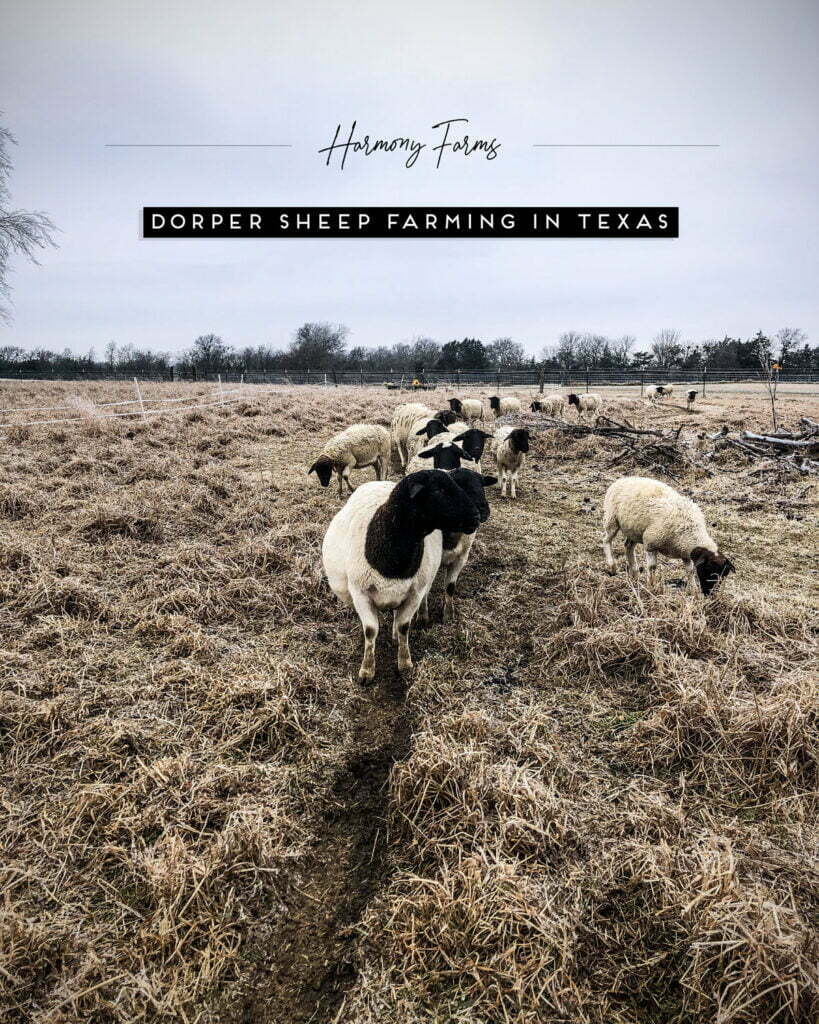
WHAT MY Dorper SHEEP EAT IN THE WINTER
As promised, here is a complete list of what my Dorper sheep eat in the winter. This is what I feed my sheep in the winter when I remove them from pasture and confine them to a winterized barn. I rarely have to confine my sheep. However, winter storm URI blew through and buried our pasture in 9″ of snow. For this reason, I pulled my Dorper sheep off pasture and fed them in a warm, shedded area for about a week.
Here is what I fed my 26 Dorper sheep every day while they were in their winter housing. This is a ration for my BREEDERS, not my eaters. Our beef and lamb for market is grass fed entirely. The pellets and grain I feed my breeder ewes disqualify them from a grass fed to finish program. This is fine because their purpose is to breed, not to be eaten.
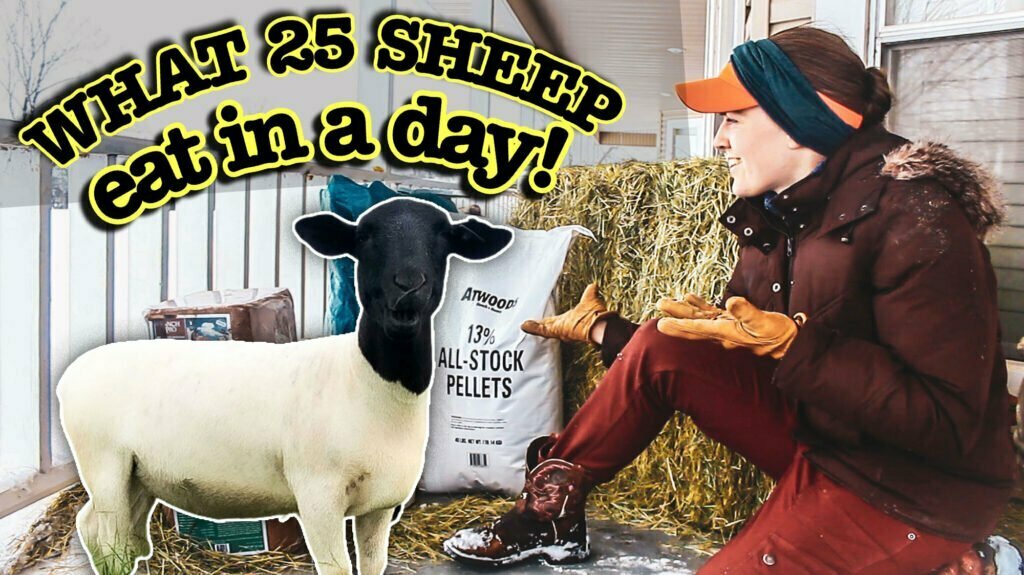
WHAT DO MY 25 SHEEP EAT IN A DAY?
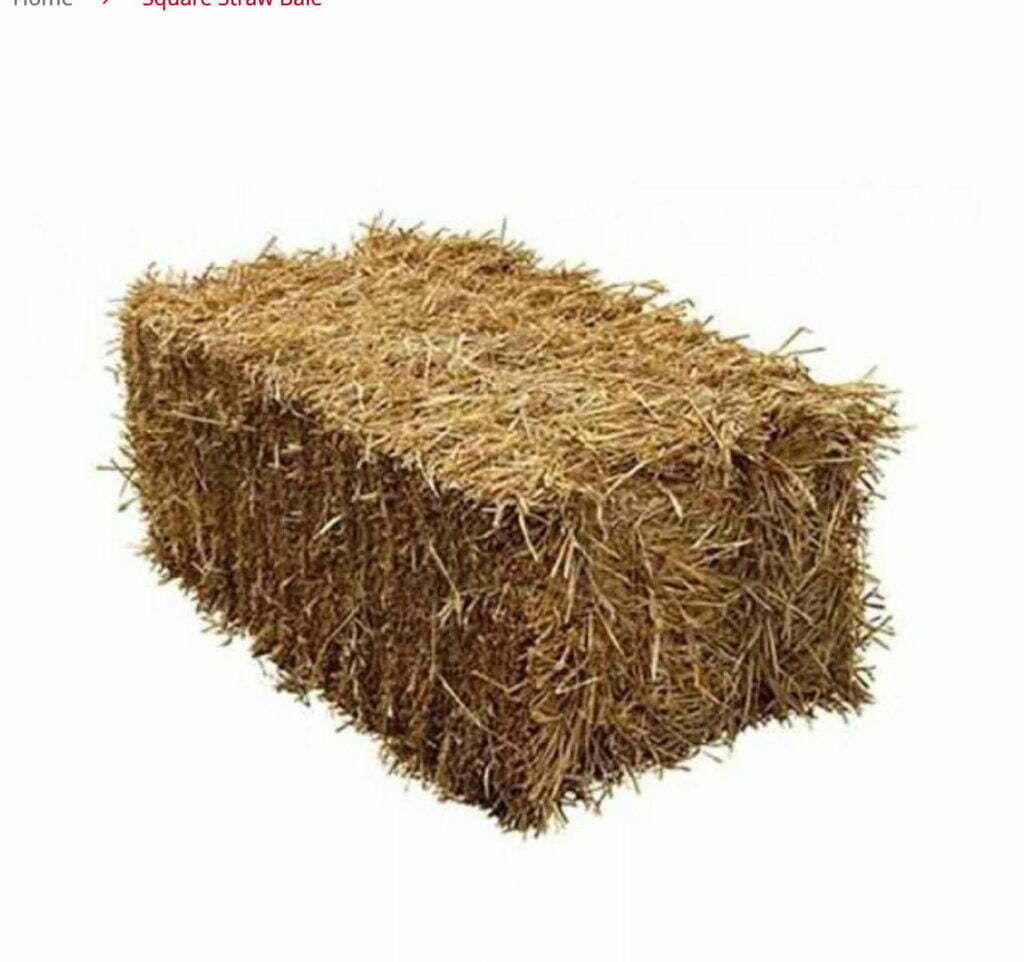
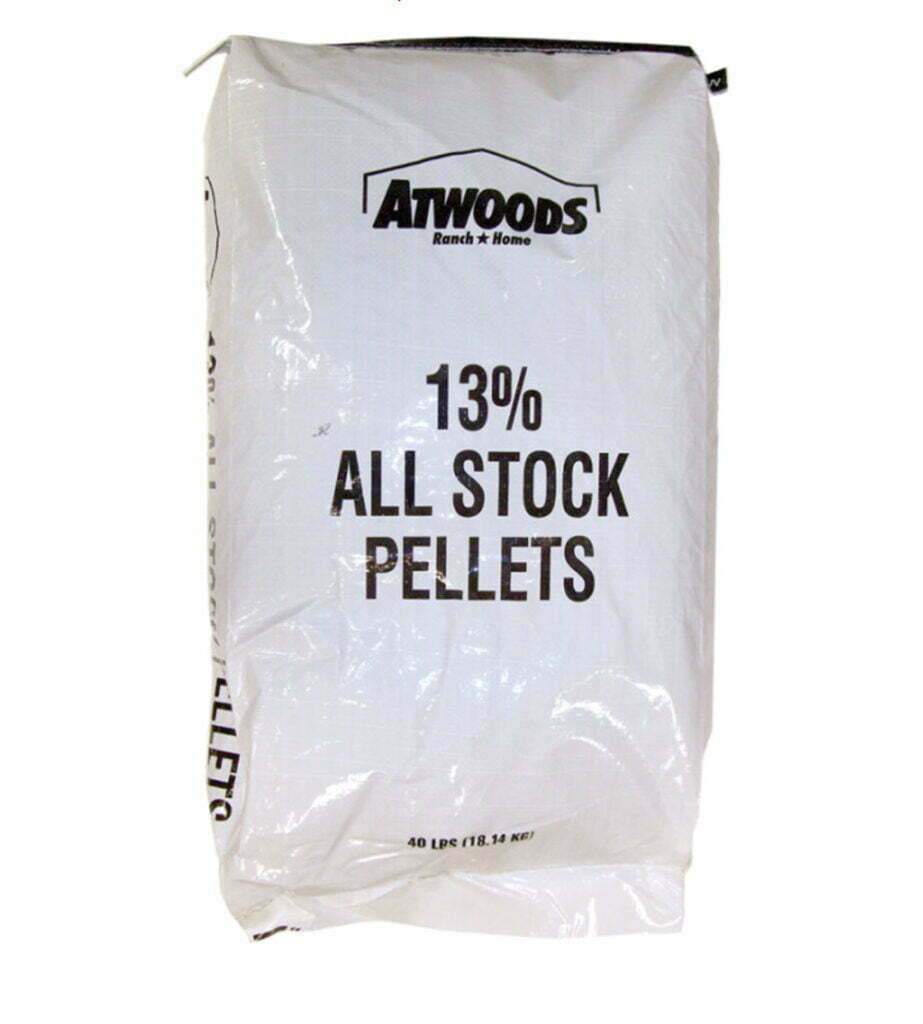
(Images below. All items purchased from my local Atwoods store.)
2 square bales of hay.
20-25 lbs of 13% All-Stock pellets.
1 Mineral Block (Free choice. Will last much more than a day)
1 Ranch Pro 18% Protein Block (Free choice. Will last much more than a day)

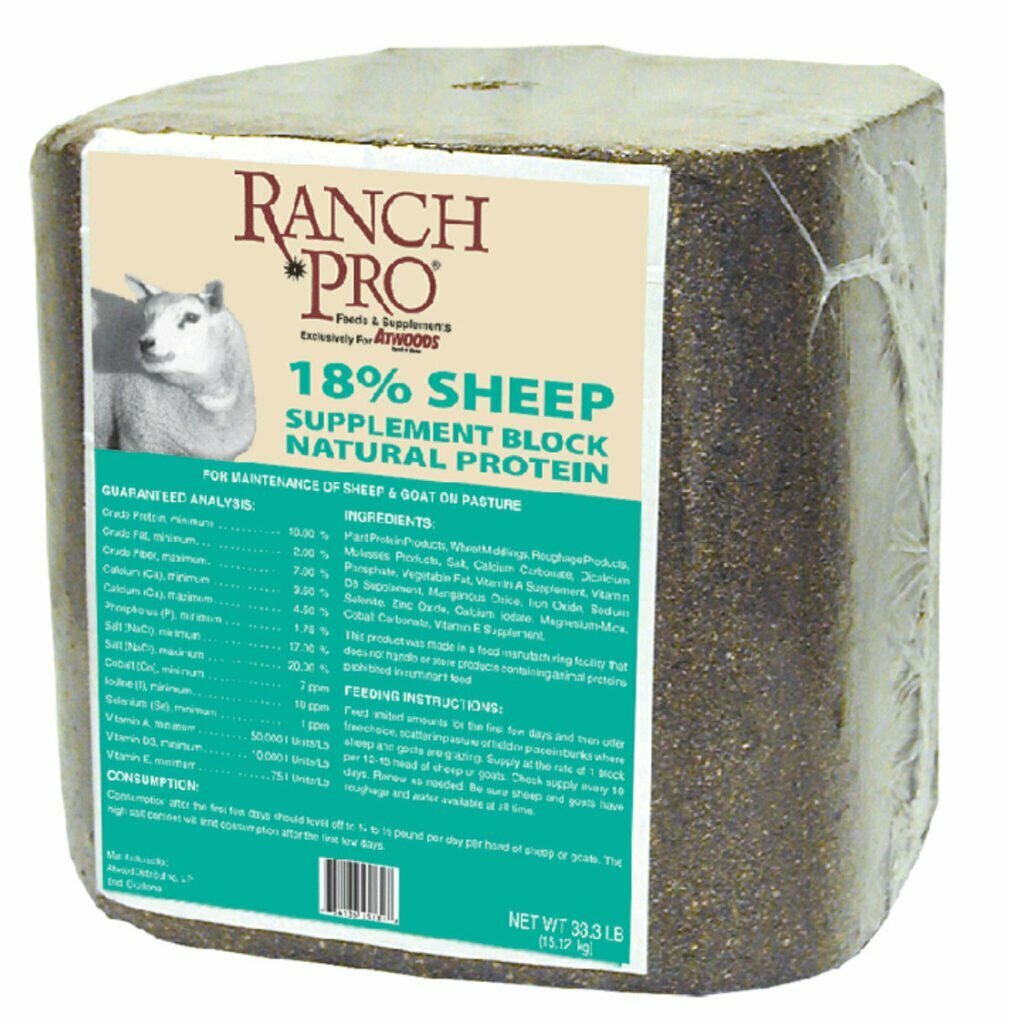
I hope this helps you!
-the Shepherdess
“Therefore, whether you eat or drink, or whatever you do, do all to the glory of God.” 1 Corinthians 10:31
SHEEP FARMING DURING WINTER STORM URI
SHEEP GRAZING the Garden Cover Crops
3 Things to Know Before Farming Sheep
Raising Dorper Sheep in Texas
At Harmony Farms we are raising a flock of pure-bred Dorper Sheep. Harmony Farms is located in East Texas, just outside of Dallas Fort Worth area. We rotational graze our Dorper sheep for the health of both land and animal. Our goal is to produce gourmet grass fed lamb, as well as a superior line of Dorper Breeding stock for other small farms to begin raising their own Dorper sheep in Texas.
Harmony Farms
At Harmony Farms we farm Dorper Sheep right outside of Dallas Fort Worth, Texas. Our small sheep farm is just 30 acres. At this time we run a flock of 25 Dorper ewes and one ram. Our flock lambs every March. We raise our ram lambs for grass fed and finished lamb. Our ewe lambs are added back to our flock to breed out once they have matured.
Pasture Based Dorper Sheep Farming in Texas
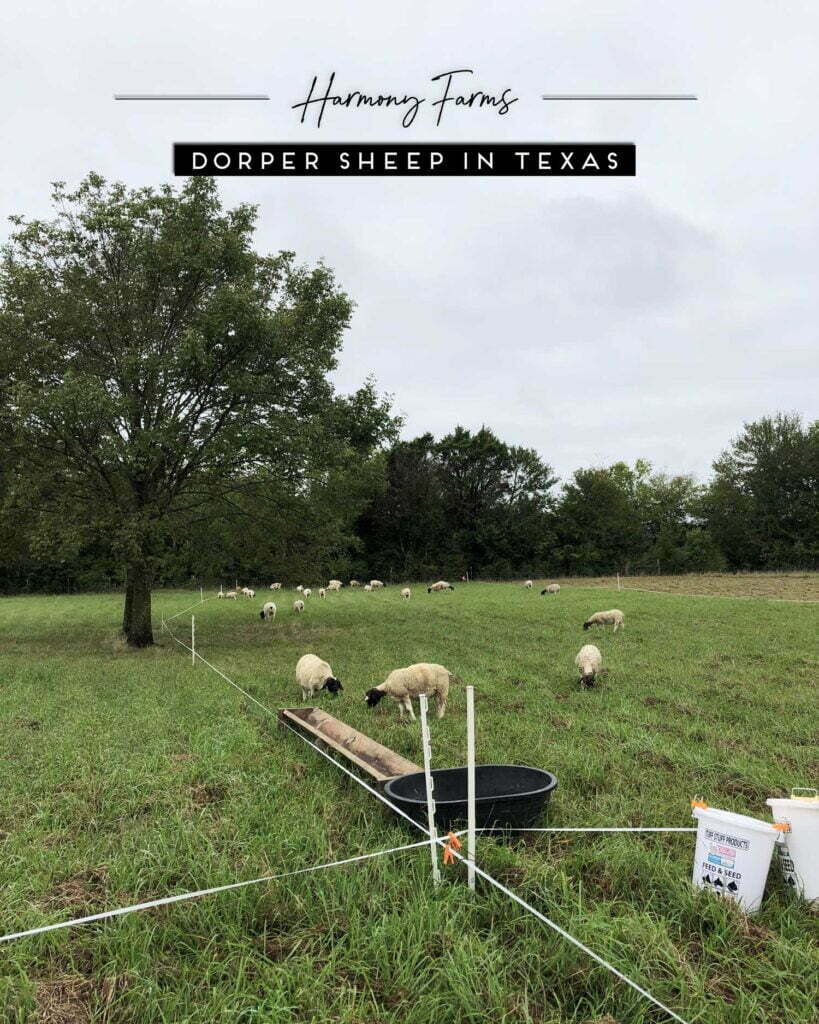
Our Dorper sheep farm is located in East Texas. The climate in East Texas allows us to leave our Dorper sheep on pasture year round: spring, summer, fall and winter! We have a small gated corral with a covered shed. We use this structure to perform general maintenance on the flock and administer dewormers. Here in East Texas we receive above national average in both rainfall and sunlight. This provides the perfect climate for raising Dorper Sheep on pasture.
Rotational Grazing Dorper Sheep in Texas
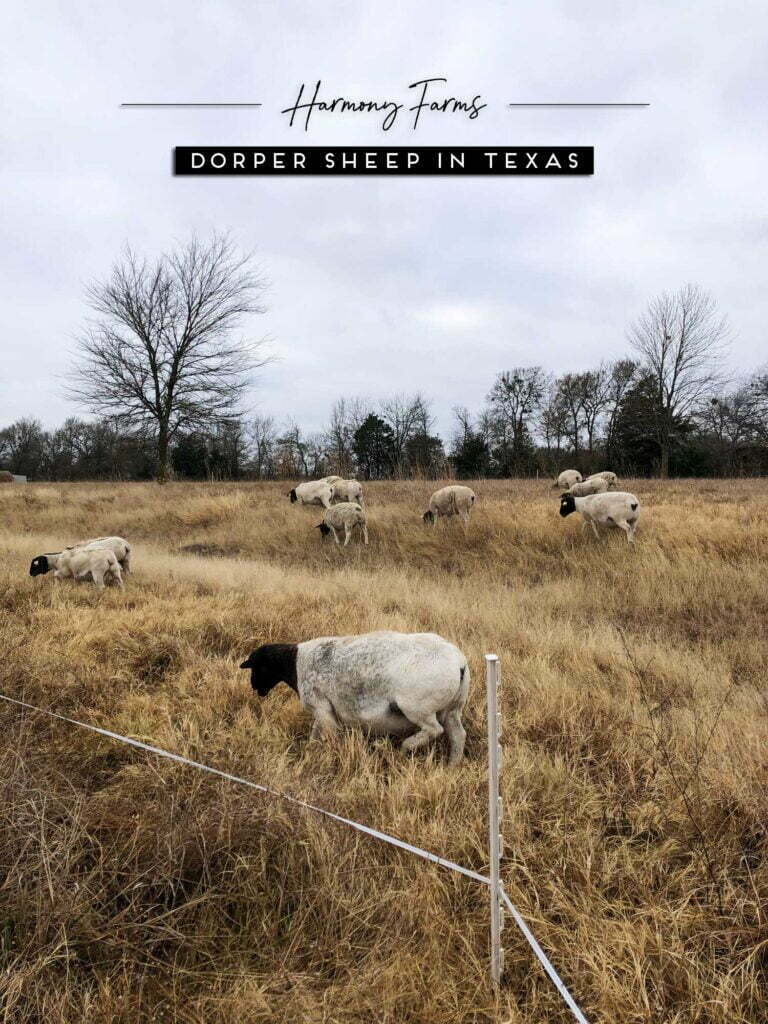
Rotational grazing is a major part of our Dorper Sheep Farming operation. We rotational graze our sheep, moving them to fresh pasture every two days. Rotational grazing is a highly effective way to minimize internal parasites in our sheep. Rotational grazing also benefits our land by providing adequate rest for our grass, and evenly distributing manure for pasture fertilization.
-
 The Art of Natural Cheesemaking by David Asher$40.00
 -
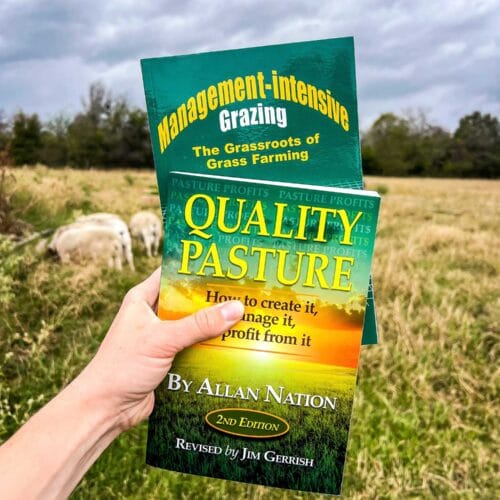 Pasture Management Starter Set (2 Books)$70.00
 -
 Raising Sheep Book Bundle (3 Books)$107.00
 -
 (E-BOOK) The Basics of Raising Sheep on Pasture$46.95
 -
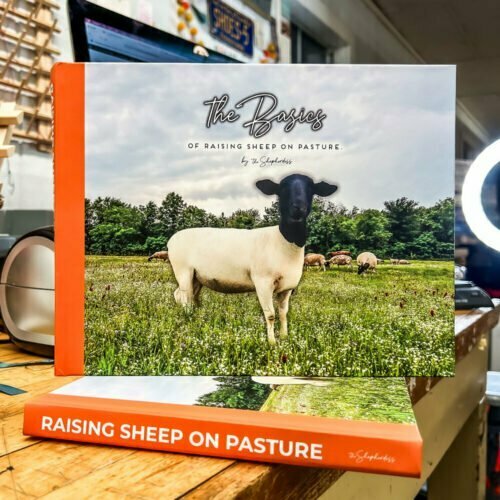 The Basics of Raising Sheep on Pasture$46.95
 -
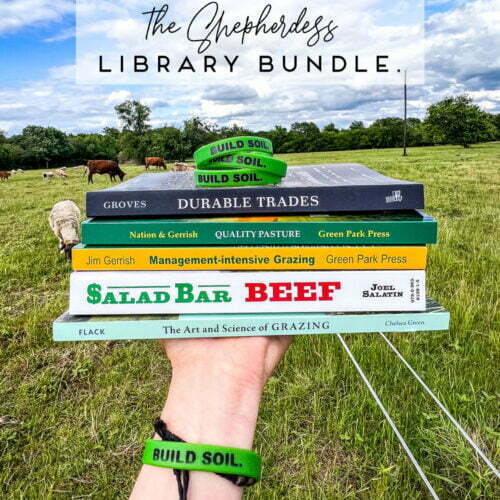 The Shepherdess Library Bundle (5 Books)$180.00
 -
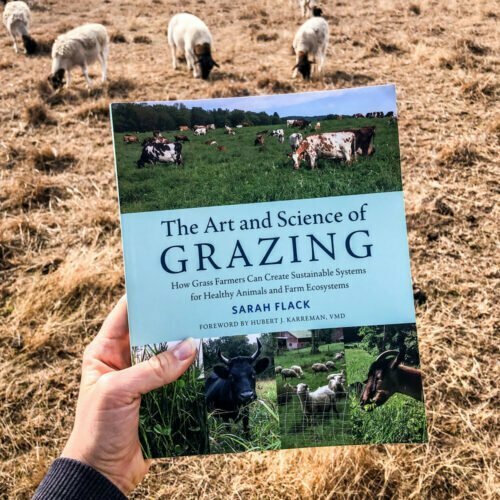 The Art and Science of Grazing Book by Sarah Flack$40.00
 -
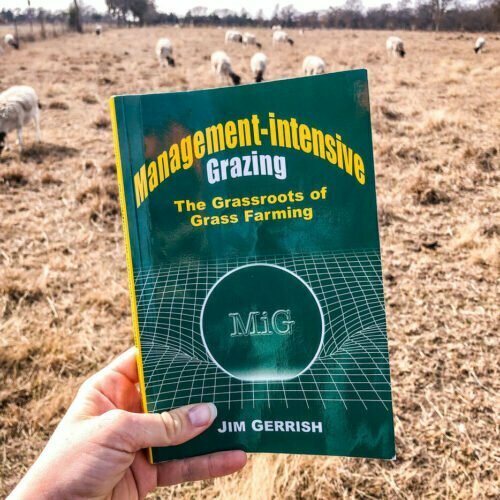 Management Intensive Grazing Book by Jim Gerrish$40.00
 -
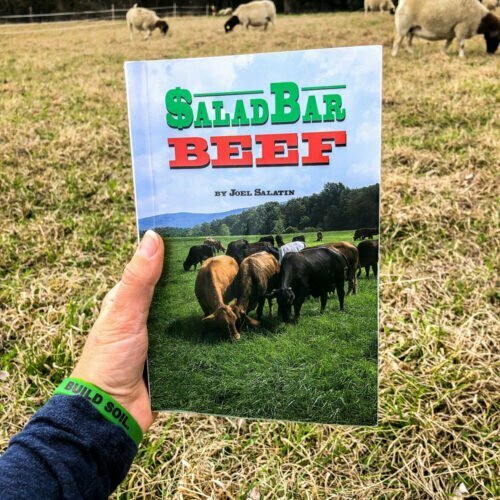 Salad Bar Beef Book by Joel Salatin$35.00
Grass Fed Lamb
At Harmony Farms, our goal is to raise the finest grass fed lamb in Texas. Dorper meat is both tender and flavorful. Lamb is a red meat that provides an excellent source of vitamin B12, B3, zinc, and iron. Being grass fed from start to finish ensure that Harmony Famrs lamb is as healthy as it is delicious.
Dorper Sheep Breeding Stock in Texas
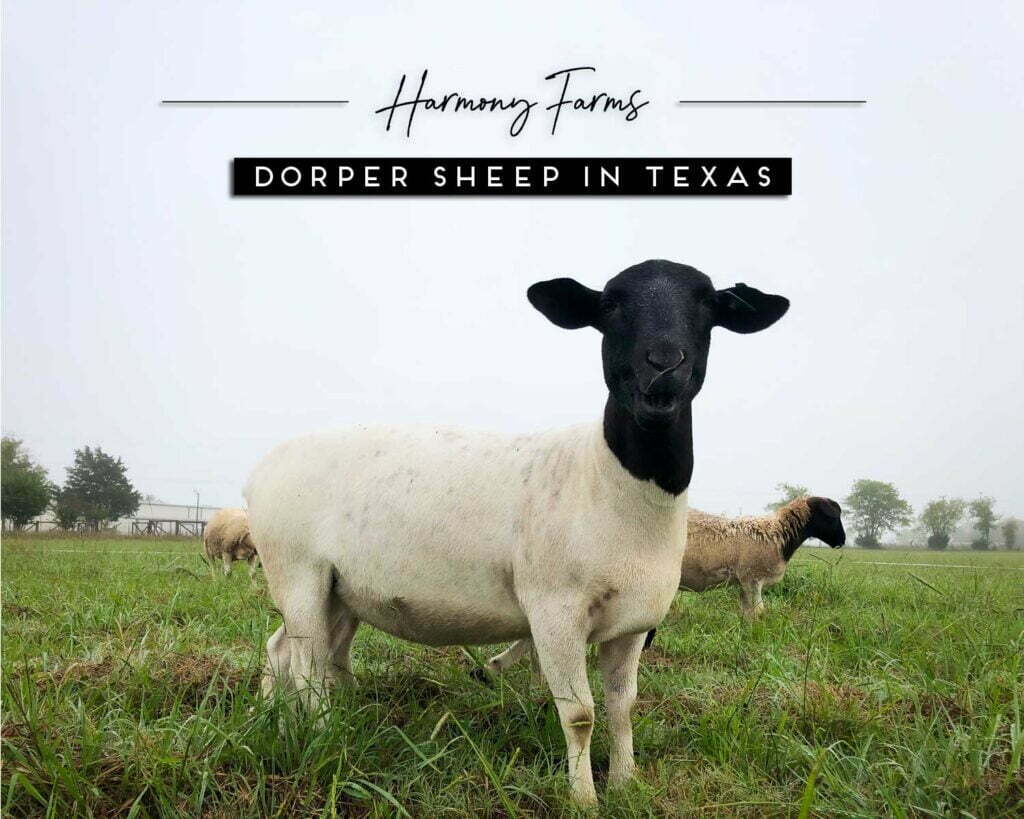
Our secondary goal in raising Dorper Sheep in Texas is to produce a superior line of breeding stock. Dorper sheep are increasing in popularity and value. Because of their heat tolerance and self-shedding quality, the Dorper breed is an excellent choice for sheep farmers in Texas. It is our goal to become a source from which other sheep farmers can purchase quality Dorper Sheep in Texas.
-The Shepherdess at Harmony Farms
“O come, let us worship and bow down: let us kneel before the Lordour maker. For he is our God; and we are the people of his pasture, and the sheep of his hand.”
Psalm 95:6-7
4 Months of Intensive Rotational Grazing Dorper Sheep
It has been 4 months since we launched our management-intensive rotational grazing program for our flock of 25 Dorper Sheep. We started intensive rotational grazing our sheep (meaning we move them to a new paddock every 2 days) as a means of parasite management. Intensive rotational grazing also allows our pasture grasses to recover at break-neck speed. Because our Dorper sheep farm is located in East Texas, we are able to rotational graze our sheep on a year-round basis. Our fencing is a combination of 6″ hog panel perimeter fence and electric poly-tape. Even though our intensive rotational grazing system has only been in place for 4 months, we have seen some amazing results!!
We launched our intensive rotational grazing program for our flock of 25 Dorper sheep on August 15th. We launched this system as a final effort towards parasite management. Sheep are highly susceptible to worms, the Barber Pole worm being the worst threat of all. Typically you can control worms with chemical dewormers. Unfortunately, our flock of Dorper sheep had developed a resistance to these conventional dewormers (ivermectin, cydectin, etc). Because these dewormers were no longer 100% effective for our flock, the health of our sheep was failing. In efforts to improve the health of our Dorper sheep, we implemented Intensive rotational grazing in addition to these conventional dewormers.
Our intensive rotational grazing program for our Dorper sheep involves moving them to fresh pasture every 48 hours. To carry out this rotational grazing strategy, we use electric fence; electric poly tape to be specific. We use the electric fencing to create small paddocks that provide the sheep with just enough grass to graze for 48 hours. For 25 sheep, each 48 hour paddock is around 1/10 acre.
Why does rotational grazing help with parasites in sheep? To explain how rotational grazing helps reduce parasites in sheep, I will explain the life cycle of the parasite. Worms (parasites) exit the body of the sheep via their manure and lands on the pasture. Within 3-10 days (depending on climate), the worms hatch out of the manure and climb up the grass stem. If the sheep is left to graze on a pasture more than 3 days, they will graze grass that is covered in the microscopic larvae of the Barber Pole worm. Through intensive rotational grazing we move the sheep to fresh pasture before they can graze the grass that is covered in parasites. We fence off the previous pasture with electric fencing so the sheep cannot back-track and re-graze the previous paddock.
In addition to being amazing for the health of our sheep, Intensive rotational grazing is also amazing for the health of our pastures! By only grazing a paddock for 2 days, then moving the animals off the grass is given a lot of time to rest and recover. This short grazing period and long rest period allows the grasses to recharge their root systems. This creates deep roots and allows the grasses to fully recover before grazing. Pasture fertilization through even manure distribution is another benefit of intensive rotational grazing. Healthy sheep and healthy pastures makes intensive rotational grazing a win-win!
Our Dorper sheep farm is located in East Texas. Because we are farming sheep in Texas, we can leave our sheep on pasture all year round. In East Texas we do not typically experience harsh winter conditions like snow or ice, so we can allow our sheep to graze through the winter. Sheep farming in Texas is really an ideal situation for intensive rotational grazing program.
Electric fencing is an essential element in our intensive rotational grazing program. We have a strong perimeter fence that is made up of 6″ hog panel around the entire 30 acres of our farm. We use electric poly-tape within our 6″ hog panel perimeter fence to create the small 2-day paddocks. When we rotational graze our sheep, we use plastic step in posts and electric poly-tape to create temporary paddocks. Once we are done grazing an paddock, we roll it up move to the next one!
So what are the results after intensive rotational grazing our Dorper sheep for 4 months? AMAZING!!! For one, our Dorper sheep stopped dying of worms. Before implementing the rotational grazing program in August, we had already lost 3 sheep to parasite this summer. The body condition of our flock has also improved. Our sheep have gone bony and hallow, to plump and muscular. One of the neatest things is that since we began rotational grazing we have been able to reduce our use of conventional dewormers from twice a month to once a month. Some of our ewes are actually able to go 60 days without any chemical dewormers.
At this time we are still using chemical dewormers on our farm. It’s important to do this because our animal’s lives depend on it. It is, however, our ultimate goal to breed out a line of of parasite resistant Dorper Sheep that have no need for chemical dewormers. Lord-willing this will be a reality within 7 years!
I hope this information about rotational grazing sheep helps you! Intensive rotational grazing is tremendously beneficial for parasite management. Intensive rotational grazing your sheep will also improve pasture quality. Because we intensive rotational graze our sheep in Texas, we can leave them on pasture yer round. With a relatively small investment in electric fencing you can launch an intensive rotational grazing program of your own!
-The Millennial Shepherdess at Harmony Farms
“Know that the LORD, He is God; It is He who has made us, and not we ourselves; We are His people and the sheep of His pasture.” Psalm 100:3