How to Find Lease Land for Farming and Ranching

Why Grass Fed is Better than Grain Fed Beef
100% Grass Fed Beef vs. Grain Fed Beef:
Grass Fed Beef contains:
- 500% more CLA
- 400% more Vitamin A
- 300% more Vitamin E
- 75% more Omega-3
- 78% more Beta Carotene.
(Allan Nation, Grass Fed to Finish, p. 88)
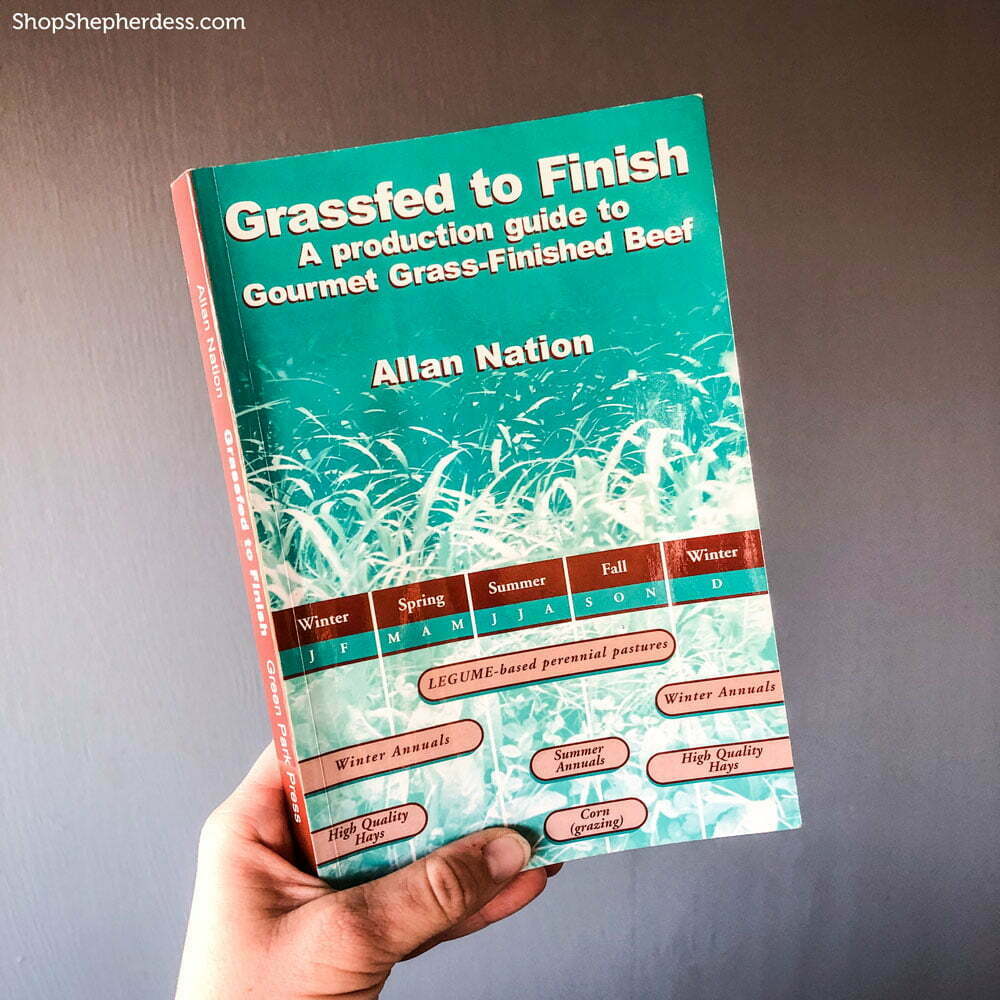
In this article I am going to outline the benefits that come with eating beef, regardless of grass fed or grain fed. I will explain the science behind the nutritional superiority of organic,100% Grass Fed beef over grain fed beef. Finally, I will dispel the myth that grain is bad for cattle, revealing the true villain in the grain-crop arena and HOW Grassfed beef can be just as bad as grain-fed when it comes to this villian.
This info is in the context of beef, but a majority of the information transcends species will apply to grass fed lamb as well.
Benefits of Eating Beef (and meat in general):
First, let’s discuss the benefits of eating beef, whether grass fed or grain fed. Meat in general is one of the richest sources of complete-protein on planet earth. Every cell in the human body relies on an adequate intake of protein in order to heal, survive, and thrive. An article from healthline.com states that the consumption of beef helps build muscle mass, prevent anemia, and provide you with high levels of:
- Vitamin B12
- Zinc
- Selenium
- Iron
- Niacin
- Vitamin B6
- Phosphorus.
HOW GRASS FED BEEF IS BETTER THAN GRAIN FED BEEF:
Beef is a good food, but organic, 100% grass fed beef is a superfood. Organic, 100% grass fed beef is a nutritional tool that can equip your body to fight the effects of aging, cancer, diabetes, and heart disease. The scientific research I am getting ready to quote is from Chapter 6 of Allan Nation’s “Grassfed to Finish, a Production Guide to Gourmet Grassfed Beef”. I’d love it if you would use the link below to bypass Amazon and buy the book at ShopShepherdess.com.
In establishing 100% Grass Fed beef as a superfood, we must hone in on Conjugated Linoleic Acid (abbreviated CLA). CLA is an anti-carcinogenic, meaning it is a cancer-fighter. Dr. Tilak Dhiman of the Utah State University states: “CLA is the only [animal-based] compound that has shown in research trials all over the world to reduce cancer risk.” (p.93) Meat from 100% Grass Fed beef has 500% more CLA than grain fed beef.
In studies done on the benefits of Conjugated Linoleic Acid:
- 11/11 found CLA contributes to a decrease in cancer.
- 4/5 found CLA contributes to a decrease in body fat.
- 2/2 found CLA contributes to a decrease in heart disease.
- 6/6 found CLA contributes to increased immunity to disease.
- 2/2 found CLA contributes to increased bone density
- 3/3 found CLA contributes to a decrease in adult diabetes. (p. 88)
In addition to being 500% higher in CLA than grain fed beef, Grass Fed beef contains:
- 400% more Vitamin A
- 300% more Vitamin E
- 75% more Omega-3
- 78% more Beta Carotene. (p. 88)
One of the characteristics of Grass Fed beef vs grain fed beef is yellow fat. “The rich yellow fat in grass fed meat is reflective of a high beta carotene content which the human body is able to metabolize as Vitamin A: a major antioxidant.” (p. 84)
The vitamins and omegas mentioned above are major anti-aging properties, reducing oxidation in the body. What’s more is that Omega 3 contributes to brain fat and in a case study cited by Jo Robinson, author of The Omega Diet “children who were fed high Omega-3 diets had an IQ nine-points higher than the average american child” (p.91)
THE MYTH: GRAIN IS BAD FOR CATTLE
The concept that grain is bad for cattle is a myth. Grain in itself is not bad for cattle. Those who would argue that grazing animals do not benefit from grain consumption are ignoring the reality that herbivores of old would have regularly encountered and grazed wild grain. Additionally, many high-performance pasture grasses planted for beef cattle (rye, wheat, oat, etc) are part of the grain family. While it has been proven that meat from grain-supplemented cattle does not have the CLA content that 100% Grass Fed meat does, organic grain as part of a well rounded, pasture-based program is not a harmful thing.
Glyphosate, not grain is the culprit.
It is glyphosate, not grain that should be our concern as conscious consumers. Glyphosate can be found in both Grassfed and grain fed meat.
According to usrtk.org “Glyphosate, [is] a synthetic herbicide patented in 1974 by the Monsanto Company. Glyphosate is best known as the active ingredient in Roundup-branded herbicides”. According to EPA.gov in the USA “About 280 million pounds of glyphosate are applied…. annually” with 84% saturating soybean, corn, and cotton crops. Corn and soy are among the primary feedstuff provided to conventionally-finished beef in the USA.
Research done by the Pesticide Action Network found that Glyphosate contributes to cancer, hormonal disruption, DNA damage, birth defects, and neurological disorders (https://drdeeblanco.com/what-pet-parents-really-need-to-know-about-glyphosate/). Jo Robinson, author of The Omega Diet states “One, if it’s in their feed, it’s in our food. Two, if it’s in our food, it’s affecting our health. The new paradigm is we are what our animals eat” (p. 91)
An evaluation of the following graphs proves very thought provoking. The first is a graph showing the escalation of glyphosate usage since its introduction in 1974. The second is a chart from cancer.gov showing the rise in the prevalence of cancer in the USA, since 1975.
Unfortunately, because pasture and hay fields are one on the “top 4 list” for glyphosate application, grass fed beef can be just as great a risk for glyphosate exposure as grain fed beef. As a consumer seeking out grass fed meat for maximum health benefits, it is important to know your farmer and his practices. I advise visiting eatwild.com to find your nearest grass-based farmer.
How to Avoid Glyphosate Exposure:
While it is nearly impossible to avoid glyphosate exposure, there are 2 practical ways to reduce and fight it’s effects. #1. Transition to organic fruits and vegetables first. Fruits and veggies test the highest when it comes to Glyphosate residual. Buy organic 100% grass fed meats. These meats will have the best chance at freedom from glyphosate residuals. These meats will also be full of antioxidants and anticarcinogens which will contribute to your body’s ability to detoxify existing Glyphosate stores.
As organic grass farmers, glyphosates can make their way onto your farm via hay and non-organic feed supplement. Cutting hay from your own land or grazing your own stockpiled pasture overwinter is a means of avoiding glyphosate exposure via inputs.
The bottom line is: be aware, and do what you can. You can’t fix everything in one day, but there are things you can do today. Do not be stifled by what you cannot do, be motivated by what you can do!
-the Shepherdess
“Be not overcome of evil, but overcome evil with good.” Romans 12:21
References, citations, and further reads:
https://drdeeblanco.com/what-pet-parents-really-need-to-know-about-glyphosate/
cancer.gov
https://www.healthline.com/nutrition/foods/beef#vitamins-and-minerals
https://pubs.acs.org/doi/10.1021/acs.jafc.9b07819
http://npic.orst.edu/factsheets/archive/glyphotech.html
https://www.epa.gov/sites/default/files/2019-04/documents/glyphosate-response-comments-usage-benefits-final.pdf
the Lord directs his steps… | About the Shepherdess at Harmony Farms
Below is an article I wrote for the Grovestead Newsletter. Go to the Grovestead.com to subscribe to the printed publication!
“A man may choose his path, but the Lord directs his steps.” Proverbs 16:9
My current course is one I bucked, ignored, and resisted for years. I forged a path I thought would take me in the opposite direction but, like a boomerang, I flew right back into the middle of the work I was avoiding. But with a plot twist: the work I tried so hard to ignore has become (what I consider) the most important work of my life.
I am a shepherdess, a farmer, and an advocate for entrepreneurship in small-scale farming.
My background is in business management and digital marketing. In fact, those are still my main sources of income and that which funds my farming effort.
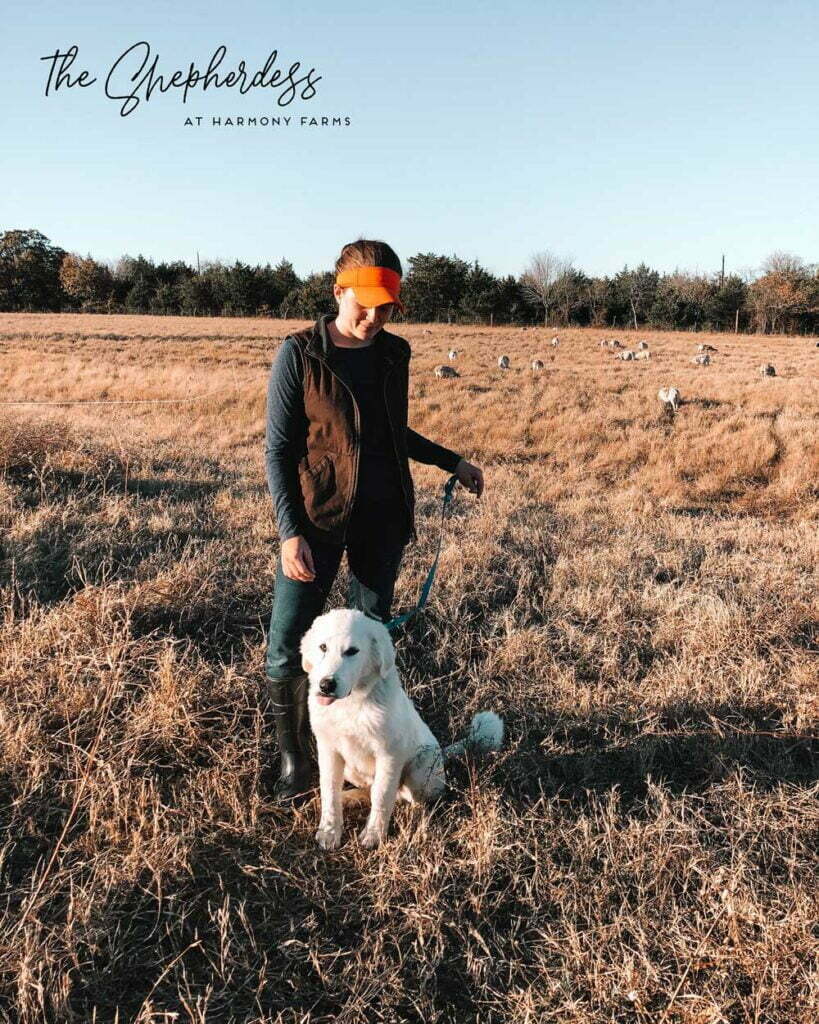
In early 2020 I found myself with the rest of the world: at home. Home for me was 23 acres, in the country, with a flock of sheep. That flock of sheep was one I wanted so badly to get rid of. Unfortunately (or rather, fortunately!), this flock did not belong to me at the time. The sheep belonged to my parents.
My dad has always been one to resist the norm. Most of our neighbors raise beef cattle, so when we moved to the country he decided we would raise sheep. We were beginners in farming so we assumed that the size of an animal was synonymous with it’s difficulty level. “Sheep are way smaller than cows, so they must be way easier to raise!” I can hear sheep people laughing right now.
Unfortunately, from the moment the sheep arrived they did everything in their power to die, or escape our barbed wire fence (our neighbors were entertained by the rodeo!). Due to subtropical conditions in East Texas, internal parasites are the bane of ranching operations for miles around. Being that sheep are doubly susceptible to parasites, the health of the flock was a perpetual tug-of-war. By spring of 2020 we did not expect the flock to make it through the summer. I watched the struggle from my home office, thinking “What a waste. Hopefully they all die this year!”.
I know that level of honesty puts me in a bad light, but I hope it showcases the Lord’s mercy and power to change a hard heart.

In addition to quarantine, 2020 brought to light “flaws” (mildly put) in the US food system. We saw millions of pounds worth of pork and chicken euthanized and sent to waste. Headlines covering this dismal waste were paralleled by photos of empty shelves and further headlines citing nationwide “food shortages”. As I looked at these reports side-by-side I realized the problem was not a “food shortage”, but a complete systemic failure.
Neither Covid nor the government were to blame for this failure. We the people of the United States of America have relinquished and neglected one of our most fundamental responsibilities: growing food for ourselves. In fact the United States, which boasts a population of 355 million, relies on a farming population of 1.3%. This is down from a 50% farming population in 1900.
As I watched the supply chain crisis unfold, I realized I was accountable. I had resources in front of me to do something. I knew I couldn’t fix the problem for the whole world, but I could probably fix it for my family, and maybe a few neighbors.
And thus it began.
My initial plan was to raise beef. My family has eaten grass fed beef for 12 years. When I looked at 23 acres of grass my thought process naturally defaulted to beef as the means of converting it into a food source. Raising beef would also allow me to continue ignoring the sheep.
These 3 books got me started as a beginner in rotational grazing!
-
 The Art of Natural Cheesemaking by David Asher$40.00
 -
 Pasture Management Starter Set (2 Books)$70.00
 -
 Raising Sheep Book Bundle (3 Books)$107.00
 -
 (E-BOOK) The Basics of Raising Sheep on Pasture$46.95
 -
 The Basics of Raising Sheep on Pasture$46.95
 -
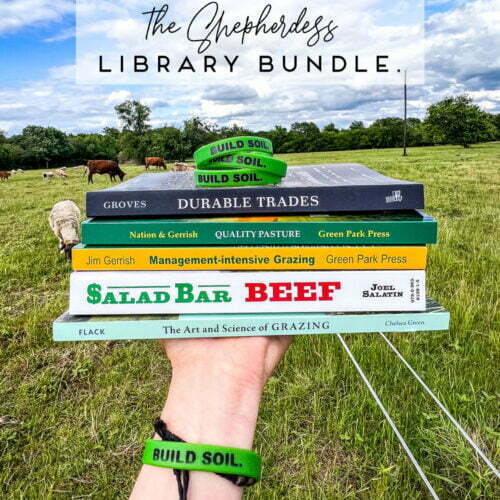 The Shepherdess Library Bundle (5 Books)$180.00
 -
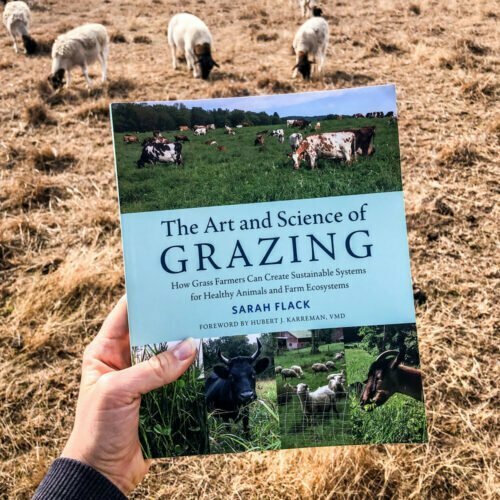 The Art and Science of Grazing Book by Sarah Flack$40.00
 -
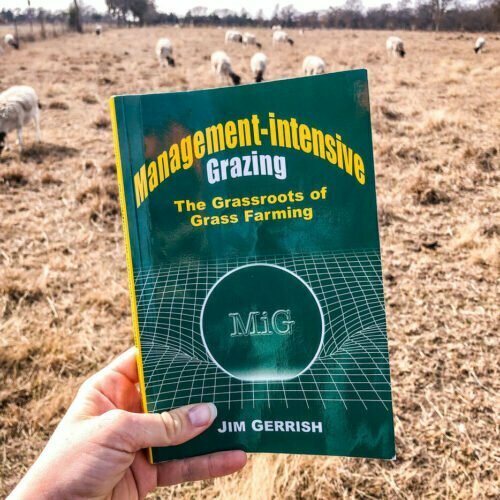 Management Intensive Grazing Book by Jim Gerrish$40.00
 -
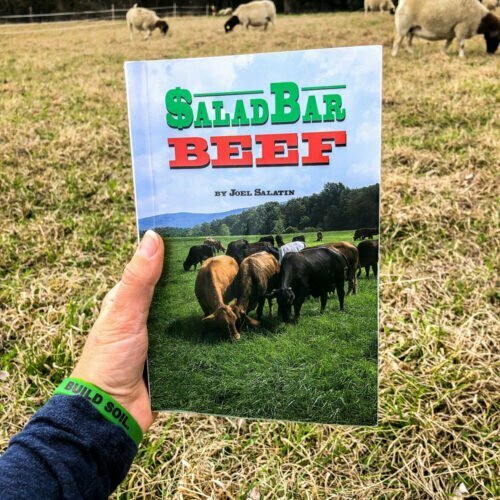 Salad Bar Beef Book by Joel Salatin$35.00
I didn’t know anything about farming, so I went shopping for a book about cows. I found the perfect book: Salad Bar Beef, by Joel Salatin. I deemed the book “perfect” because the front cover had cows and dollar signs on it (my two primary points of interest at the time).
Within 5 chapters my mind was blown by the concept of Intensive Rotational Grazing. I read how moving animals on a daily basis had the capacity to increase forage production by 300%, rapidly revitalize soil health, and disrupt the life cycle of internal parasites. Then I put down the book and looked out my window at a flock of sheep that was dying of internal parasites.
At that moment I realized I had been given the information I needed to save those dying sheep.
I finished reading Salad Bar Beef on July 20th. By August 15th I had installed electric perimeter fencing, mapped out a plan to section our 23 acres into 100 temporary paddocks, and taught the sheep what it felt like to disrespect hotwire.
I became their shepherdess and moved them to fresh pasture every two days.
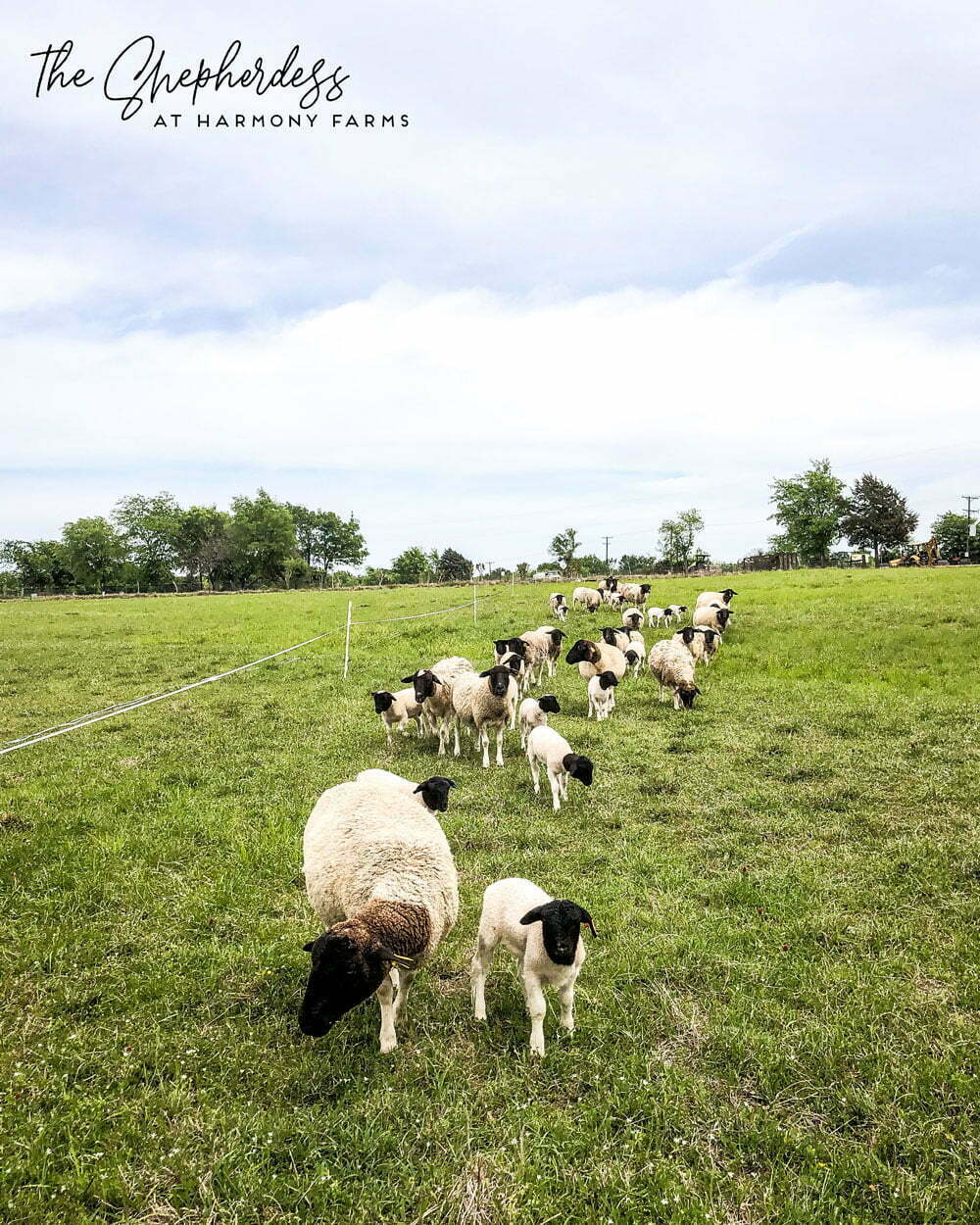
The results still give me goosebumps. Hollow frames became plump, rough coats began to shine, and heads that hung low under unseen internal burdens were lifted up. A flock we thought would die out over summer entered a season of new life as we approached Autumn.
But the biggest change took place inside of me. I fell in love with these animals, the land, and the way that both improved under my management. After a few months of shepherding, I went to my parents with my entire savings and bought the flock. The flock I had avoided for 2 years.
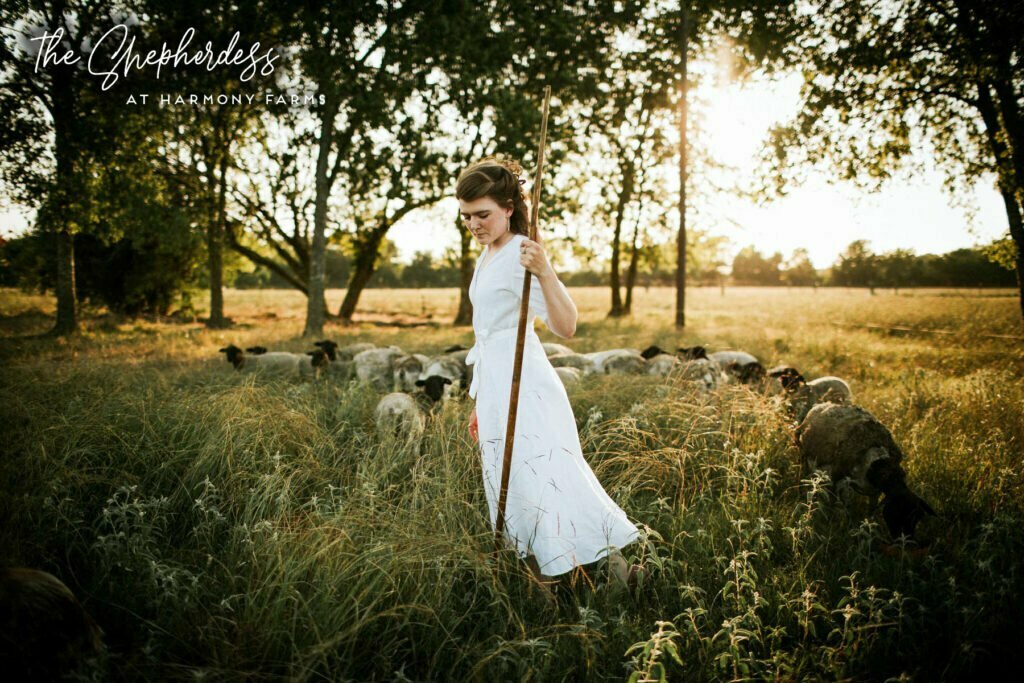
My dad is a generational woodworker. In his younger years he refinished and rebuilt ornate pieces of furniture for a living. On occasion he would give me one of his pieces as a gift. To be responsible for something that my dad created was an incredible feeling. In my work on pasture I am responsible for land and animals that God, my Heavenly Father, has created. It produces that same feeling… but on a scale that far surpasses any material experience.
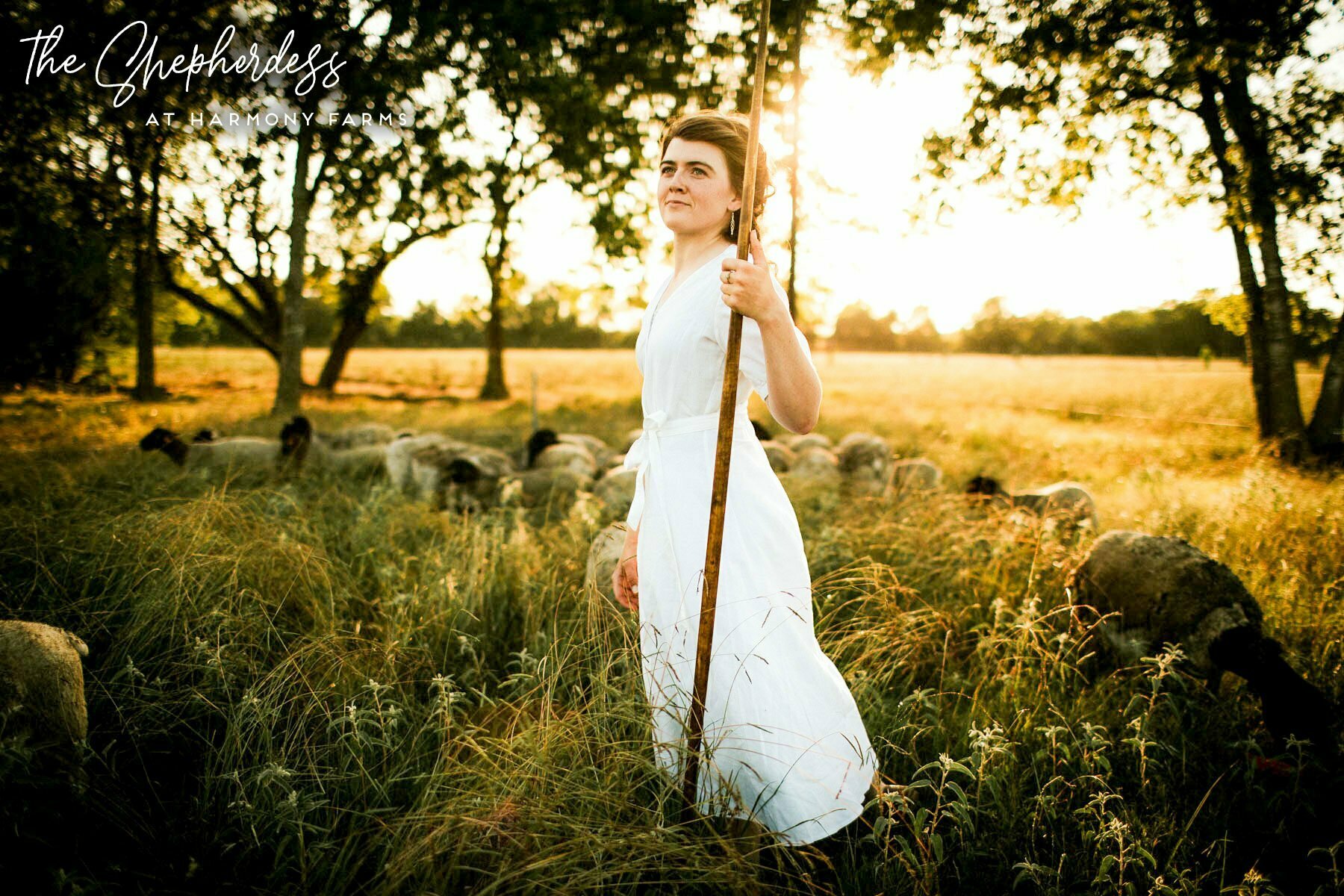
I feel like David could have easily written Psalm 8 on pasture. I am going to include a portion of that Psalm as the final word in this article.
“When I consider thy heavens, the work of thy fingers, the moon and the stars, which thou hast ordained; “What is man, that thou art mindful of him? and the son of man, that thou visitest him? For thou hast made him a little lower than the angels, and hast crowned him with glory and honour. Thou madest him to have dominion over the works of thy hands; thou hast put all things under his feet: All sheep and oxen, yea, and the beasts of the field; The fowl of the air, and the fish of the sea, and whatsoever passeth through the paths of the seas. O Lord our Lord, how excellent is thy name in all the earth!” Psalm 8:4-9
-the Shepherdess at Harmony Farms
WILL $1 BILLION RESCUE THE MEAT SUPPLY CHAIN?
In July of 2021, the president signed an executive order aimed at increasing competition in the meatpacking industry. An official statement from the White House reports that the current administration “will dedicate $1 billion in American Rescue Plan funds for expansion of independent [meat] processing capacity.” (WhiteHouse.gov)
Today’s article will provide a brief explanation of the independent meatpacking sector, a brief explanation of the President’s $1 BILLION Rescue Plan, finally evaluating the historical effects of subsidies in agriculture to get a deeper look at what it means when a government begins to fund an industry.
Tyson, Cargill, JBS, and National Beef have a combined weekly slaughter capacity of 1.6 million head of beef and pork in addition to 92 million chickens. This constitutes roughly 85% of the US meat supply. The remaining 15% of the supply chain is serviced by small-scale meatpacking operations. These small scale meatpacking facilities fall under 3 inspection categories: USDA, custom exempt, and state.
USDA Meat Processors (federally inspected):
USDA meatpacking facilities are at the top of the regulatory scale. These facilities must meet USDA-FSIS operating standards. These standards vary from state to state, but Texas meat inspection laws involve roughly 26 page of regulatory measures. In addition to meeting these standards, USDA meatpacking facilities must have a USDA inspector on site at all times. This agent will inspected the animal before slaughter, inspect the carcass after slaughter, and inspect the final cuts once they are packaged.
As a small farmer, having your animal processed at a USDA meatpacking facility allows you to resell your meat product nationwide.
Custom Exempt Meat Processors:
A custom exempt meatpacking facility is at the bottom of the regulatory scale. Custom exempt facilities are required to meet USDA operating standards and periodically subject to government inspection, but no USDA agent is required to be on site. The trade off is that meat processed at a custom exempt meatpacker cannot be resold.
As a small farmer using a custom exempt meat processing facility, you must sell the beef or lamb as a live animal. This is often done via shares where the buyer purchases 1/2 or 1/4 of the the animal from the farmer. The farmer coordinates transportation of the live animal to the meat processing facility and the owner of the animal-share will pay for processing and pickup the meat.
Many market farmers will use custom-exempt meatpackers, but doing so poses some challenges in the realms of consumer-education, given that a majority of shoppers are not entirely familiar with the animal-share sales model.
In 2019 The PRIME Act was introduced to Congress. This would lift all intrastate sales restrictions on meat processed at custom-exempt facilities. This would open up huge doors for many small farmers. Unfortunately the PRIME Act has made no movement through the congressional system, despite reintroduction in 2021. Here is a link where you can get in touch with your state representative regarding the PRIME Act. (https://www.congress.gov/bill/116th-congress/senate-bill/1620/committees)
State Meat Processors
A state meatpacking facility mirrors a USDA facility with respect to regulations. The ultimate difference, however, is that meat processed at state inspected facilities cannot be sold across state lines. The exception to this is if the state processor becomes part of the Cooperative Interstate Shipment Program. State inspected facilities can be found only in the select states that have opted to undertake authority for their meat packing operations (animalscience.tamu.edu). National Ag Law Center will provide you with a complete list of states and their processing status.
Since spring of 2020, nearly every independent meatpacking facility has been booked up 12-36 months.
Defining the $1 BILLION Rescue Plan

Now for an explanation of the $1BILLION Rescue Plan. This $1 billion has 4 primary allocations:
- $350 Million in aid to existing meat processing facilities.
- $375 Million in financial support for projects with the greatest near-term impact with (proposals for grants are being accepted in Spring 2022).
- $275 Million to make more capital available to independent processors that need credit.
- $100 Million in workforce training for independent meat packers.
The USDA has been commissioned to delegate a greater portion of these funds.
Historic Efficacy of Government Subsidies in the Food Industry:
According to a business plan put out by nichemeatprocessing.org in 2011, the cost of building a small meat processing facility with a weekly slaughter capacity of 4,000 head (varying species) is $3 million (figure adjusted for inflation). This cost assumes construction in a rural area and includes infrastructure and equipment.
If the $375 Million in project grants in the Rescue Plan went entirely to new construction, it would fund roughly 125 small meatpacking facilities with a combined weekly slaughter capacity of 500,000 head.
While it may appear to some that this input of funding would be advantageous we must take a look at historic outcomes attached to agricultural subsidies.
Historically, government funding accompanies government control. The first agricultural subsidies were introduced by Franklin D. Roosevelt in 1930’s. In the wake of the Dust Bowl and Great Depression, these subsidies were aimed at elevating crop prices and reducing soil loss. In the name of stabilizing the market and reducing soil loss, FDR’s subsidies gave the Federal Government widespread control of the production of agricultural commodities for the first time in US history. Nearly 100 years later, these subsidies are still being paid out under the “Farm Bill” label at a rate of $20 billion annually. Ironically, the lion share of this money goes to corn, soybean, cotton, and rice: crops that are among the most destructive to soil health. The USDA soil portal, cites that “the cost of soil erosion is estimated at $44.39 billion in the United States” with a recurring cost of $100Million annually. (farmprogress.com)
Another important thing to understand is that the government ultimately funds nothing: we do, or our children and grandchildren will. (show national debt chart) In light of this, the first solutions should be ones that do not come at the expense of the ones you intend to help.
Solutions that would cost the taxpayer nothing:
- Reinstatement of MCOOL. Mandating country of origin labeling for imported meat products in the US marketplace.
- Removing restrictions on the sale of meat from Custom-exempt processed facilities through the passage and enforcement of the PRIME Act.
- Removing interstate sales regulations on meat from State processors.
- Increasing taxation on imported meats.
- Tax breaks for independent meatpacking startups as well as ranch to consumer meat marketing startups.
These 3 Books outline how to raise cattle on forage only!
-
The Art of Natural Cheesemaking by David Asher$40.00
-
Pasture Management Starter Set (2 Books)$70.00
-
Raising Sheep Book Bundle (3 Books)$107.00
-
(E-BOOK) The Basics of Raising Sheep on Pasture$46.95
-
The Basics of Raising Sheep on Pasture$46.95
-
The Shepherdess Library Bundle (5 Books)$180.00
-
The Art and Science of Grazing Book by Sarah Flack$40.00
-
Management Intensive Grazing Book by Jim Gerrish$40.00
-
Salad Bar Beef Book by Joel Salatin$35.00
So what is our solution: work the land that’s in front of us. Build the soil we stand on. Support your closest meatpacker, despite the fact that that they are booked to the hilt. And don’t imagine that government subsidies are the solution. In the words of Thomas Jefferson: “A government big enough to give you everything you want, is strong enough to take everything you have.”
-the Shepherdess
“Be not overcome of evil, but overcome evil with good.” Romans 12:21
Further articles and citation:
January Farm Update
Hello Friends,
The year is new, the pasture is quiet, but plans for the coming season are mounting! I think it’s funny how you come out of summer dead-tired, but by January you cannot wait to start all over again :). I hope you enjoy the update and make sure to register and join me on January 27th for a LIVESTREAM FARMER MEETUP!
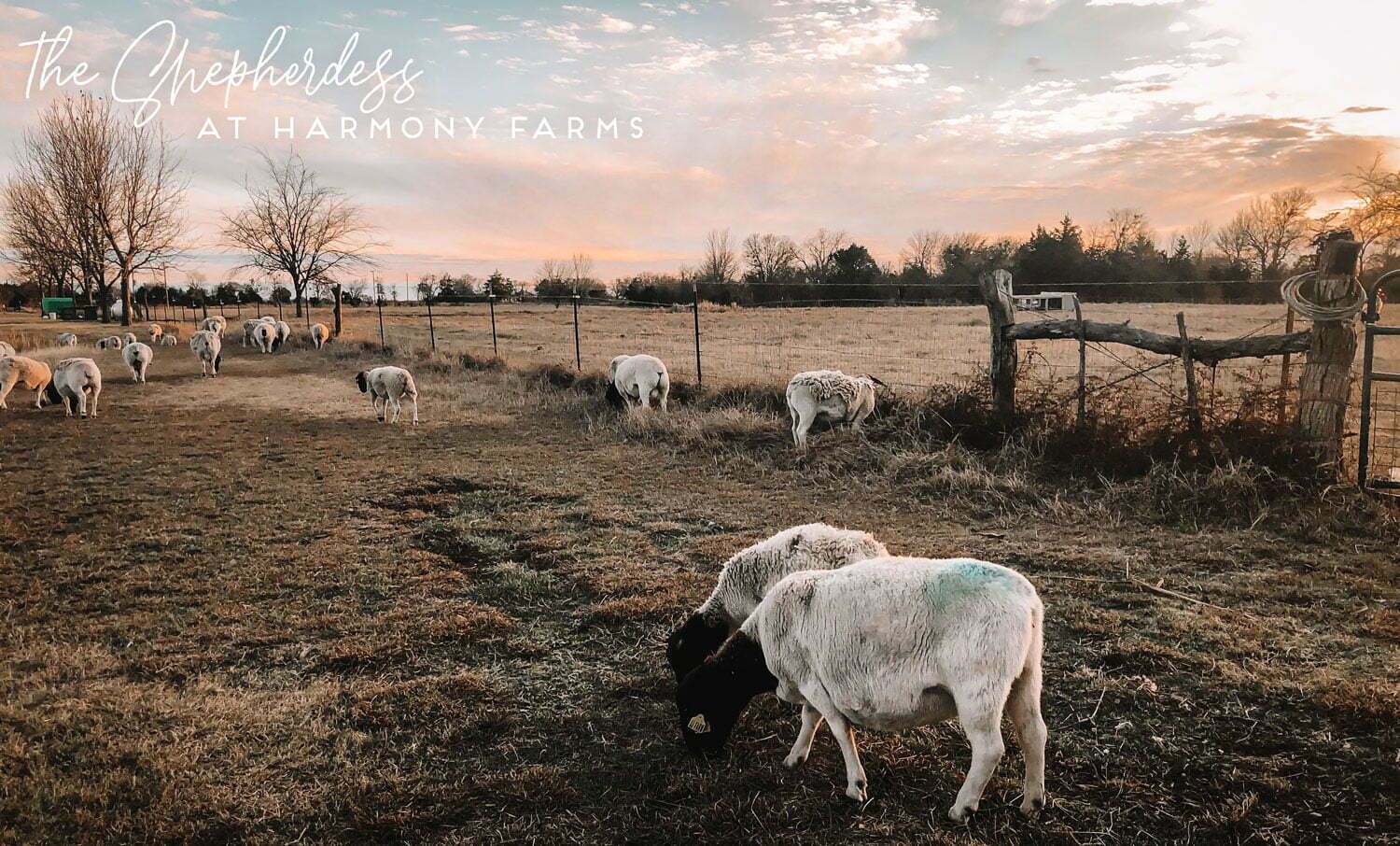
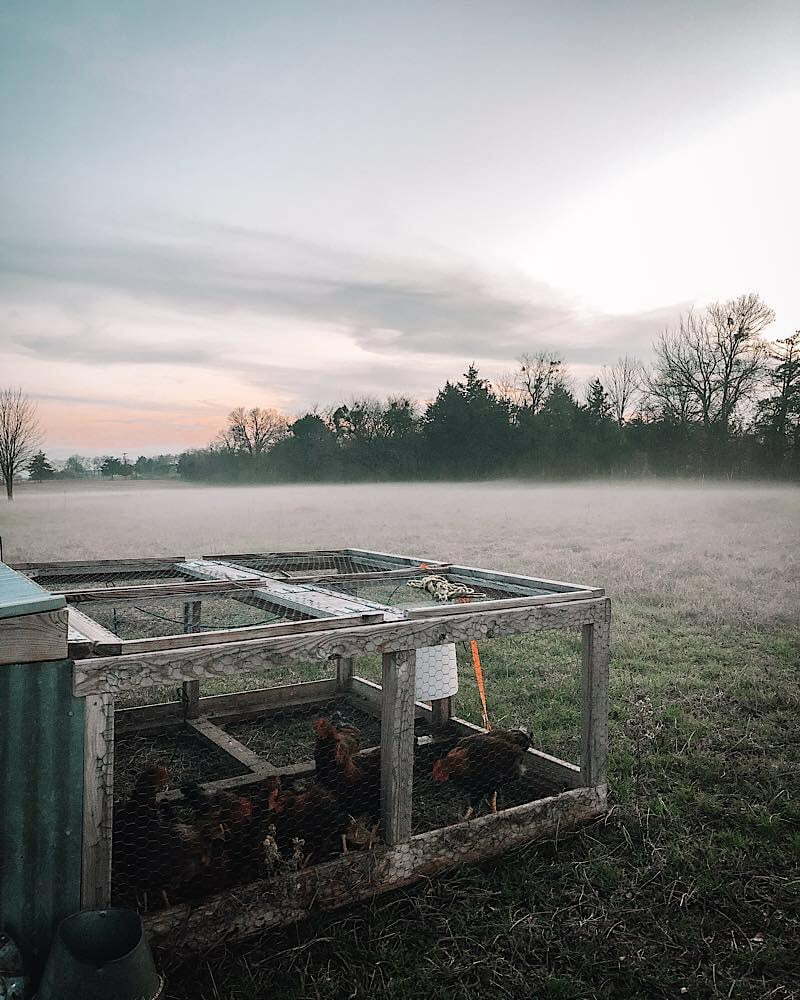
We are still enjoying some good grazing! Here in upper East Texas, temps stay pretty mild throughout the winter. Certain grasses will persist through our cold season. Thanks to my sister’s diligent efforts with her portable chicken coops the pasture has been a little greener this winter! (link to a video on chicken-for-fertilizer)


A slower pace on pasture has allowed me to dust off my leather working tools and create a small collection of leather wallets for sale. I have a few more left here and all proceeds are toward my work here on the farm! CLICK HERE for a video on how these wallets were made.

Thank you all for your support!
Until next time,
-the Shepherdess
“Ask, and it will be given to you; seek, and you will find; knock, and it will be opened to you. For everyone who asks receives, and the one who seeks finds, and to the one who knocks it will be opened.” Matthew 7:7-8
Why Meat is expensive, but ranchers are broke. | Explaining the beef cattle crisis in 2022

Since 1990, the price of ground beef at the grocery store has gone up 40% while the price of live beef cattle has dropped by 50% (figures adjusted for inflation). Why is the consumer paying big, and the beef rancher going broke? Where is all the money going?
- Beef Labeling Bill
- “GRASSFED BEEF 101”
- EAT WILD
- SALAD BAR BEEF BOOK
- FARM ON THE WEB MARKETING COURSE
In this article I am going to give a brief explanation of how the conventional beef industry works, why the prices at the grocery store are so high, and 3 ways you can still profit off beef cattle in 2022.
Whether you are a grocery shopper or aspiring beef rancher, the upcoming article will help you navigate the beef crisis in 2022.
Explaining US Beef Supply Chain:

In the United States there are 2.04 MILLION ranchers, 26,586 feed lots, 4 meat packers, and 355 million consumers. If you were following closely, you will already realize a bottleneck in this system. In the conventional beef industry the cow-calf producer raises a calf for 6-12 mos. The calves are then auctioned off to backgrounders and feed lots who fatten the beef for roughly 9 months. Finally, the feed lots sell the fattened cattle to meatpackers who, within a week, process and pack the beef for distribution to grocery stores.
The pricing in the beef cattle industry is largely dictated by the four meatpackers: Tyson, Cargill, JBS, and National Beef Packing Co. These four meatpackers control 80% of the United State’s beef supply. This hyper-centralization of processing, packing, and distribution is what enables live cattle prices to be manipulated and ultimately driven down.
Meatpacker manipulation is not a new thing in the United States. A web search on the “Big 5” will quickly show you that the beef industry has been battling the situation since 1890.
The margins in the meatpacking industry are huge. Kansas Cattleman Steve Stratford reported that in 2020 the Big 4’s margins on a choice steer hovered around $1000 per head. That same report indicated 500-600K head of choice steer are processed every week, giving the “Big 4” a collective gross margin of $2.6 BILLION per month.
There is a lot that goes into how meatpackers manipulate live cattle pricing, but the bottom line is that the “Big 4” have contributed to the 50% decline in live cattle pricing over the last 30 years.
Why are these packers driving US Beef rancher out of business? Don’t they need US beef producers to stay in business? Not entirely. In 2016 the USDA repealed enforcement of the MCOOL Act.
MCOOL stands for Mandatory Country of Origin Labeling. MCOOL “requires retailers to provide their customers with information regarding the country of origin of regulated commodities” such as beef, pork, and chicken (USDA.gov).
The repeal of MCOOL enables foreign beef carcasses to be imported, processed, and labeled “Product of the USA” simply because they were cut up and vacuum sealed in the USA. I predict a massive explosion in beef imports is coming down the pipe.
A proposition to reinstate MCOOL was introduced to the US Congress in September of 2021. If you are a beef rancher (or prospective beef rancher) I would highly recommend going here and following the instructions on how to contact your senator to support the bill.
Why is Beef so Expensive at the Grocery Store?:
The price of ground beef at the grocery store is up by 40% since 1990. This price increase has little to do with food shortages. As mentioned above, four meatpackers control 80% of our nations beef supply and there are two ways in which these meatpackers can manipulate consumer beef pricing. First, due to absence of competition, meatpackers can simply name their price. Second, meatpackers can limit supply output, thus manufacturing a supply-in-demand situation.
Each of these scenarios is stimulated by the absence of competition in the meatpacking industry.
The “Big 4” vs. “The other 20%”:

Small farmer makes up a greater portion of the remaining 20% of the meat supply chain. These small-scale meat growers collaborate with private processors to deliver meat direct to consumer. They are the saving grace of the US Food Supply Chain. Small farmers are the reason many Americans retained access to quality food during supply chain disruptions in 2020 and 2021.
The illustration below shows you the balance in the local farming system. Rather than a bottleneck of centralized processing power, local farmers work with private processors to deliver meat direct to the consumer.
The survival of the local farming system relies on the support of you, the consumer.
What can the grocery shopper do to keep meat prices from going up?:
As grocery shoppers we must find and support small growers. Go to EatWild.com for a directory of local meat growers in your area. Grocery shoppers face the same risk as the rancher. We will be financially compromised by meatpackers. Once local farmers and independent processors are gone, these four meatpackers will have complete control of meat production and pricing in the USA.
By supporting the small growers on EatWild.com you are securing a local food system and receiving a superior product. All of the producers on eatwild.com raise their animals on fresh pasture and not in feed lots. You may pay slightly more at a local farm than you would Walmart, but you are supporting a farm that could one day save your life.
How to make profit on Beef Cattle in 2022?:
There are 3 things you need to do to make a profit off of beef cattle in 2022. These 3 elements and more are outlined in Joel Salatin’s Book Salad Bar Beef. I highly recommend you read this book before buying cows.
- Go grass based. Select cows that have been bred for a grass based system (that link will take you to an article on how to select grass based genetics). Reduce feed inputs by carefully managing your forage resource. Use rotational grazing to increase the feed capacity of your land. Create stockpile pastures to avoid hay feeding as you overwinter. Only carry as many cows as your land can support without supplemental feed (overwintering excepted).
- Cut out the middle man. Finish your beef on grass and sell it direct to consumer. This route takes more elbow grease in the marketing and establishment phase, but it is the only way to eliminate the middle man. Take a look at Farm on the Web marketing classes for guidance on building out a direct to consumer marketing strategy.
- Avoid expensive infrastructure. In today’s beef market, tractors, trucks, and expensive barns will put you out of business before you get started.
-
The Art of Natural Cheesemaking by David Asher$40.00
-
Pasture Management Starter Set (2 Books)$70.00
-
Raising Sheep Book Bundle (3 Books)$107.00
-
(E-BOOK) The Basics of Raising Sheep on Pasture$46.95
-
The Basics of Raising Sheep on Pasture$46.95
-
The Shepherdess Library Bundle (5 Books)$180.00
-
The Art and Science of Grazing Book by Sarah Flack$40.00
-
Management Intensive Grazing Book by Jim Gerrish$40.00
-
Salad Bar Beef Book by Joel Salatin$35.00
I believe there is huge opportunity for direct-to-consumer grass-fed beef sales in 2022. Grain prices are on the rise, paving the way for the price of grass fed beef to compete with grain fed beef for the first time ever. The rise in prices at the grocery store will curb the sticker shock that can sometimes accompany grass fed beef.
Warning!: As you enter the beef arena you are entering a war zone. Your competition is unwelcome. You will face policies and red tape that are designed to put you out of business. You must equip yourself to defend your turf as a small-scale beef producer.
-the Shepherdess
“The scatterer has come up against you. Man the ramparts; watch the road; dress for battle; collect all your strength.” Nahum 2:1
I Asked Bill Gates, “Why Farmland?”






The Last Day!

Hello friends,
If you have been following my newsletter, you will know about the 6-Video Business Bootcamp Bundle I released on Monday! Today is the last day to purchase this bundle!!
In this 6-Video Bundle I walk you through:
•How to setup a Newsletter.
•How to Build a Website.
•How to Sell your Products Online
•How to Market on Instagram
•How to Market on Facebook
•How to Market on Youtube
Here is a quick video that describes the Business Bootcamp Bundle!
You can still buy the classes after this sale, however the price will go from $13.70 per class to $21 per class. This Bundle offer is probably one of the best investments you can make for your business in 2022!!
-the Shepherdess
“So then neither he who plants is anything, nor he who waters, but God who gives the increase.” 1 Cor. 3:7
A Millionaire Farmer Told Me This…
Prepare for the 3rd Wave of Food Crisis
The Worst Advice for Your Farm Business
Happy New Year…
Thanks to a very special flu, I have barely had the energy to post a recent photo, let alone a month-by-month recap of 2021… so I won’t be doing that this year.
But I want to say this: “He who calls you is faithful, who also will do it.” 1Thess. 5:24
Depending on how the year went for you, reminiscing could bring waves of grief or feelings of accomplishment.
2021 contains both for me. God has been so good to me and my work at Harmony Farms. At the same time, 2021 bears with it the pain of losing one’s I loved and the sting of unmet expectations.
But He that calls me is faithful. That is my anchor as I reminisce on 2021 and look forward to 2022.
He also will do it: that insurmountable object before you is nothing for Him.
This amazing fog has covered the farm for the past couple mornings and evenings. It’s so thick, I can’t see anything on the other side of it. But as I begin to walk through the fog the path clears just enough for me to take the next step.
Maybe there’s something in that for us.
Happy New Year and thank you all!
-the Shepherdess
Merry Christmas!
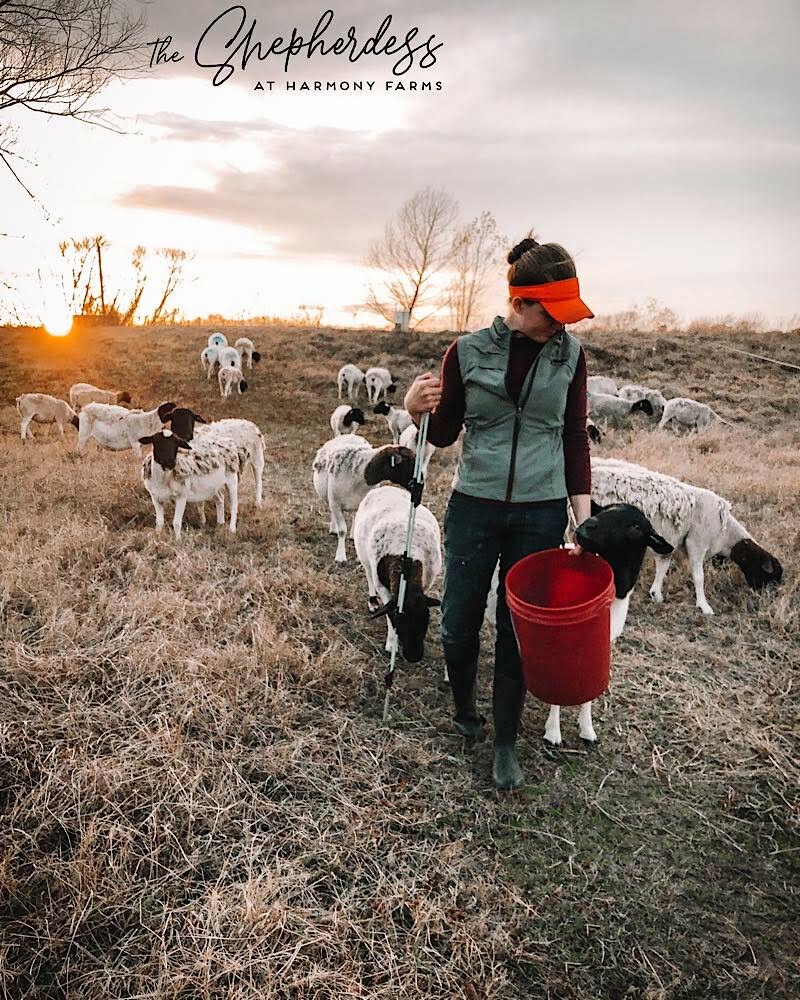
“Now there were in the same country shepherds living out in the fields, keeping watch over their flock by night. And behold, an angel of the Lord stood before them, and the glory of the Lord shone around them, and they were greatly afraid. Then the angel said to them, “Do not be afraid, for behold, I bring you good tidings of great joy which will be to all people. For there is born to you this day in the city of David a Savior, who is Christ the Lord.”
Luke 2:8-11
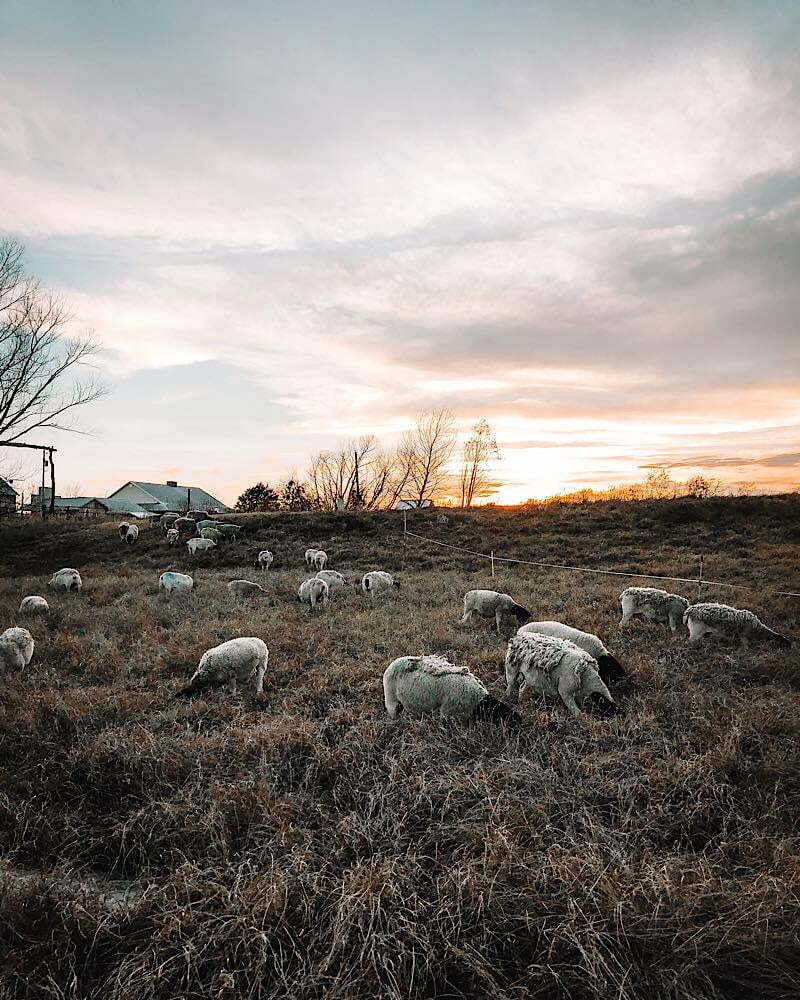
It’s pretty amazing to me that the Lord allowed a group of humble shepherds to be the FIRST recipients of the greatest announcement the world had ever known:
“For there is born to you this day in the city of David a Savior, who is Christ the Lord.” Luke 2:11
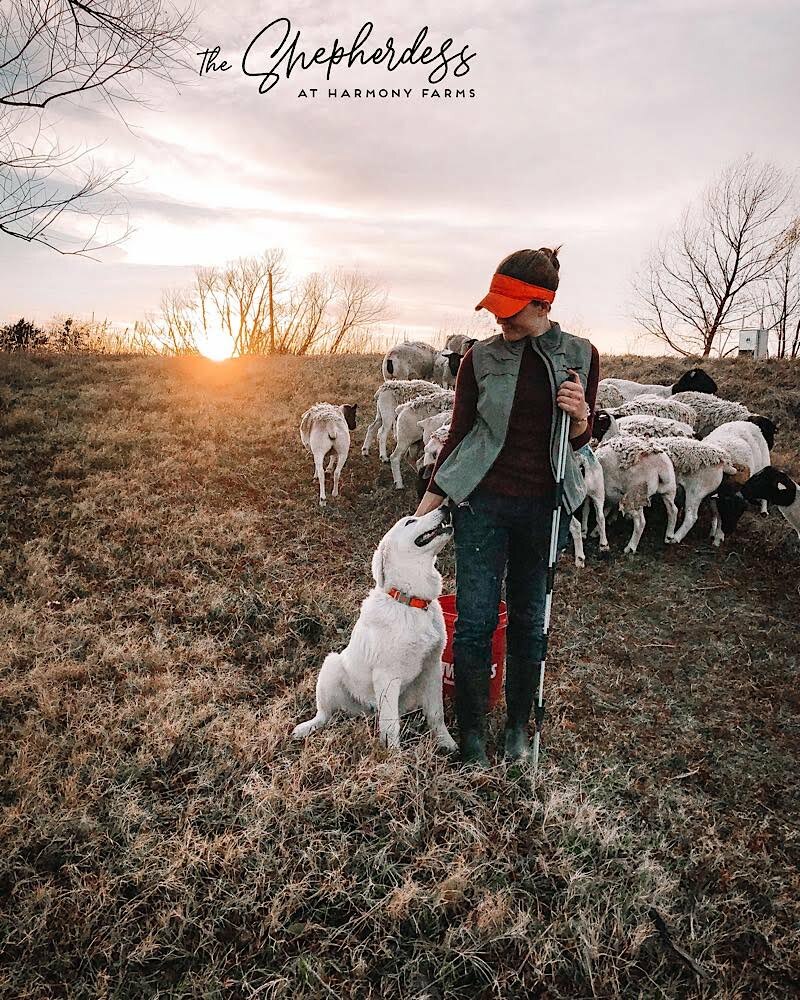
I hope you have a Merry Christmas. Thank you all for your support. ❤️
-the Shepherdess
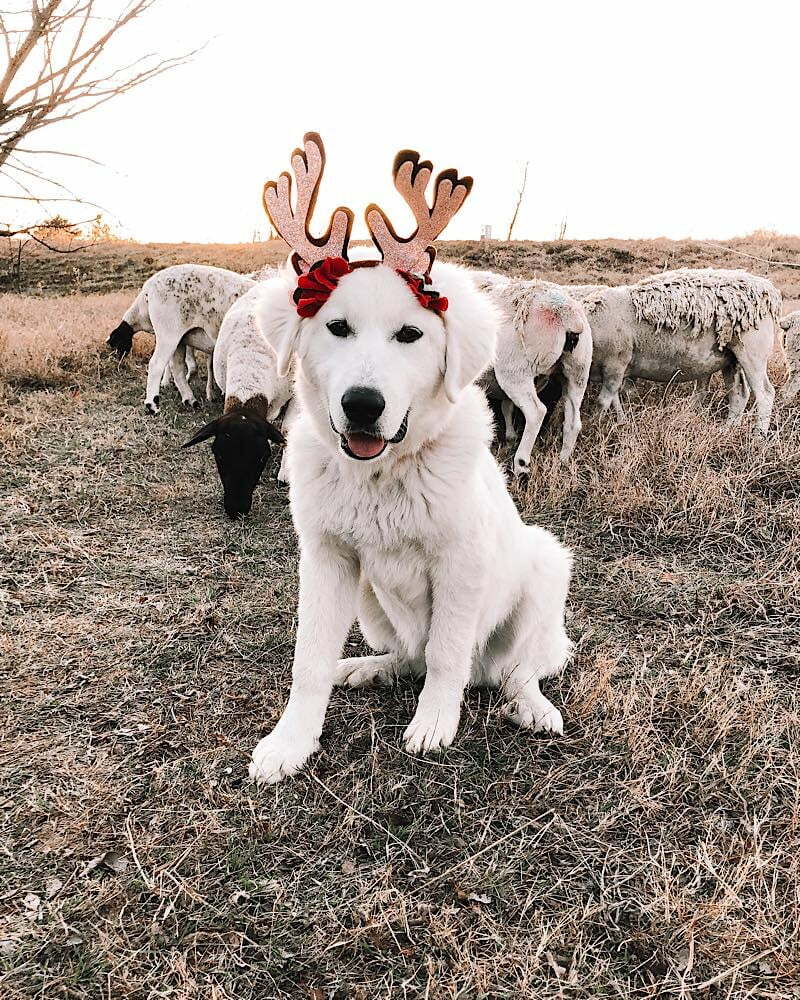
PS: I tried to convince the sheep to wear the ears… but they wouldn’t have it. Art was happy to oblige ;).
HOW SHEEP EARN ME 400% MORE THAN COWS
December Farm Update
Hello Friends,
Last year was my first winter on pasture. I had just started grazing my flock in August and winter was an unwelcome arrival. I didn’t want the growing season to end… I wanted to keep moving forward at full throttle.
This year is an entirely different story. After an intense spring and summer, I am welcoming the slowness of the winter season with open arms. The Lord knew what he was doing with the seasons. A season of rest after a season of growth is such a beautiful thing! I hope you enjoy this farm update, and MERRY CHRISTMAS if I don’t talk to you before then :).
The Good:
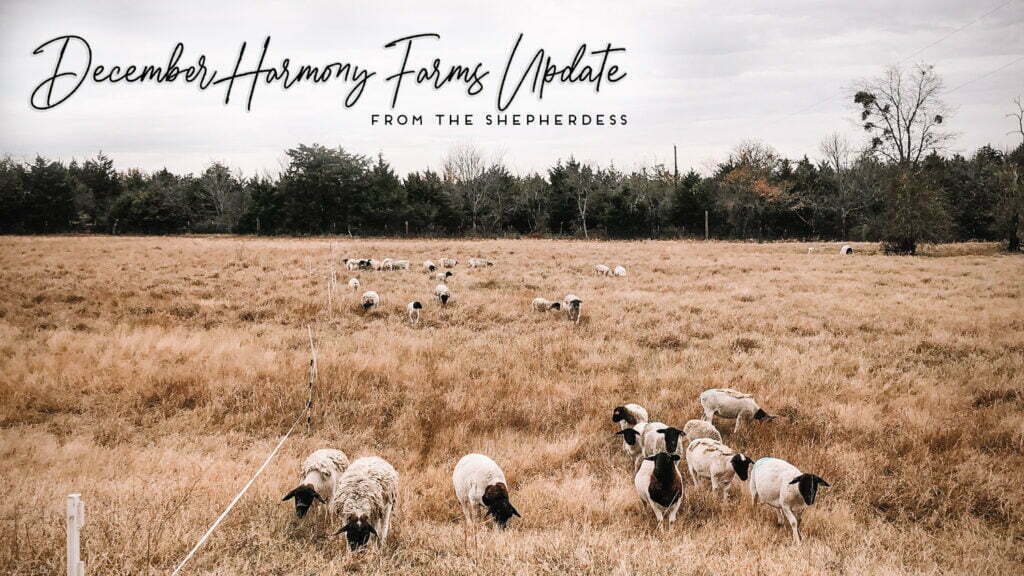
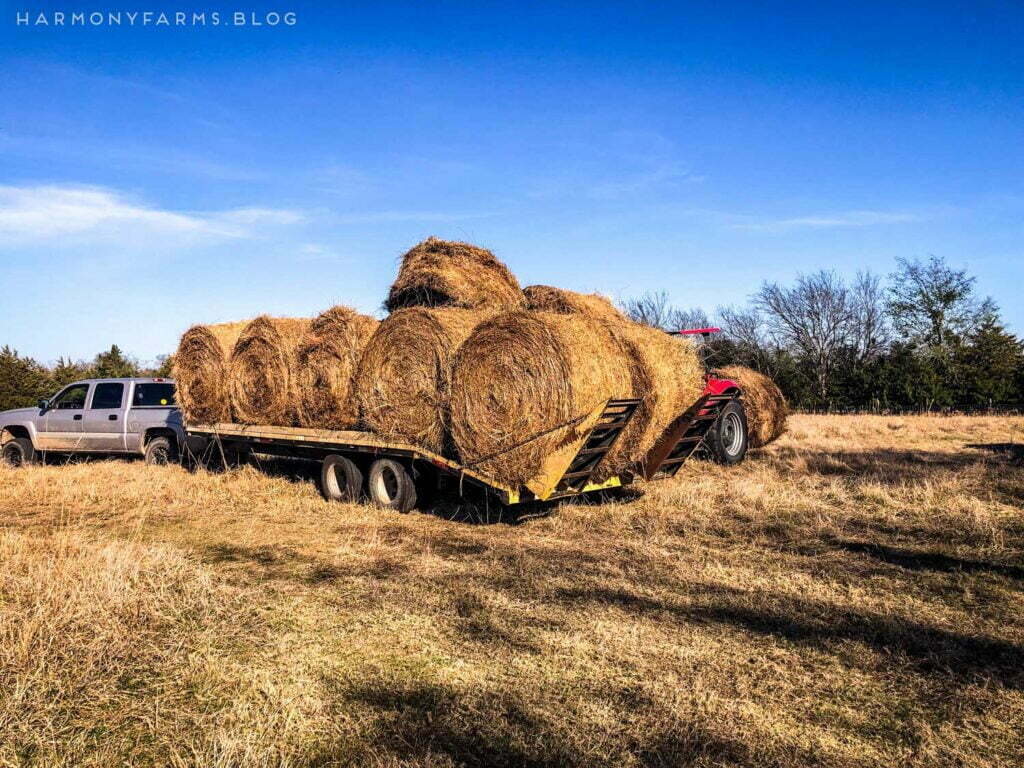
We are grazing winter stockpile right now. Despite the fact that my warm season grasses got the upper hand this summer, there is a ton of green undergrowth. If my paddock-planning plays out well, I should be able to graze stockpile through January 10th. Come January 10th, we will be feeding hay until the growing season kicks off in mid March.
The Challenging:
You may have seen the video on youtube, but I had a couple of losses during a weekend of freezing rain that swept through. I lost two ewe lambs over that weekend. While this is disappointing, there was more to it than the freezing rain. These two lambs had moms that did not produce good first-milk (colostrum). I had been doctoring them all Summer in hopes they would pull through. Unfortunately, the moment the weather turned south, they were gone. Despite all this, my losses have been really low in 2021, so I am extremely grateful.
Thanks for reading this farm update! I really appreciate you being a part of what I am doing at Harmony Farms.
-the Shepherdess // “Know that the LORD, He is God; It is He who has made us, and not we ourselves…” Psalm 100:3
YOU’RE INVITED!!!

YOU’RE INVITED TO THE SMALL FARMER VIRTUAL CHRISTMAS PARTY!!!!
DECEMBER 9TH at 7PM CST!!!
••••WE’VE GOT THE FOLLOWING ON THE ITINERARY•••
🎁CO-HOSTING The North Pole’s leading advocate for holistic management: Eli Elf // @Mackfarms .
🎁Regenerative-ag TRIVIA for prizes!!!
🎁Virtual Ugly Christmas Sweater Contest.
🎁1-1 LIVE CHAT with Small farmers worldwide.
🎁 AND MORE!!!
.
PLEASE JOIN US!!!
This will be a LIVESTREAM where you can interact LIVE with other small farmers for a whole hour. Share SKILLS, RESOURCES, and encouragement! Ask questions and build relationships with fellow food growers. 🌱
.
INVITE A FRIEND AND JOIN US!
.
If you are not yet a farmer, YOU ARE 100% WELCOME. It will be a great opportunity to get to know the community and ask questions!
.
Attendees are required to keep it family friendly. Inappropriate conversation and/or 4-letter words will be muted.
.
Hope to see you there!
-the Shepherdess
Full Time Farmer with Only 20 Acres!!
ARE SHEEP PROFITABLE? Why I Chose Sheep Over Cows for My Farm Business
Are sheep profitable? Are sheep more profitable than cows? Why did you choose sheep over cows? If I start a sheep farm, how long will it take to become profitable?
I receive these kinds of questions regularly. Unfortunately, the answers will be different for everyone and you have to find the answers for yourself, based on your own research. In farming there are so many variables: geographic location, natural resource, human resource, and most importantly, what your local market will support (aka, who is going to buy your farm goods). And even after all of this research, there is a fair amount of risk involved.
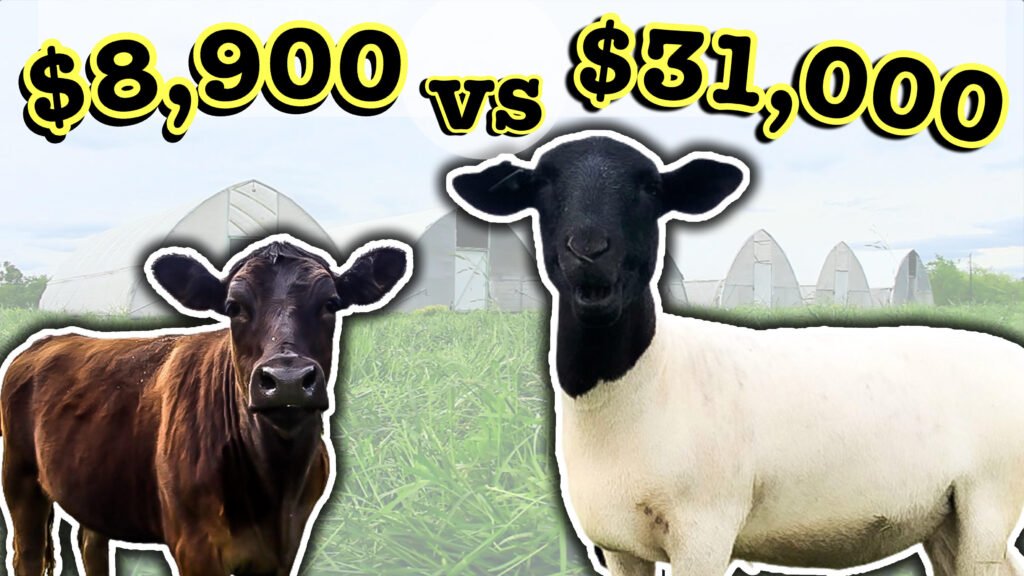
In my context, Lord-allowing, sheep present a projected gross revenue that is approximately 400% greater than beef.
I am going to walk you through the evaluation process that lead me to choose sheep instead of cows for my farm business. I am going to share some of the pros and cons of sheep vs. cows. I am going to highlight the profit-killers that sheep farmers wrestle against. Finally, I am going to walk you through a real-time example of how sheep offer a 400% greater revenue potential on my small acreage farm than cows do.
Sheep vs. Cows:
| Sheep: | Cows: |
| ❌Need daily monitoring. | ✅Can be left alone for weeks on end. |
| ❌Easily killed by predators (defenseless). | ✅Can largely defend themselves. |
| ❌Frequently die of parasites. | ✅Rarely die of parasites. |
| ❌Require more expensive fencing. | ✅Require less expensive fencing. |
| ❌Lambing must be monitored closely to avoid significant mortality. | ✅Calving typically requires minimal monitoring (heifers being the exception). |
| ❌Need regular hoof care (unless terrain is rocky). | ✅Do not need regular hoof care. |
| Sheep: | Cows: |
| ✅Wean their body weight equivalent in offspring every year. | ❌Wean 1/2 their body weight equivalent in offspring every year. |
| ✅Begin reproduction as early as 9 mos. | ❌Begin reproduction at 14 months. |
| ✅Raise twins and triplets. | ❌Raise singles (twins generally do not thrive). |
| ✅My Dorper sheep cost $10 per head to overwinter. | ❌My beef steer cost $150-250 per head to overwinter (cost hinges on availability of stockpile forage). |
| ✅Easy to grass-finish on low-moderate pasture quality. | ❌Require high quality pasture for a high quality grass finish. |
| ✅ $3/lb 2021 USDA Market Average. | ❌$1.8/lb 2021 USDA Market Average. |
| ✅Market prices not as easily manipulated. | ❌Market prices easily manipulated by systemic and political factors. |
| ✅Thrive in drought (*at least my Dorpers do). | ❌Must be destocked in drought. |
In short, sheep require significantly more time and human resource than cows. You have to be a shepherd in order to be successful with sheep. If you are willing and able to undertake the role of shepherd, sheep reproduce twice as fast as cows and bring almost twice as much at U.S. cattle auctions than cows. Sheep thrive on pastures that would starve a cow and are a drought-resistant cattle option.
How do I determine profitability? I make sure all costs are counted and revenues exceed costs. But here is where I have to be honest: I am not counting the cost of my time at this point. I am giving my sheep business my time for free… and I have farm hands who donate 4-8 hours per week to help me with heavy lifting. If I were to put a price tag the amount of time I am giving this farm, I would probably not be profitable for 72 years. Just being honest here. But I’m in good company… this seems to be the story of every good rancher’s life.
Two major profit-killers for sheep farmers are PREDATORS and DISEASE.
Predators can wipe out an entire small flock in one night. Disease (internal parasites, vitamin deficiencies, hoof infections, etc.) is part of a fallen world and will always be present on some scale or another. Regenerative Agriculture will never completely eradicate death and disease. The health and protection of my sheep are actually things that I include in my regular prayers. They are profit-killers that only the Lord can protect me from.
Why did I choose sheep over cows for my farm business?
The Lord opened doors to several different market streams:
About one week before I bought the flock I had a local grass-fed meat market contact me. They had seen my work with the flock on Instagram and called to discuss a recurring order for 40 lambs per year. This was the ultimate push for me: a serious meat buyer.
I had also begun to research the Dorper breed and found it was (and is) growing in popularity. I realized that this flock of 25 purebred Dorper sheep was a diamond in the rough. It held far more potential than lamb chops; live animals were (and are) in high demand. Thus, a second market emerged: breeding stock.
To top it all off, I had begun making videos about my farm work. I initially began this as a video journal for myself, but people started watching and enjoying my videos as well. This presented a third marketing and income opportunity: sheep-based education and entertainment.
In my area, there is significant competition for grass-fed beef:
Selling grass-fed beef was my initial plan for profit. I did some market research (google and farmer’s markets) and found there were already some well-established grass-fed beef producers in my area. I also live in a rural area where everyone grows their own beef. I knew it would not be impossible to carve out my own space in the market, but I realized it would take a lot more time to do so. What’s more is that pasture raised lamb was retailing at about 30% above grass fed beef. After this market research, sheep appeared a faster track to profitability.
Sheep presented higher revenue potential for my small acreage:
The best way for me to explain this is to build out my real-time example with the 23 acres of pasture I have. I estimate that with my intensive rotational grazing my 23 acres can support 10 animal units, or 10,000 lb worth of animal (**please know that I am approaching this number incrementally to monitor how my land responds to the animal load). I am going to build this out based on current USDA market prices for conditioned beef steer of 550lb and feeder lambs of 65lb.
| Sheep: | Cows: |
| 10,000lb = 80 Dorper Ewes | 10,000 lb = 9 Cows |
| 80 ewes = 10,400 lbs worth of saleable offspring in every year. | 9 cows = 4,950 lb worth of saleable offspring in every year. |
| Current USDA Market price is $3/lb | Current USDA Market Price is $1.80/lb |
| 10,400 x $3 = $31,200 | 4,950 x $1.80 = $8,910 |
| ✅Estimated Gross Revenue Potential: $31,200 | ⭕Estimated Gross Revenue Potential: $8,910 |
My gross revenue potential is higher than what is listed above for a few reasons: I am running purebred and registered full-blood breeding stock, I am marketing my flock through value-adding consumer education (videos), I am running grass-based breed selection (cutting input costs and improving the value of my breeding stock), and I am selling any meat products direct to consumer.
USDA Market Price Evaluation:
I advocate for private sales, but pricing for private sales are often dictated by USDA market (auction) values. As I reviewed USDA market prices for beef and sheep, I realized that sheep were bringing almost double the price of beef cattle.
My lifestyle allows me to be a shepherdess:
I work from home, and have been doing so for 10+ years. I love being right here, at home on my farm. I have the ability to give my sheep the time they need. While I never would have imagined myself to be in this position, I love the farm work and farm life. I now understand why the aged farmers say “you have to love this life”. Some of the challenges you encounter will make you feel like you are cracking in half. No amount of money can make the stress worth it… but if you love something, you are willing to give it more than you’ll ever get back. And that is exactly the place I have come to as a farmer and shepherdess.
Sheep Offer Me a 200% Faster Return on Investment:
I will walk you through both a beef-to-market timeline and a sheep-to-market timeline. In order to generate sizeable revenue with a small beef herd, I believe that direct to consumer meat sales is the only way to go. That is what this evalutaion will reflect.
Journey to cash-flow with beef
(with a herd and not a stocker-steer operation)
- 9 months gestation.
- 22-24 months to harvest on a steer.
ROI (return on investment) for Beef = 33 months.
Journey to cash-flow with sheep
- 5 months gestation.
- 4 months to weaning and sale of breeding stock or 6 months to harvest of lamb.
ROI (return on investment) for Sheep = 9-11 months.
Two key elements that make sheep a better fit for my context are: I have time to be a shepherdess, and I am working on small acreage.
The bottom line of my journey is that I am farming sheep because the Lord has lead me to farm sheep. The Bible says that whatever your hand finds to do, do it with all your might. That why I am giving this effort all I’ve got... it’s not about money (TBH: I could make more money waiting tables right now). While I am doing my best to be wise and make decisions that may lend to profitability, I realize that the Lord is in control of profitability.
Farming is a humbling thing because it makes you realize how little you know. Despite these plans and evaluations, at the end of the day I am praying the Lord blesses my efforts. And that is my primary hope for profitability.
So that’s it! This is an explanation of why I chose sheep over cows for my small farm business. I hope I presented my evaluation in such a way that will help you to make the right decision for your farm.
-the Shepherdess
the story of Artaban

My Documentary for the National Grazing Lands Conference
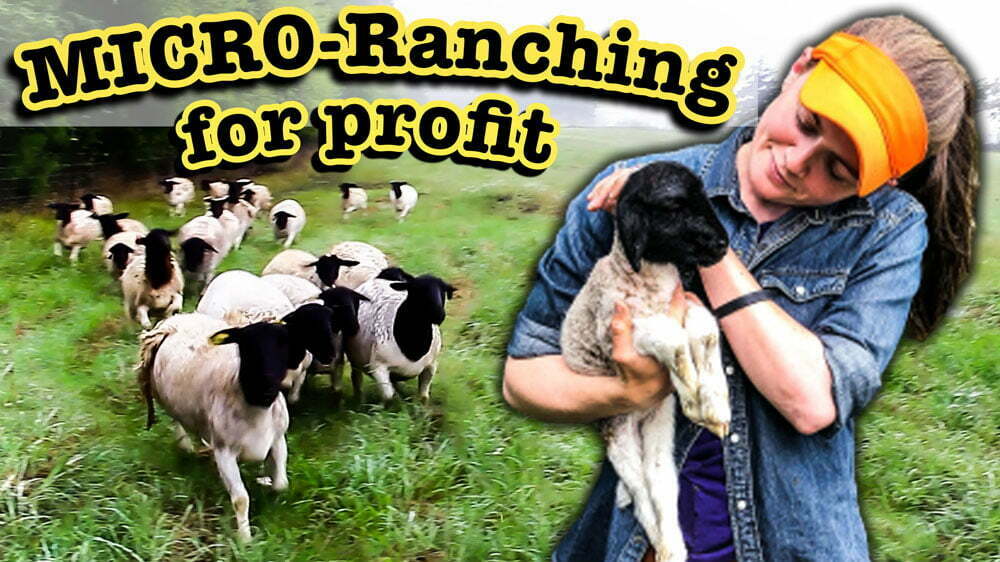
National Grazing Lands Coalition invited me to speak at their National Conference this year. While I am unable to attend the national conference in-person, National Grazing Lands allowed me to submit this video documentary on my small scale cattle ranching (to be aired at the conference)! This is a pretty complete summary of the past 18 months of my life as a beginner farmer. It outlines my micro ranching for profit startup, my transition from beef to Dorper sheep as the main focus in my farm business, and the ways I am marketing my farm products (Dorper sheep).
Video Timestamps:
2:54 Micro Ranching for Profit
14:20 Why did I switch from beef to Dorper sheep?
16:24 American Agriculture in Crisis.
20:04 How I am selling my farm products.
27:39 This is harder than I though it would be.
Thank you so much to all who have been with me on this journey from the very beginning. I am so grateful for your support of my Dorper sheep farm.
-the Shepherdess
WHY I FARM

Sheep Farming for Beginners
In Loving Memory
“Take care of your lambs, girl.”
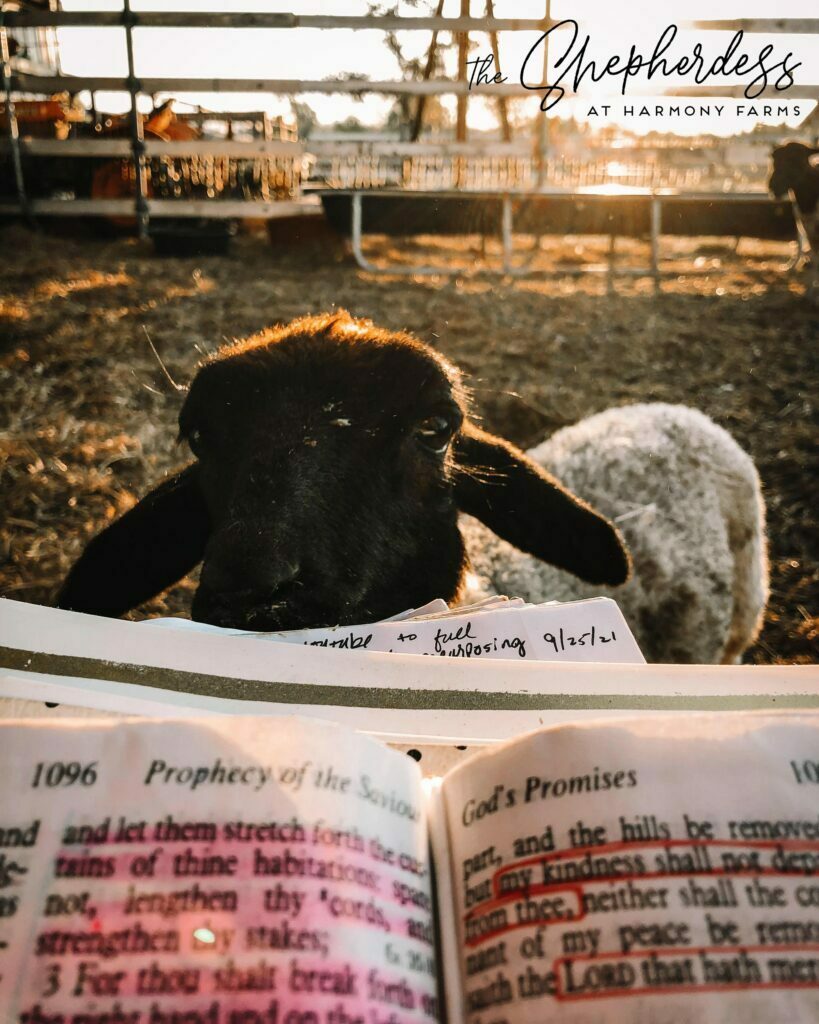
“Take care of your lambs, girl.”
Those were his last words to me.
My grandad passed away yesterday.
For the past few years he lived close to the farm.
He drafted plans for chicken coops, helped install sheep fencing, and would always tell me how good my flock looked. He loved lambing season and would daily ask “how many new ones today?”.
I am grateful for the time we had with him… but more than anything I’m grateful for the Gospel we were able to share with him. I want to share the following verses straight from the Bible and I hope you’ll take time to read them.
“For we ourselves also were sometimes foolish, disobedient, deceived, serving divers lusts and pleasures, living in malice and envy, hateful, and hating one another. But after that the kindness and love of God our Saviour toward man appeared, Not by works of righteousness which we have done, but according to his mercy he saved us, by the washing of regeneration, and renewing of the Holy Ghost; Which he shed on us abundantly through Jesus Christ our Saviour; That being justified by his grace, we should be made heirs according to the hope of eternal life.” Titus 3:3-7
Life is short no matter how long you live. If you know Christ, share Him with others; if you don’t now is the time to seek Him.
I’m going to be taking a week off of YouTube and social media. Small Farmer Virtual Meetup will also be postponed until December.
I’ll be spending the extra time with my family and taking care of my lambs :).
The Shepherdess at Harmony Farms
Major ANNOUNCEMENT!!

Announcing FARM ON THE WEB: the FIRST EVER VIDEO-STREAMING PLATFORM FOR FARM BUSINESS EDUCATION!!!!
Since I launched the Shepherdess YouTube and Podcast my marketing and business building content has been some of my most popular.
I get emails asking about tools, processes, and “where to start” when it comes to internet marketing.
For the past several months I have been working behind the scenes on Farm on the Web: a video-streaming platform specifically for Small Farm Business Education… the first of it’s kind (as far as I know, anyway!)!!
FarmontheWeb.com contains in-depth videos on:
➡️How to Launch a Newsletter
➡️How to Build a Website
➡️How to Sell Products on Your Website
➡️How to make Your Own Videos
➡️How to Advertise on Social Media
➡️…AND MORE!!!
I am thrilled about this platform, but ultimately YOU have to want this opportunity… I am looking for 20 registrants to support the launch…. 20 people to say “YES, this is something the farming community wants!”
Go check it out at FarmontheWeb.com… the FIRST 2 VIDEOS ARE FREE. Take advantage of the free content, then register if you like what you see!
-the Shepherdess
“So then neither he who plants is anything, nor he who waters, but God who gives the increase.”
1 Corinthians 3:7
“I want to raise cattle for a profit.”
“I want to raise cattle, and I want to make a profit at it.”
That’s what I told my family 18 months ago. It caused some confusion because I came from a desk job in the retail marketing industry (which is still my full time job).
Looking back, I think the fact that I had no experience in agriculture was more of a help than a hindrance. I believe what the Bible says in Phil. 2:13: “it is God who works in you, both to will and to work for his good pleasure.” The Lord gave me a desire, and He is also giving me creative opportunities to grow my farm business.
Here is a video I made sharing some of the ways I have diversified marketing for farm income this year:

-the Shepherdess
“So then neither he who plants is anything, nor he who waters, but God who gives the increase.” 1 Corinthians 3:7
FULL RECAP: 4 SEASONS OF ROTATIONAL GRAZING SHEEP
On August 15th 2021 I put what is now my flock of Dorper Sheep into an intensive rotational grazing program. I kept my sheep out of confinement and moved them relentlessly across 23 acres of pasture for 4 full seasons. What I did not expect, however, was that my first year of rotational grazing sheep would contain historically extreme weather conditions. In this post I am going to share with you how I (by the grace of God) managed my natural resources as well as a few minor inputs to keep my sheep on pasture for 358 of 365 days in my first year.
But why this obsession with avoiding confinement? For 2 years my family had owned this flock of Dorper sheep and their health had been an ongoing struggle. Internal parasites had taken over and we weren’t sure the flock would make it. When I began managing the flock I knew that in order to get the sheep’s parasite load under control 2 things had be avoided at all costs: confinement of any sort and allowing the sheep to graze any paddock longer than 7 days.
Until I began the intensive rotational grazing program with the sheep, my family would move the flock to a gated paddock to sleep at night. This was to keep predators at bay. Unfortunately the predators within this sleeping area were more harmful than the ones outside of it. This gated area contained a significant amount of grass that could be grazed. This, combine with the pile up of manure from bedding down every night meant the flock had a huge amount of daily exposure to parasites. So we took the risk and stopped using the gated coral at night, leaving the sheep in their pasture paddocks. (**Sidenote, we have not lost any to predators this year. This is likely the result of a lot of prayer, a tight woven wire perimeter fence, and 3 mid-large size pet dogs that bark all night).
So with a bit of the “why pasture only” answered, I am going to jump straight into how I managed my Rotational Grazing System to keep my sheep on pasture for all 4 seasons.
Here are three resources that proved invaluable in my first pasture rotation:
Strategic use of paddocks with tree coverage.
Lean-to shed
Autumn:
Challenges: None to note.
As a rule, I make sure my sheep have shade from the sun when temperatures exceed 79 and shelter from the rain when they dip below 65.
I began my Rotational Grazing Program on the cusp of Autumn which was the perfect season to start with. Temperatures were cool enough to where I could paddock the flock without shade, yet warm enough to where I did not need to worry about too much cover for rainfall.
Winter:
Challenges: Rain, ice, off-season lambs, and historic snowstorm.
Resource management:
- Use of lean-to for bred ewes and off season lambs during 7 day snowstorm.
- Avoidance of low-lying swampy areas (cold and wet are killers when it comes to off season lambs).
Inputs:
- Feed for overwintering (which I actually went way overboard on!)
- Bedding for one week of shelter.
In east Texas our winter is not extreme, or at least it was not until the week of February 15th. Thanks to winter storm URI we received close to 11″ of snow and ice, which was more than this area of the country had seen in 30 years. We toughed it out during the ice, but I ultimately pulled the flock off pasture for 7 days during the snowstorms and housed them in a lean-to style shed that we have on property. I was asked what I would have done if I did not have the shelter for my sheep. I would have left them on pasture and moved them to the most dense tree covered area I had. The ewes were heavy bred, and some may have miscarried if I did not have the shelter. It was not as much the weather that would have caused the stress, but the sudden shift from 65 degrees to sub zero and 11″ snow fall.
Spring:
Challenges: Lambing during abnormally high rainfall, leaving lambs on pasture during extreme thunderstorms, managing parasite loads, and hoof care (the pasture was a puddle from February-July which is not good for sheep hooves).
Resource management:
- Using the forecast to decide where to paddock my sheep.
- Planned moves to paddocks with dense tree coverage for the days when intense thunderstorms were scheduled.
- Using paddocks on high ground when rainfall exceeded 5″ in one week.
Inputs:
- Loose minerals.
- Hoof care.
- Dewormer.
This spring took a lot of forward thinking to keep the flock on pasture 100%. Using the forecast I moved the flock to high ground and/or tree coverage when significant thunderstorms were on the radar. When the forecast showed cloudy but no rain, I would graze the paddocks that had no shade whatsoever (this was a bonus because during the summer I would have to skip or haul shade to those paddocks). During significant downpours the temporary shade structures were put way and I made sure every paddock had significant tree coverage. My pastures are really open, so at some points I actually ran out of tree coverage. At those points in time I would open up the back fence onto a previous paddock to allow them shelter in an area from a previous day.
Summer: Extreme uptick in heat (108 heat index for 10 days straight), providing enough shade, watering, managing over mature forage, treating a selenium and electrolyte deficiency in the flock, and providing a small protein supplement on pasture to compensate for over-mature forage and low-rainfall.
Resource management:
- Enlarging my paddock sizing to provide more natural shade and allowing the flock more selectivity in grazing and allowing me closer access to watering points.
Inputs:
- Loose mineral + Selenium Specific Mineral.
- DIY portable shade structures.
- Vitamin/protein/electrolyte recharge.
- Small protein supplement to compensate .
Every season is going to hold both challenges and reprieves. The is to not wish away one season for another, but work day to day to produce solutions.
-the Shepherdess
“I can do all things through Christ which strengtheneth me.” Phil. 4:13
Regenerative Farmers Worldwide

Here at Harmony Farms I rotational graze my sheep, perform small scale pasture plantings, and (thanks to my sister the Chicken Lady) run a live pasture fertilization program. These are the ways that I am practicing regenerative agriculture on a small scale. All of the aforementioned efforts are aimed at improving soil quality across my 23 acres.
Today, however, I am highlighting Regenerative Farmers Worldwide. These farmers are small-scale growers, doing what they can with what they have. These farmers are working with land, animals, and crops to improve soil quality.
Why all the emphasis on improving soil quality? The improvement health is the backbone of regenerative agriculture. The practices we implement on our farms all tie to one question: “will this improve or destroy the soil?” The following stat from globalagriculture.org shows both the value of healthy soil and the danger that it is in:
“Our most significant non-renewable geo-resource is productive land and fertile soil. Each year, an estimated 24 billion tons of fertile soil are lost due to erosion.“
globalagriculture.org
Below is “the Shepherdess Top 5” Regenerative Farmers of the month! I put no emphasis on the size of a regenerative farming operation. In this community it is the faithful stewardship of resources, not output volume, that makes a successful farmer.
Friendly Flock, cevennes, Valleraugue, France:
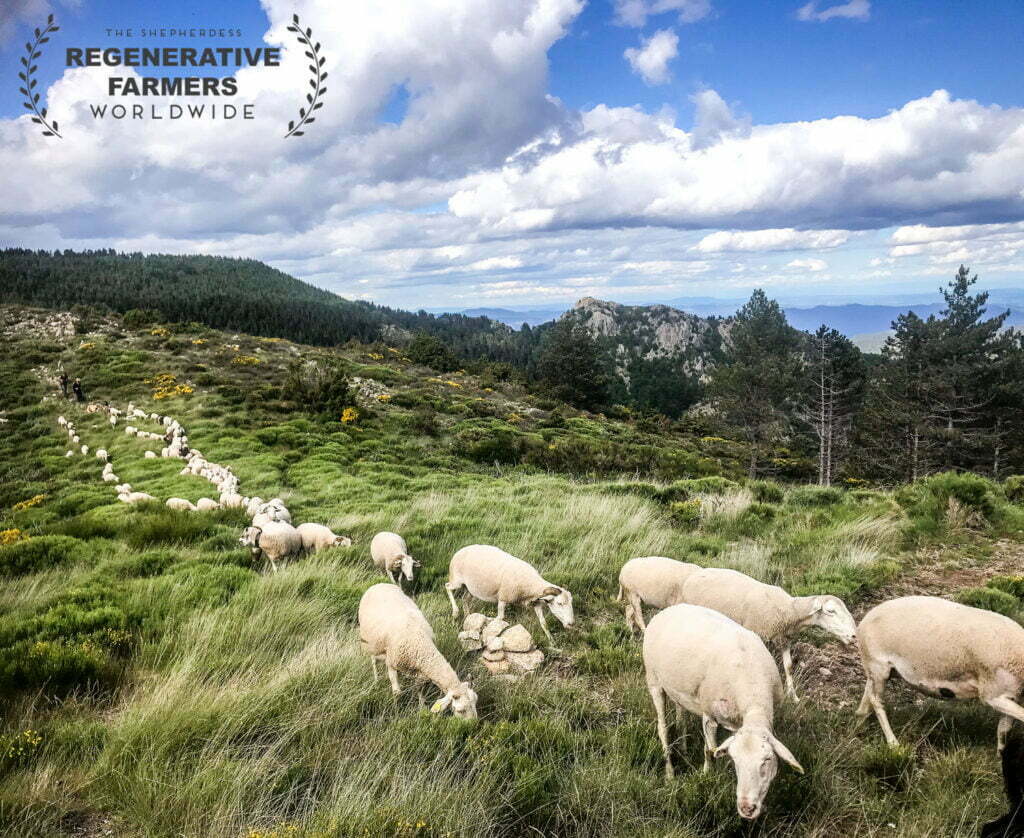
We have a small farm with 120 sheep 7 goats and 1 cow, all grazed as one herd! We herd the sheep in the hills where you can hardly do any fence. We use Holistic planned herding and principals to guide the sheep. We herd them everyday to fresh grass and give long recovery periods for the grass (1year plus). This extended rest period is given because growing conditions are harsh and the soil is very degraded. We started this year and we want to sell lamb of exceptional quality. Our goal is to give ecosystems the space to completely express themselves and to restore water,mineral and energy cycles. We also change where the sheep sleep (every 3 days) to create high impact and a lot of dung. The places we change every year to increase fertility of the land. We have a website: friendlyflock.fr Our goal is to sell all our products online and via shipping directly to clients.
Currently growing: sheep, goats, cows.
How are you improving soil health on your farm?: Rotational grazing.
Learn more about the farm: friendlyflock.fr
Lady’s Farm, Eastern Kentucky, USA:
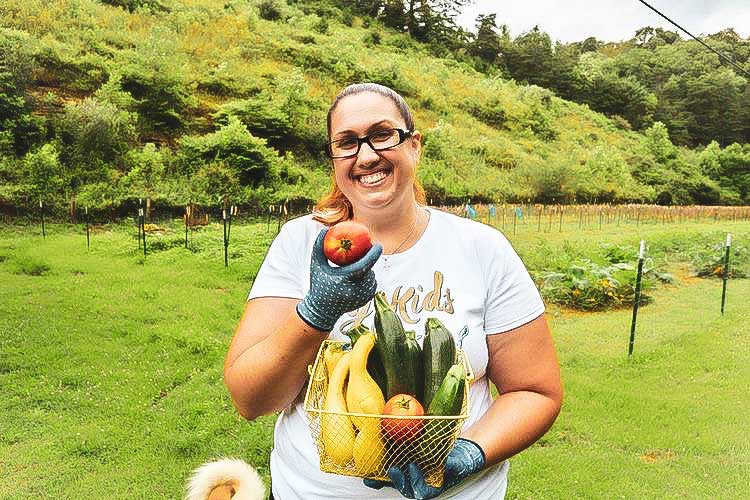
Currently growing: Two major gardens (at rest for the remains of the season), chickens, and pigs.
How are you improving soil health on your farm?: We are using chicken and pig manure, cover crops and future plans of a no till garden.
Learn more about the farm: Lady’s Farm on Instagram
Holland Harvest, Honey Grove, TX, USA:
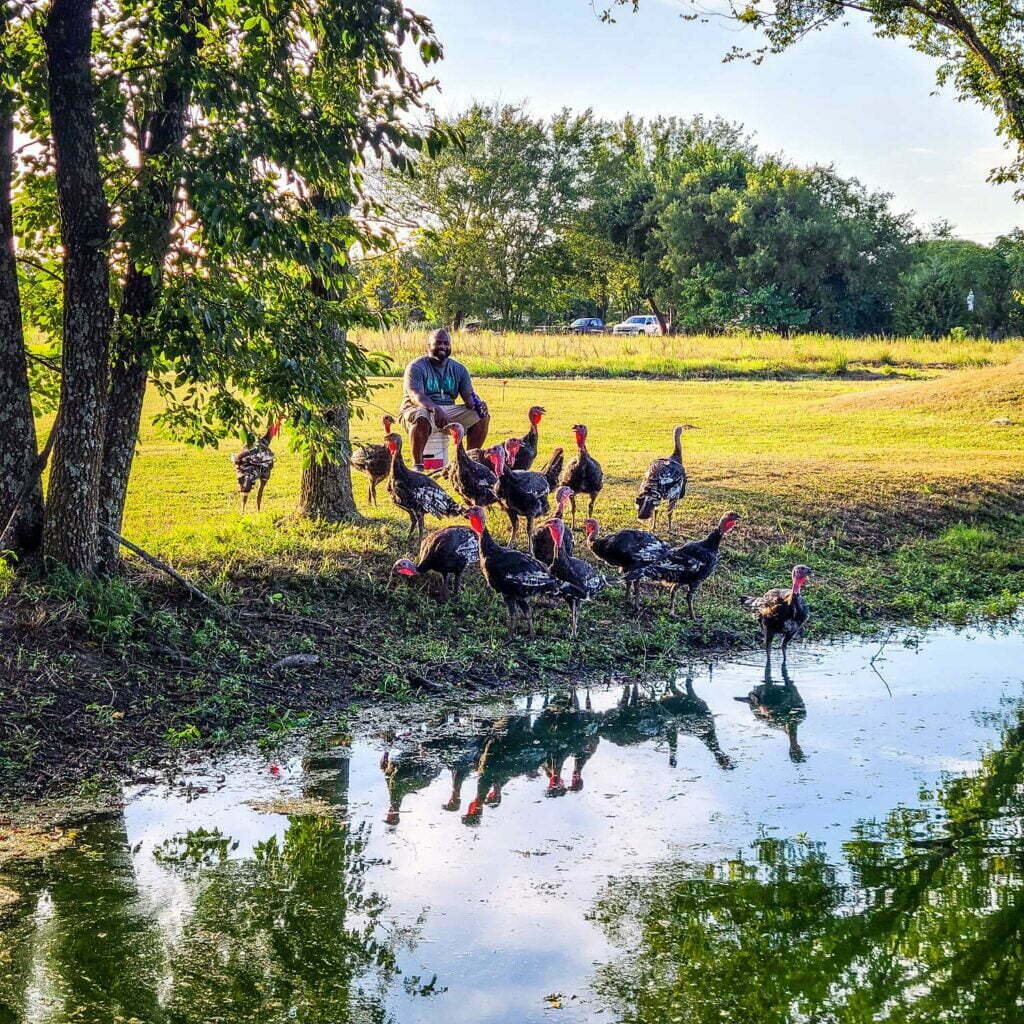
Currently growing: small garden, turkeys, egg layings chickens.
How are you improving soil health on your farm?: Animal grazing rotation.
Learn more about the farm: Holland’s Youtube Channel
de Beer Family Farms, Brooks, GA, USA:
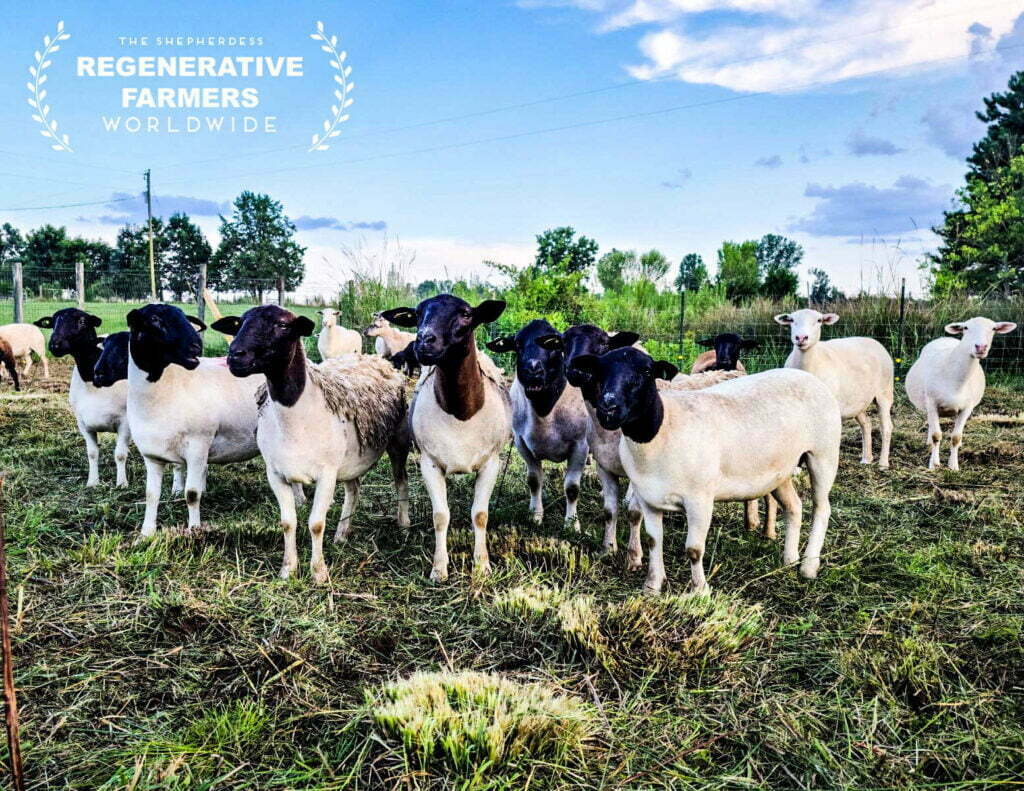
My name is Taylor de Beer and my husband Hendri and I own de Beer Family Farms! We have a small farm in Brooks, GA. Currently we have a flock of Fullblood Dorpers, Katahdins, Cornish cross meat birds, and a large variety of free range chickens. When we moved to our property 4 years ago, there had not been any livestock on the property for quite some time. There was very little variety vegetation wise. Now, we have been rotating our sheep everyday, with the meat birds following after them in chicken tractors. We also hand seed different seed mixes of what is in season before the sheep graze so they trample them into the ground. It’s been amazing to see the change in our soil and the variety of grasses, legumes, etc that have grown since we started with sheep a short 16 months ago. The dung beetles have been amazing this year, a section the sheep have been on 2-3 days beforehand will be almost completely void of any dung. We have just started with the meat chickens, so we are looking forward to seeing the impact they have on the soil, by following the sheep.
Currently growing: Dorper and Katahdin Sheep, Cornish cross meat birds, and a large variety of free range chickens.
How are you improving soil health on your farm?: Rotational grazing sheep, raising broiler chickens, Hand seeding pasture grasses.
Learn more about the farm: de Beer Family Farm on Instagram
Groce Family Farms, Southern Indiana, USA:
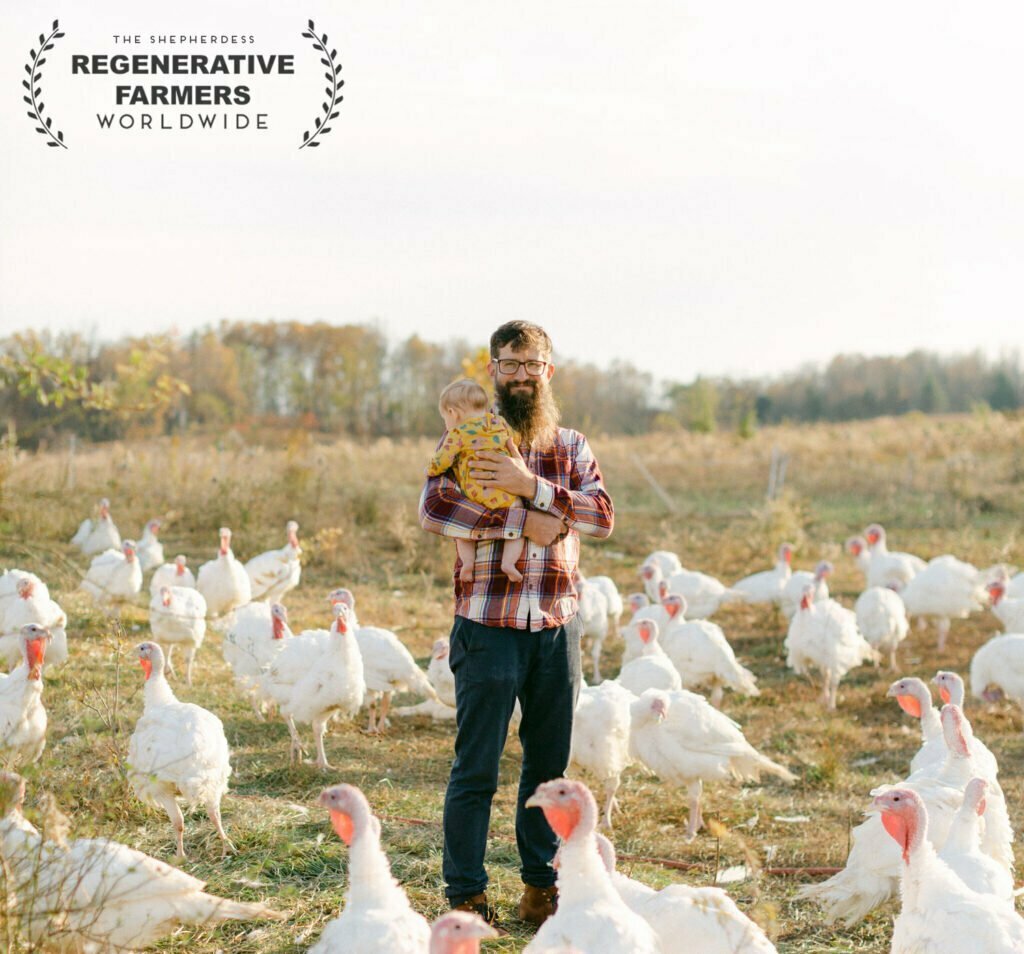
Groce Family Farm offers forest raised pork, open-pasture chicken duck and turkey, and 100% grass fed beef through our meat CSA and at farmers markets in the Louisville and Southern Indiana areas. We also work with restaurants and grocers as well. Along the way we added four wonderful children, learned a lot, and have grown in our understanding of how to raise abundant healthy food and interact with land in a way that brings about diversity, health, and flourishing to the whole system, from earthworms to eaters.
Learn more about the farm: https://grocefamilyfarm.com/
Currently growing: beef, pork, chicken, duck, and turkey.
How are you improving soil health on your farm?: Rotational grazing multiple species. Chemical-free land management.
Learn more about the farm: https://grocefamilyfarm.com/
If you would like to have your operation considered for my next Regenerative Farmers post, please email me with the following info:
Your Farm Name:
Where you are located:
What you are Farming:
One way you are working to improve soil quality on your farm:
Your farm’s website or social handle:
2-3 images from your farm:
Thanks for reading!
-the Shepherdess
“Know that the LORD, He is God; It is He who has made us, and not we ourselves; We are His people and the sheep of His pasture. ” Psalm 100:3