How to Breed a Low-Maintenance Sheep Flock (My Simple Record-Keeping System)
In this post, I’m going to walk you through the simple record-keeping system I use to manage and improve my small flock of sheep. This system is designed for flock sizes anywhere between 6 and 100 — small by industry standards, but large enough that organization truly matters.
I’ll cover:
- My ear-tagging guidelines
- What information I track
- How I organize those records
- And how this system helps me breed a low-maintenance, resilient flock year after year
If you raise sheep or goats, I want to encourage you to download my FREE Beginner Shepherd Resource Bundle. It’s an ebook that covers the three pillars of success with small ruminants:
- Raising sheep
- Rotational grazing
- Marketing sheep for a profit
Click the first link in the video description, and I’ll email it to you for free.
A Quick Disclaimer
This is my system, and it works extremely well for my style of grazing and flock size. If you have variations, additions, or ways to improve upon it, share them in the comments — your insight might help someone else refine their own system.
Context: Why My Record Keeping Is Simple
My flock is still under 100 sheep, and after five years of culling hard for low-maintenance genetics, I simply don’t have many health issues to track anymore.
In the early days, I kept more detailed notes because… well, there were more problems.
But today, my sheep are extremely low-input, so my record keeping is:
- Simple
- Cheap
- Effective
All I use are three tools:
- Ear tags
- A daily planner
- Google Sheets
That’s it.
1. Ear Tags: The Foundation of My System
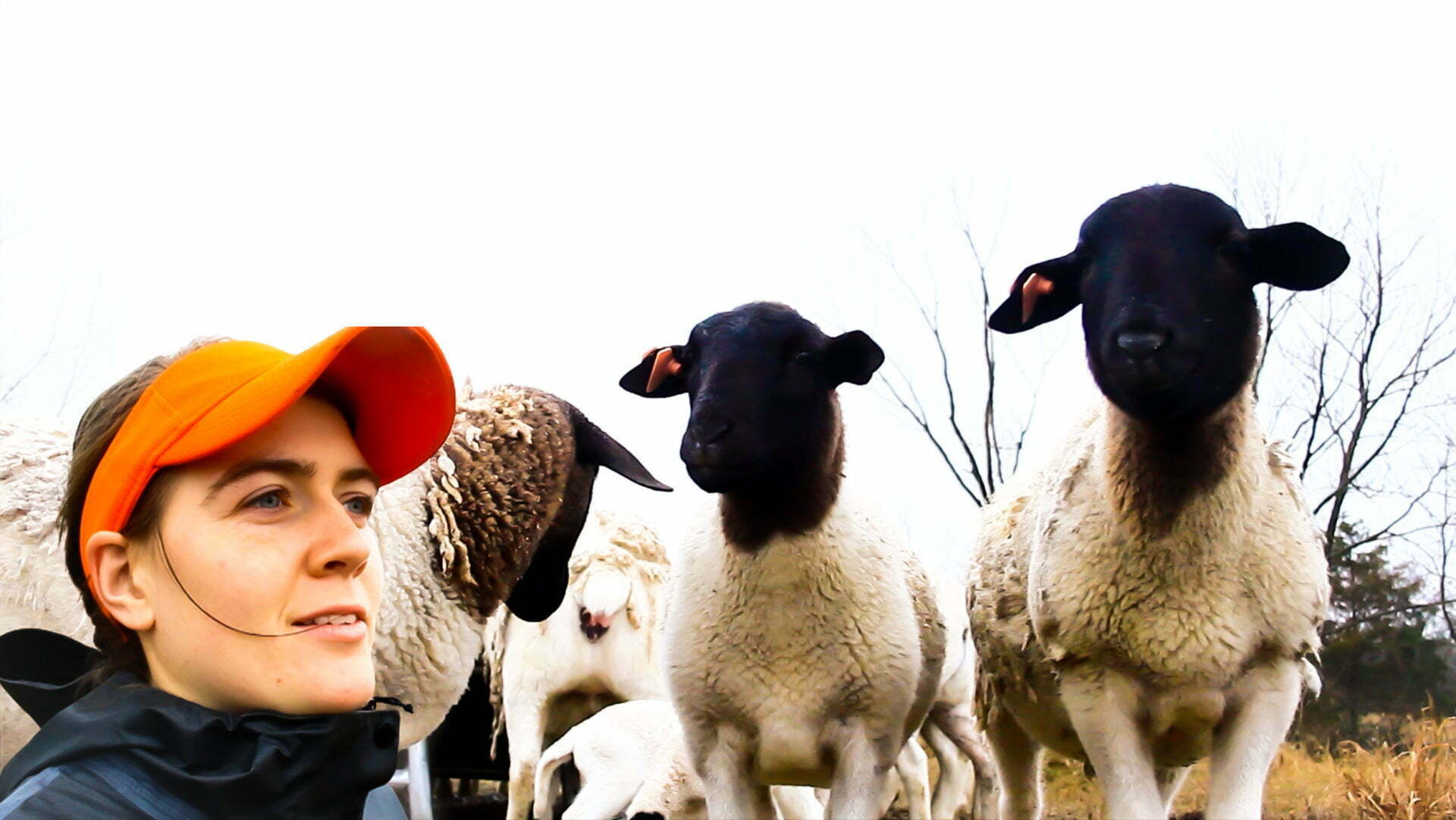
Everything starts with tagging lambs at weaning. I use simple Allflex ear tags (orange is my favorite color for visibility).
My numbering system always begins with:
- The year, followed by
- A sequential number starting with 01
Example:
If I have 70 lambs born in 2025, the tags will run from 2501 to 2570.
Tagging by year is incredibly helpful because I can look at any ewe and instantly know her age. That matters when evaluating health issues — an eight-year-old ewe with minor ailments is not the same concern as a two-year-old with recurring problems.
2. The Daily Planner: Where Raw Notes Live
My daily planner is where I jot down everything as it happens. The types of details I track include:
- Births
- Deaths
- Ailments (hooves, worms, limping, etc.)
- Treatments or supplements of any kind
- Breeding details:
- Ram joining dates
- Removal dates
- First lambing date
- Last lambing date
Whenever possible, I reference tag numbers. For example:
- 1909 had twins on the 5th
- 2304 was limping and needed Hoof & Heel
These quick daily notes become the raw material for my long-term tracking.
3. Google Sheets: The Master Record
Once per month (or sometimes once per quarter), I take all those daily planner notes and enter them into my Google Sheet.
My setup is simple:
- One tab per sheep
- Notes added line-by-line throughout the year
This sheet becomes my end-of-year evaluation tool. Each winter, I cull the bottom 10–20% of the flock based on the data in this spreadsheet. The “bottom” sheep are the ones who:
- Required the most deworming
- Needed frequent treatments
- Struggled with feet or condition
- Needed supplementation that others didn’t
By reviewing each sheep’s tab, the top performers rise to the front, and the bottom performers become obvious.
This is the backbone of how I improve my flock every single year.
Why This System Works
This method is:
- Low cost
- Beginner-friendly
- Highly effective
- Scalable up to around 100 ewes
Most importantly, it keeps me focused on breeding a flock of sheep that thrives with minimal intervention. My system doesn’t reward the sheep that need the most help — it highlights the ones that do well naturally.
That’s how you build a low-maintenance flock.
And if you’re curious about the real costs of raising sheep, be sure to watch the next video — The 15 Costs of Raising Sheep.