 by
by Looking to raise Dairy Goats naturally and with no chemicals? This article is the guide for you! With the right management, dairy goats make an ideal milk source for a small-scale homestead operation.
CLICK TO DOWNLOAD THE TOP 10 TAKEWAYS PRINTABLE!
Raising Dairy Goats Naturally (Beginner Guide)
the Shepherdess: Tonight we’re going to be talking about raising goats, primarily with a focus on dairy. Much of this will also apply if you’re raising meat goats, and quite a bit of it overlaps with raising sheep.
Deborah Niemann authored this incredible book, Raising Goats Naturally, which I’ve been enjoying over the past month. Definitely grab yourself a copy.
Tonight, we’re going to be covering some frequently asked questions from beginners getting into dairy goats. We have a lot of questions lined up, so please pardon me while I jump right in. But before we get started, go ahead and drop in the comments where you’re joining us from—what state you’re in—and let us know whether you already own goats or if you’re just here for a beginner-level primer.
So, you touched on it a little bit already—the lifestyle drew you in. But why dairy goats? Why dairy goats specifically?

Deborah Niemann: Oh, I always say it was love at first bite. I had goat cheese for the first time in college, and I just loved it—but it was expensive.
So when we started talking about moving to the country, I thought, “I need to have goats so I can have goat cheese.” And I really thought that’s all I was going to get from them—just the goat cheese. That’s how badly I wanted it. I thought you needed cows for everything else dairy-related, and that we’d just be making chèvre—soft, creamy, spreadable cheese.
But after we got goats, I realized, oh my goodness, this milk makes amazing yogurt! At last count, we had made 18 different kinds of cheese. We’ve made buttermilk, sour cream—the only thing I’m not a big fan of is goat butter. But everything else? You don’t need cows for it.
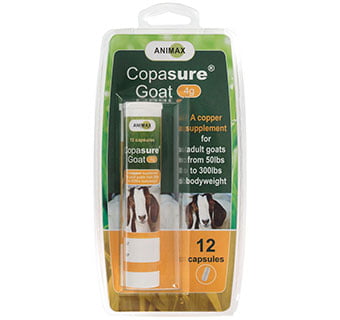
Copper Deficiency in Dairy Goats
the Shepherdess: So what were some of your primary challenges as a beginner raising dairy goats in those early days?
Deborah Niemann: In the beginning, it was actually really easy. The first two years were definitely this magical honeymoon period where everything just went perfectly.
We made goat cheese, yogurt, kefir, goat milk soap—everything worked. The goats gave birth, the kids jumped up and started nursing. There were no problems whatsoever.
But then, after two years, I bought a little buckling and brought him home. Within two weeks, he died. When he went down, I rushed him to the university vet hospital, and he died there a couple of hours later. We found out it was worms. This was back in the early 2000s.
The vet told me I needed to be giving the goats a dewormer monthly. I really didn’t want to do that, but after losing an animal, you think, “Okay, this is terrible—I’ll do it.” So I gave them dewormer monthly. But then, four months later, two more bucks died.
Parasites became a massive problem, and we wound up with complete dewormer resistance. None of the dewormers worked anymore. All I could do was sit and watch the goats die. I tried everything—if someone said something killed worms, I tried it. All the different herbal dewormers—nothing worked. That was one of the biggest problems we faced.
The other major issue was copper deficiency. We had goats not getting pregnant, not staying pregnant, and giving birth prematurely. It was awful. The vets had no idea what was going on.
At the time, my oldest daughter was 16 and interested in becoming a vet. She did a lot of research for me and said, “Mom, I think our goats might be copper deficient.”
I happened to be teaching at a university at the time, so I went into the scholarly literature and found some emerging research on goat nutrition. It turns out goats do need copper.
I kind of feel like I started back in the dark ages, when everyone thought goats were just like sheep and didn’t need copper. That wasn’t true. And in our case, it was a triple whammy: the goats weren’t getting minerals, their feed didn’t have enough copper, and our well water had sulfur in it—a terrible copper antagonist.
the Shepherdess: Mm-hmm.
Deborah Niemann: So they had it as bad as they could get it. Finally, when one goat died, I told the vet I wanted her liver tested for copper. He said, “You’re wasting your money.” I replied, “Well, it’s my money.”
He came back and said the copper level should have been between 25 and 150—it was four. Four. I couldn’t believe she had even survived as long as she did. She left behind two kids who were only two months old and horribly copper deficient. One of them I struggled with for four years before she eventually died of mastitis and pneumonia.
the Shepherdess: When you found out about the copper deficiency, what were the symptoms that first tipped you off—or your daughter off—that this might be the issue?
Deborah Niemann: Copper is really important for coat color in goats. I had heard that, and someone even mentioned it to me back in the old Yahoo group days—before Facebook.
They said, “I think your goats might be copper deficient, because their coats are really faded.” The black goats looked orange, and my gold goats were turning white or cream. I thought, “Oh, who cares? That’s just cosmetic.”
What I didn’t realize was that if it gets worse, it becomes more than cosmetic. That’s a major sign.
Then they start losing hair in very specific places—like the tip of the tail, the bridge of the nose, and around the eyes.
As it progresses, you’ll see fertility issues: goats not coming into heat, having silent heats, not getting pregnant, not staying pregnant, and even giving birth prematurely.
the Shepherdess: Once you identified the problem, how did you go about fixing it? Some people in the comments are asking—if they think they have this issue—what should they do to supplement copper?
Deborah Niemann:
So there’s a couple different things. First thing I did was I got copper oxide wire particles. Some people refer to them as copper boluses.
the Shepherdess:
Mm-hmm.
Deborah Niemann:
So that’s what I started with. And then after a few years, Yvette suggested that I try MultiMin—and I did. What he didn’t know, and what I didn’t know, is that when you inject minerals into a goat, they pee out a lot of it within 24 hours.
So… three months after I gave this buck an injection of MultiMin—it was supposed to last six months—three months later, he was dead. I’m sitting there looking at him going, “I don’t understand. He’s not skinny. He doesn’t have worms. What is wrong?”
And then all of a sudden it clicked. I’m like, “Oh my goodness. He’s completely faded.” He was supposed to be this bright red goat, and he had faded to this light, creamy yellow.
That was one of my crazy stories from the early days. My daughter and I cut out the liver and sent it to a lab ourselves. It came back… the copper level was 15. It should have been between 25 and 150.
So that’s why I don’t recommend the injectable—because it doesn’t last long term.
the Shepherdess:
So you would do the copper boluses—which I actually have one on my desk right here—you’d do those instead?
Deborah Niemann:
Yes.
the Shepherdess:
Once or twice a year?
Deborah Niemann:
It depends on your situation. I always say, watch the goats.
First, we had to give them about every three months. Then we spent a couple thousand dollars on a water treatment system—a chlorine water treatment.
After that, we only had to do it every six months. And now, for some reason—completely unbeknownst to me—I hardly see copper deficiency symptoms at all. I don’t know why.
We’ll cover minerals, but just—
the Shepherdess:
Really quickly—did you increase the copper content in the loose mineral you provided?
Deborah Niemann:
Yes. That’s one of the things.
A lot of times people contact me and say, “I’ve got these problems.” And I’m like, “Well, that sounds like copper deficiency.”
And they’ll say, “Oh no, they’re getting a mineral.”
And I ask, “Well, what brand mineral?” Because I’ve seen everything from 30 ppm copper… to 300 ppm copper.
You really need at least 1800 ppm copper.
That’s really important. And you also need to have enough selenium in there. And zinc.
the Shepherdess:
This is going to be a section of its own, but you just mentioned you had resistance to all chemical dewormers available.
Did you just go through a period where natural selection kind of took its course—and then you ended up with a stronger, more resistant set of animals naturally?
Deborah Niemann:
Yeah. That’s what happened. We wound up with goats that were just naturally resistant. They were the ones that could survive.
We also started doing pasture rotation. And we started kidding in the dead of winter.
the Shepherdess:
Mm-hmm.
Deborah Niemann:
We’re in Illinois. There’s no parasite larvae on the grass in the middle of winter. There’s no grass at all—it’s covered in snow.
It was absolutely brutal and horrible. I had a blog at the time—like the old-fashioned diary-style blogs.
I’d be writing birth stories in January and February, like:
“So-and-so gave birth. It was 15 below zero.”
And people would comment,
“Why are you letting your goats give birth this time of year?”
And I’d reply:
“Well, because we have a problem with dewormer resistance. If my goats kid in April, they’re all gonna die from parasites.”
Tips for Choosing the right Dairy Goat Breed
the Shepherdess:
Wow. We’re going to touch on that a lot in the parasite section, because—guys—parasites are going to be one of your biggest challenges as a small ruminant producer.
But I want to get to some basics here. For those looking to start a homestead, maybe specifically a dairy herd, what breeds do they have to choose from? And what would your recommendations be?
Deborah Niemann:
I always tell people—it really depends on what your goals are.
I raise Nigerian Dwarfs now—that’s what I’ve had for 22 years.
I also had LaManchas for about eight years. Those are the ones without ears.
So the LaMancha and all the other standard-sized dairy goats give a lot more milk, but it’s lower in butterfat.
According to the American Dairy Goat Association, the breed average for Nigerian Dwarfs across their lactation is around 6.5% butterfat.
For Nubians, which are big goats with long floppy ears, their butterfat averages around 4.5%.
Most of the other dairy breeds are around 3.5%, and the really big bucket-busters like the Saanen and Alpine can be even lower—closer to 3%.
So there’s this inverse relationship:
What do you want more of? Butterfat or fluid milk?
Someone contacted me once who had a family of seven or eight kids. She said they go through two gallons of milk a day.
I said, “Okay, I love my Nigerians—but you want Alpines or Saanens. Something that’s going to give you a lot more milk.”
Because you’d have to milk a lot of Nigerians to get two gallons a day. And that doesn’t even leave you any for cheese, yogurt, or any of the other great stuff.
The cool thing about high butterfat is you get a much higher cheese yield.
When we had the LaManchas, we made cheddar using 100% LaMancha milk and cheddar using Nigerian milk—same recipe.
From 2 gallons of Nigerian milk, we had a round of cheddar that was about that high.
From the LaMancha milk, the round was only this high.
So it was almost twice as much cheese from the same amount of milk.
the Shepherdess: Gotcha. So when people are choosing a breed, they should really pay attention to butterfat content, note the variations between breeds, and decide what’s most important to them.
Deborah Niemann: Yes, exactly.
Common Diseases in Dairy Goat Herds
the Shepherdess: Alright, so when someone is ready to start their herd, are there any diseases they should ask the breeder about before buying a dairy goat?
Deborah Niemann: Yes. You want to make sure the herd has tested negative for CAE, which is caprine arthritis encephalitis; CL, which stands for caseous lymphadenitis—we’ll just call it CL for short—and Johne’s disease, which, weirdly enough, is spelled with a J. It looks like “John’s” but it’s pronounced “Yo-knees.”
These three diseases can be completely asymptomatic in the early stages. You wouldn’t know a goat had them just by looking, and they are all highly contagious—especially Johne’s. Johne’s spreads through fecal-oral contamination, so if you bring in a goat with Johne’s, it will spread in their manure across your pasture. The bacteria can survive for years, and it’s not just contagious to goats—it also affects sheep and cows. It’s a chronic wasting disease, so affected animals just get skinnier and skinnier. Some sources say you shouldn’t have any ruminants on that pasture for 4–5 years after contamination.
the Shepherdess: Do any of these diseases make the milk unsafe for human consumption?
Deborah Niemann: That’s an interesting one. Probably not. But there is a controversy around whether Johne’s might be linked to Crohn’s disease in humans. And here’s the thing: pasteurization doesn’t kill it. So for me, the big benefit of having my own goats is having a closed herd that has tested negative for these diseases year after year. People can argue all day about the science, but I don’t have to worry—I know my goats are clean.
the Shepherdess: That’s good. Alright guys, I see you dropping a lot of questions about parasites—don’t worry, we’re going to have an entire section devoted to that later. Deborah’s got a great story about reversing parasite resistance in her herd, so stay tuned. But first, we’re getting into some general beginner questions.
How to Eliminate Bad Flavor in Goat Milk
If you’re new here, we’re talking with Deborah Niemann, author of Raising Goats Naturally—excellent book, by the way. I picked it up last month and have really enjoyed it. There’s actually a lot of crossover info that applies to sheep, too.
Alright, one of the biggest questions I get: How do you avoid goat milk that tastes like a buck?
Deborah Niemann: That classic “goaty” flavor actually comes from a completely harmless skin bacteria in goats. It’s the flavor of a goat—not a buck per se.
The first key is to clean the udder thoroughly before you start milking. The second is to squirt the first few streams of milk into a strip cup. That’s just a separate container you use for the first couple squirts. You can feed it to your barn cats, chickens, or guardian dog—someone who doesn’t care what it tastes like.
In the beginning, I didn’t know this, and it was super confusing. Some days the milk tasted great, and other days it didn’t. Turns out, it just depended on how much of that skin bacteria made it into the milk.
Funny story—when my youngest daughter was working on her PhD in biological chemistry, she was assigned to create a milk filter for a dairy in Africa. In small farms there, the sanitation isn’t always great, and milk would taste bad—even though it was pasteurized. I asked, “Well, doesn’t pasteurization fix that?” She said, “Nope. Dead bacteria doesn’t taste any better than live bacteria.”
the Shepherdess: So bottom line: that bad taste comes from bacteria—not just the buck?
Deborah Niemann: Exactly. Now, bucks can make it worse—especially during breeding season. If a buck has been with a doe and rubs his head on her udder (which they like to do), all his stink gets on her. That smell comes from the buck’s head.
If that happens, you’ll want to wear gloves when you milk her—your hands will smell terrible, and the milk will taste just as bad. So while bucks don’t magically taint the milk across a fence, close contact during breeding can definitely affect flavor.
the Shepherdess: That’s really good (albeit gross) info. Thank you!
Okay, next question. You raise Nigerian Dwarfs—what kind of milk yield can you expect per doe at your farm? Whether weekly or annually.
Deborah Niemann: It really depends on the lactation curve. In commercial dairies, they freshen their cows or does annually because milk production rises after kidding, peaks around two months, and then gradually declines.
People often say Nigerians average a quart a day, and over a standard 305-day lactation, that’s about right. But at peak—around two months—my best milkers produce three quarts per day. That’s exactly what they need to feed triplets, which many of them have.
the Shepherdess: So between 1 and 3 quarts per day, depending on where they are in their lactation?
Deborah Niemann: Exactly. Right now, I have some does that freshened a year ago and are still producing, and some that just freshened again after two years. That way, we’ve got milk year-round.
the Shepherdess: Got it. Alright—we’re going to talk parasites and nutrition before we wrap. Nutrition is the big one. Obviously, nutritional needs vary from farm to farm. But can you share some baseline nutritional requirements for a dairy goat? Protein levels, volume of feed, etc.—for the total beginner?
Deborah Niemann: Absolutely. This is important, especially right now—I’m getting a lot of questions from people whose goats aren’t producing as much milk as they expect. And the first thing I ask is, “What are you feeding her?”
Dairy goats absolutely need alfalfa if you want good production. Grass hay alone has about half the protein and far less calcium. Milk production requires both. Alfalfa typically contains 16–20% protein, while grass hay only has about 7–8%.
You also need a lot of calcium—and alfalfa is again the best source. If you’re in the South, you could use peanut hay. Clover hay, lespedeza, and chicory are also good options. In fact, lespedeza is great—it’s a legume and has natural anti-parasitic properties.
Next, you want a 16% protein goat-specific feed. I look for one with at least 35 ppm copper and 0.5 ppm selenium.
Finally, a loose mineral is a must. Not a block. Not a tub. A lot of those blocks are 90% salt and almost useless in terms of actual minerals. Goats only need about ¼ to ½ an ounce per day of a good loose mineral. And beginners often get thrown off because they don’t see the goats eating it. But they don’t need to eat a lot.
People say, “Well, they lick the block all day!” And I say, “Exactly. That’s the problem.” They’re licking and licking and still not getting what they need.
For example, Purina’s mineral block has 1 ppm selenium, which is next to nothing. Their loose mineral has 50 ppm. So same brand—one’s fantastic, one’s basically useless.
the Shepherdess: That’s a really important clarification. Do you recommend any specific mineral brands for beginners?
Deborah Niemann: Yes. Two good ones are:
- Purina Goat Mineral – the loose version in a bag
- Sweetlix Meat Maker – specifically the “Meat Maker” formula in a bag
the Shepherdess: Awesome. And just to summarize, we’re aiming for 16–20% protein, preferably from alfalfa, and a 16% protein feed with proper mineral balance. Is there a recommended volume based on the goat’s weight?
Deborah Niemann: Yes—the standard guideline is 1 pound of grain for every 3 pounds of milk the goat is producing.
If the kids are nursing and you can’t measure milk output, just estimate based on body condition and how many kids she’s feeding. For example, I expect Nigerian Dwarf kids to gain about 4 ounces per day, so if that’s happening, I know she’s producing enough milk and getting adequate nutrition.
Pasture Access and Feeding Adjustments
The Shepherdess:
That makes a lot of sense. So do you raise your goats on pasture at any point during the year, and do you adjust your feed ration when they do have pasture access?
Deborah Niemann:
We’re in Illinois, so from about mid-April until the beginning of November, we’ve got decent pasture. We rotationally graze our goats—that’s our main strategy for controlling parasites. We use electro-net fencing to move them around the farm and keep the kids healthy.
The first time the kids go out on pasture, it’s actually on my front yard. No ruminants graze there for about 11 months, so when the babies go out, it’s completely clean—no parasite larvae whatsoever. That means they’re exposed very, very gradually. I haven’t given a dewormer to a kid in over 10 years since we started doing that.
The only goats that might need a dewormer are first freshening yearlings. They’re still young, their immune systems aren’t mature yet, and we’re asking a lot of them—grow babies, make milk, grow their own bodies, and fight parasites. I don’t hold it against them if they need help.
The Shepherdess:
So you’re on pasture about six months of the year?
Deborah Niemann:
Yeah, about six months.
Parasite Management Without Chemical Dewormers
The Shepherdess:
Let’s talk about parasites. If you’re new to small ruminants—or even if you’re not—you know this is a big one. You mentioned that your herd was resistant to all chemical dewormers in the early years. How did you manage without them?
Deborah Niemann:
Yeah, the chemicals didn’t work at all, so that option was off the table. I had to learn everything about rotational grazing—moving the goats so they’re not eating from their own toilet. That’s key. They’re not consuming worm larvae from the eggs they pooped out last week.
Does are most susceptible after they kid, so I don’t put them on pasture then. They stay in the barn during that period. Later, they and their babies go to the clean pasture we talked about earlier.
We also practiced mixed-species grazing. We had cows, horses, and pigs at the time. Since parasites are species-specific, when the goats left a pasture, another species would come in. If they consumed goat worm larvae, they’d digest them—those worms can’t survive in non-goat hosts.
The Shepherdess:
And for those new to worms, we’re mainly talking about the barber pole worm here, right?
Deborah Niemann:
Yes. That’s the one that causes the most loss because it causes anemia and can kill a goat really fast.
The Threat of Barber Pole Worm
Deborah Niemann:
Other roundworms usually just make the goat lose weight slowly, but the barber pole worm is a prolific egg-layer—one worm can lay 10,000 eggs a day. Now, they don’t hatch inside the goat, but they absolutely saturate your pasture in eggs.
That’s why you need to move them off that pasture quickly. For comparison, other roundworms might lay just a few hundred eggs a day. That’s nothing compared to the barber pole worm.
The Shepherdess:
Exactly. And unless you catch it early, the goats drop so fast—they die before you realize what’s happening. So your biggest strategies were:
- Rotational grazing
- Kidding in winter and keeping does off pasture while in heavy lactation
Deborah Niemann:
Exactly.
Nutrition and Parasite Resistance
The Shepherdess:
Did you find any nutritional strategies that helped with parasite resistance in your herd?
Deborah Niemann:
One of the few things we did right early on—by luck—was feeding alfalfa. A guy pulled into my driveway selling alfalfa, and I bought it without knowing the difference between alfalfa and grass hay.
But research has shown that goats on higher protein diets have better parasite resistance. So our alfalfa feeding probably helped keep more of our goats alive when the dewormers stopped working.
If you’re feeding only grass hay to your does, you’ll likely see lower milk production and more parasite issues. Bucks, however, need grass hay only.
The Shepherdess:
Because of the urinary calculi?
Deborah Niemann:
Yes. Many people think it’s only about balancing calcium and phosphorus, which is true for struvite stones caused by too much grain. But calcium stones are caused by feeding alfalfa to bucks.
They don’t need alfalfa—it can also cause zinc deficiency because calcium is a zinc antagonist. Bucks aren’t making milk or babies, so they don’t need all that calcium.
Herbal Dewormers or Dairy Goats: Do They Work?
The Shepherdess:
All right, I get questions all the time about garlic, DE, herbs—people are mentioning pumpkin seeds in the comments. Do any natural herbal methods have widespread effectiveness?
Deborah Niemann:
I tried all of those. I even grew my own wormwood—I had a big patch in the yard.
The thing is, some of these herbs do kill worms, but not enough. Historically, things like tobacco or wormwood were used because they killed 40–50% of the worms. We tested that—before and after fecals—and wormwood consistently reduced egg counts by about 50%.
If your goat isn’t heavily parasitized, that might be enough. But if the goat is already anemic and weak, killing 50% of the worms won’t save it.
The Shepherdess:
Exactly. Unless you’re willing to let nature take its course and let weak animals die off, these natural methods won’t save a goat in a critical state. They can help a bit—but they won’t pull an animal back from the brink.
Coccidia in Goats and Goat Kids
The Shepherdess:
Let’s shift to coccidia. Everything we’ve talked about so far mainly relates to the barber pole worm. How do you treat coccidia on your farm?
Interview with Deborah Niemann on Coccidia, Weight Gain, and Differences Between Goats and Sheep
The Shepherdess:
You’ve talked about coccidia prevention on the farm. Can you explain what coccidia is and why standard dewormers don’t work?
Deborah Niemann:
Coccidia isn’t a worm—it’s a parasite, specifically a single-cell protozoa. So, dewormers won’t kill it. You need a drug like Corid to treat coccidia. It has a completely different life cycle.
That’s why people often start prevention at three weeks old. If a kid is born into a dirty environment and ingests oocysts on day one, symptoms like diarrhea can appear by week three.
The Shepherdess:
So you used to treat routinely?
Deborah Niemann:
We did. If one kid got it, we treated them all because diarrhea spreads it. But then—about ten years ago—I fell and smashed my knee. My husband had to take over goat care. He’s an engineer and wasn’t comfortable guessing whether kids were nursing. So, he started weighing them.
What we found was eye-opening:
Kids gaining at least four ounces per day didn’t get coccidiosis. Since we started tracking weight, we’ve only had two cases in ten years.
The Shepherdess:
That’s amazing. So consistent weight gain is the best form of prevention?
Deborah Niemann:
Exactly. Four ounces per day is our benchmark. That level of gain gets Nigerian Dwarf kids to 20 lbs by 8–10 weeks, which is when we start separating them at night to milk the moms.
The Shepherdess:
What do you do if weight gain stalls?
Deborah Niemann:
We supplement. One of those two kids that ended up with coccidiosis had a mom who could keep up until week 3 or 4, but then just couldn’t produce enough milk for her triplets. One fell behind.
That’s why I cringe when people start separating kids at two weeks to milk the mom. At that stage, a doe can’t support both the babies and the family. Ensuring kids get enough milk is what I call health insurance.
The Shepherdess:
So, what if someone has a doe whose kids aren’t gaining—how do you boost milk production?
Deborah Niemann:
First, consider genetics. I worked with someone recently who had a Boer-Nubian cross. Even if her Nubian dam was a great milker, Boers just aren’t bred for that. Genetics play a huge role.
So, choose true dairy breeds, and buy from breeders who keep milk records.
Second, diet—make sure the doe’s protein intake is adequate. That’s essential for milk production.
Goats vs. Sheep: Key Differences
The Shepherdess:
You also raise sheep. For those like me who thought goats and sheep were basically the same—what are your top differences?
Deborah Niemann:
- Parasite resistance:
Sheep have much better parasite resistance. Especially heritage breeds like Shetlands and Katahdins. I’ve had almost no parasite issues with sheep, compared to goats. - Birthing:
Sheep are rockstars at lambing. Out of 250–300 lambs, I’ve only seen two or three births—and I’ve never had to help.
Goats? We’ve had 750 kids. While 95% don’t need help, I’m there because goats are divas. Sometimes a kid suffocates because mom didn’t clean the sack off. - Bottle Feeding:
Dam-raised goat kids resist bottles like you’re poisoning them. Lambs? They take a bottle immediately. - Personality:
Huge difference. Sheep are easier in so many ways.
Audience Q&A
Crystal:
Can you feed bottle lambs or kids cow’s milk instead of milk replacer?
Deborah Niemann:
Yes—whole cow’s milk is fine. Goat milk is usually around 6.5% butterfat, sheep milk is even higher—9–10%. Cow’s milk is around 3.5%, so for lambs, I’d probably use milk replacer unless you’re boosting the fat.
The Shepherdess:
I’ve added olive oil—1.5 tablespoons per 2 cups cow’s milk—and had good results with that for lambs.
Krista:
Can you make kefir with goat’s milk?
Deborah Niemann:
Yes, you can.
Krista:
Do all cheeses made from goat’s milk have a strong or “goaty” flavor?
Deborah Niemann:
Nope—it depends on the type of cheese. And if your milk is handled well, it shouldn’t taste “goaty” at all.
The Shepherdess:
So practices like stripping the first milk into a cup before milking—the standard clean technique—help with that?
Deborah Niemann:
Yes, that makes a big difference.
🐐 Goat Fencing Tips (Josh’s Question)
- Josh’s current setup: 4 strands of polywire, 6 inches apart, 3-joule energizer.
- Deborah’s tip: Switch to electro-netting from Premier One. It’s more effective for containing goats.
- The Shepherdess: Uses both solar energizers (for remote fields) and plug-in chargers (for closer areas) depending on location.
🐓 Do Chickens Help with Parasites on Pasture?
- Deborah: No, chickens don’t reduce internal parasites like barber pole worm. They’re great for reducing flies by eating maggots in cow pies (as per Joel Salatin’s method), but barber pole worm eggs are microscopic—chickens can’t find them.
🌱 Can Alfalfa Cause Bloat in Goats?
- Deborah: Fresh alfalfa or fresh clover (especially after droughts) can cause bloat in goats and sheep. Dry alfalfa hay is generally safe.
❄️ Cold Climate Suitability: Sheep vs. Goats
- Deborah: Adult goats handle cold okay, but goat kids are much more vulnerable at birth. They can’t survive being born in extreme cold (e.g., 10°F) without immediate intervention.
- Lambs, however, often survive freezing temps at birth with no help.
🌿 Natural Dewormers for Goats
- Copper Oxide Wire Particles (COWP):
- Targets barber pole worm (Haemonchus).
- Multiple studies show it’s effective.
- Sericea Lespedeza:
- Naturally kills both worms and coccidia.
- Needs to be fed daily (not a one-time dose).
- Available as pellets from New Country Organics ($70/50lb bag).
- Common in the Southeastern U.S.—may already be growing in some pastures.
🐐 Training Goats to the Milk Stand
- Problem: Goats fight milking if they’ve only been nursing kids.
- Deborah’s Process:
- During pregnancy: Put does on the stand daily with a little grain. No udder touching.
- After kidding: While on the stand, start gently handling the udder.
- If older doe resists:
- Lure to the stand with grain.
- Just rest your hand on the udder for a few days—let her kick.
- Once calm, begin a few gentle squeezes each day.
- Work up gradually.
💉 Chemical Dewormers and Milk Withdrawal in Goats
Pour-on: Applied topically along the back.
Avoid Injectables: Ivermectin and Cydectin have very long milk withdrawal periods (45 days to several months).
Recommended Pour-On:
Eprinex® (eprinomectin):
Approved for goats in Europe.
Zero milk withdrawal.
Kills internal and external parasites.
Administration Methods:
Injection: Under the skin with a needle — avoid for dairy goats.
Drench: Oral.
The Shepherdess: All right. Thank you so much for your time tonight, Deborah.
Do you have some closing words of encouragement? Maybe if you could go back to yourself in the early years of building your homestead—what would you say? Speak to those people just getting started.
Deborah Niemann: If I knew 22 years ago what I know now, I might not have wanted to get goats. I probably would’ve thought, Oh no, they can’t be grass-fed, and all those other concerns.
But honestly, I’m glad I didn’t know everything then—because I absolutely love goats. They are so personable. People ask me, “Why do you have goats instead of just sheep?” And I tell them, “Because they’re just such cool animals.”
Plus, they make the best cheese! I absolutely love chèvre—it’s so delicious. And the yogurt is amazing, especially from Nigerian Dwarf goats, because their milk is so high in butterfat. It’s like custard. In the winter, their butterfat can go up to 9 or 10%. We learned that during milk testing, and it’s just fantastic.
One of the biggest challenges today is that so much outdated information is still floating around online. You’ll find an article from a university like Purdue and assume it’s reliable—but the citations are often from the early 2000s or even the 1900s. The person who wrote it would probably be horrified to know it’s still live, and that Google is still sending people to it.
That’s why you’ll find so much contradictory information—it’s not that the new science isn’t out there, it’s just getting drowned out by the old stuff that never got taken down.
The Shepherdess: That’s a good one to remember. All right, friends—Raising Goats Naturally by Deborah Niemann. It’s a great book—pick it up!
Deborah, where can people find you and your resources online?
Deborah Niemann: My website is thriftyhomesteader.com. I also run a membership called Goats 365. Inside Goats 365, members get access to six full-length courses: one on goat parasites, one on nutrition, one on health and disease, goat basics, and more.
I’m always updating the content. Each course has about 5–7 hours of video, and every month I add more—usually in response to member questions. It’s really designed to help goat owners get reliable, updated, and field-tested information.
Leave a Reply